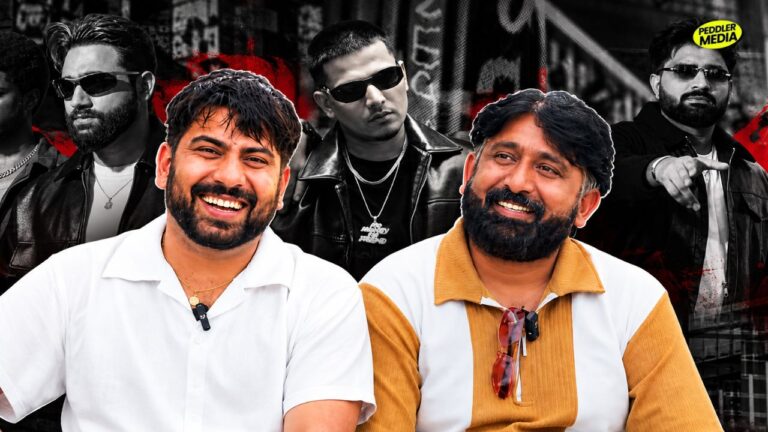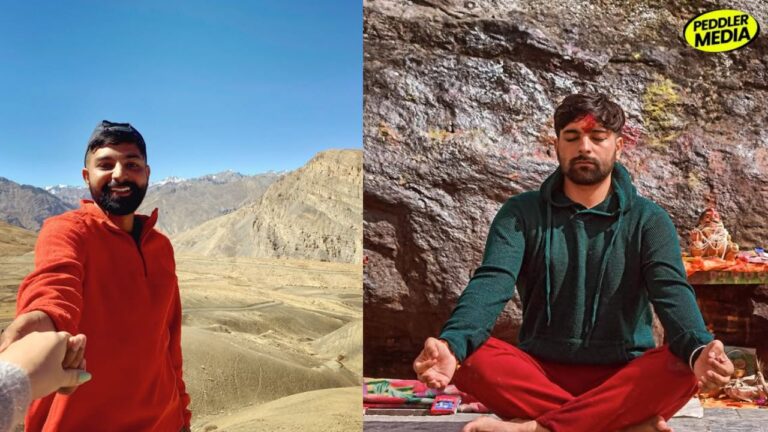
Meet The Wildlife Photographer Who Won’t Bathe For Days. Here’s Why
Vivek Sharma doesn't shower for days when he's shooting in the wild. The Jodhpur-born wildlife photographer breaks down life behind the camera, from Jawai leopards to the truth about staged documentary shots.
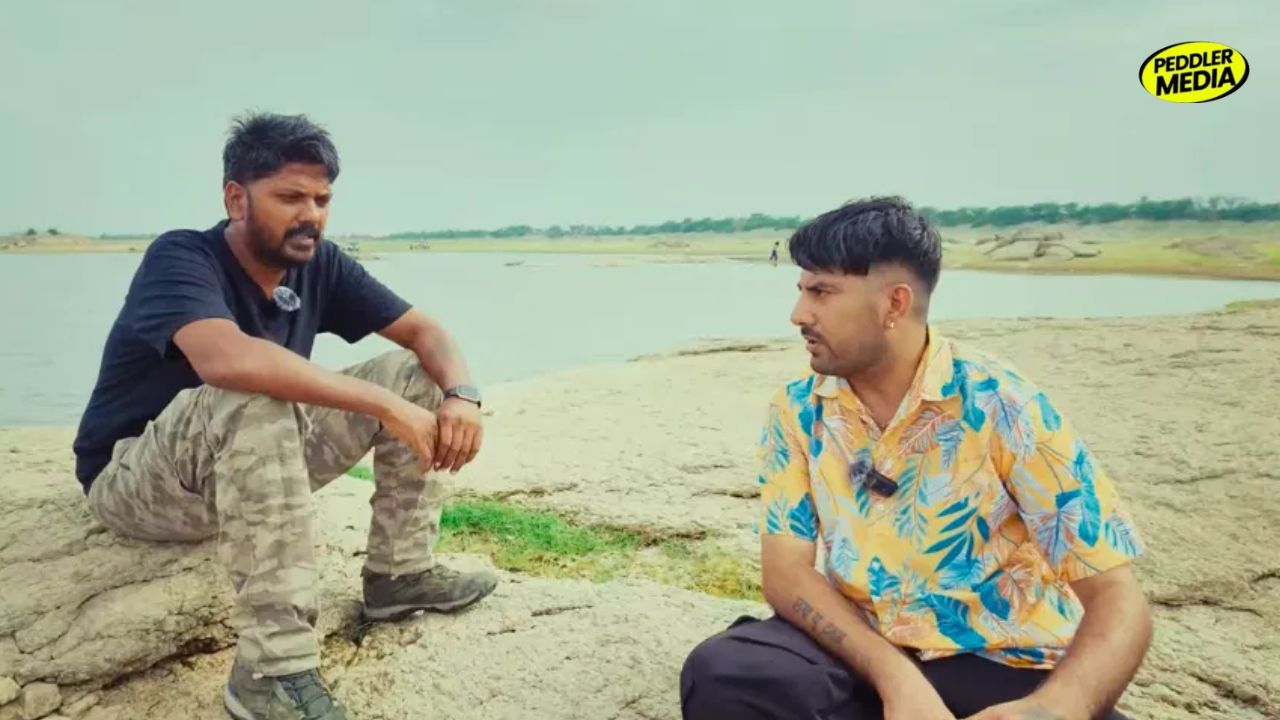
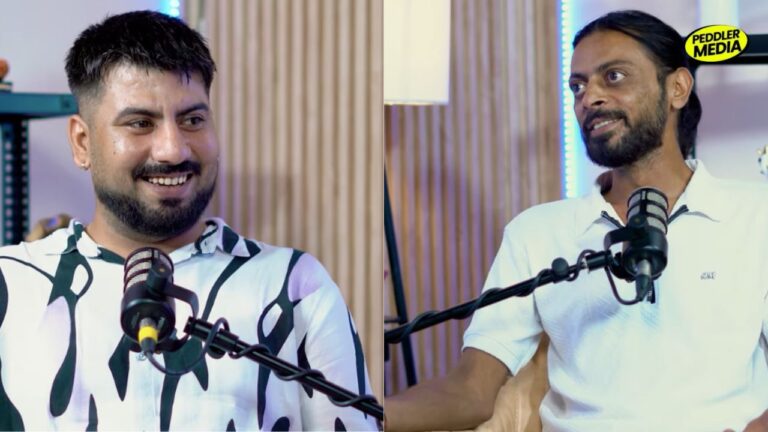
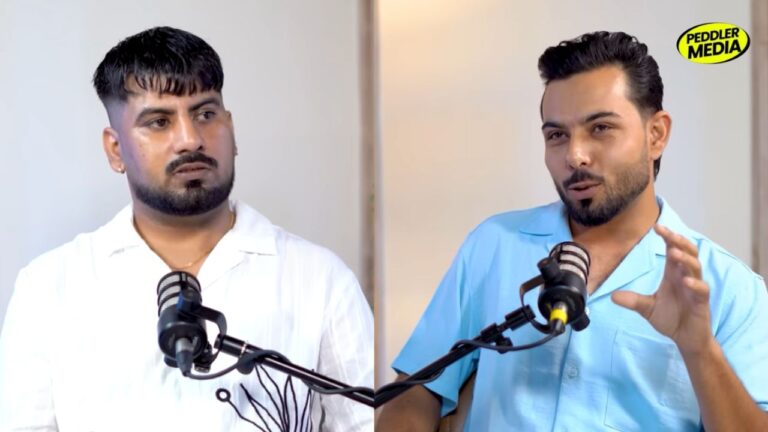
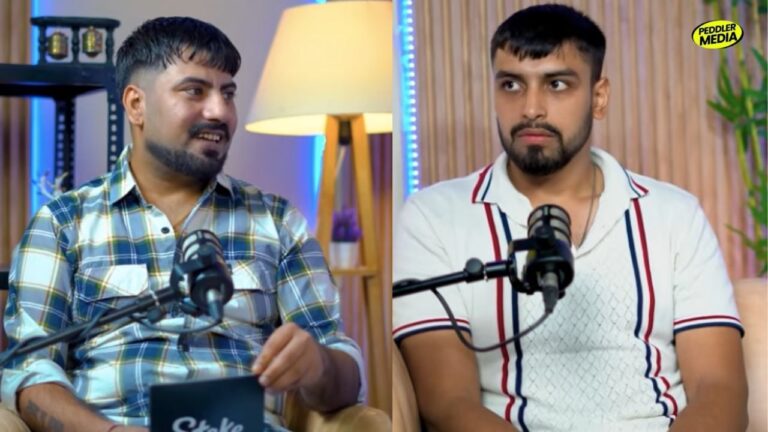
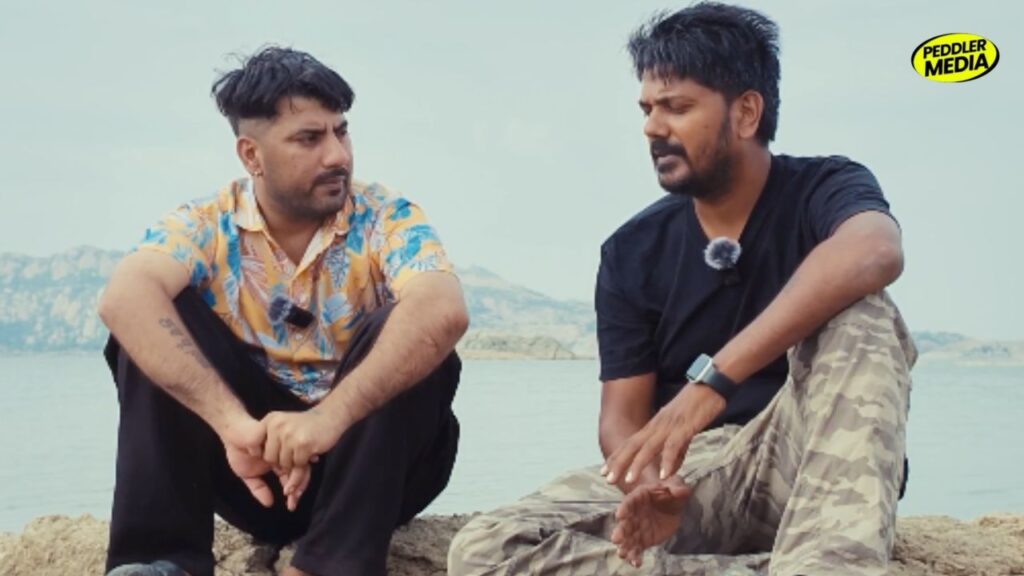
In our latest Peddler Unfiltered episode, we sat down with Vivek Sharma, a wildlife photographer originally from Jodhpur, at his farmhouse in Jawai, Sirohi, for a conversation that went way beyond the usual “how did you start” small talk. Vivek is self-taught and has spent years learning to disappear into the forest, literally.
He told us he sometimes doesn’t shower for three or four days straight when he’s out shooting. The reason isn’t laziness, it’s strategy. Animals have an extremely sensitive sense of smell, and any trace of soap or shampoo can spook them before he even gets a shot.
From Pet Store Fish To Scorpions And Snakes
Vivek’s love for animals didn’t start with a camera. As a kid in Jodhpur, he kept everything from pigeons and rabbits to turtles from local pet stores. That curiosity grew into something bigger once he moved to Pune for college, where he started keeping snakes, tarantulas, and even scorpions. It’s this early fascination that eventually shaped him into the wildlife photographer he is today.
Somewhere along the way, he began rescuing injured animals too. He still keeps a rescue kit with gloves and medical supplies in his car, just in case he spots something hurt on the road.
The Camera That Doubled As His Home
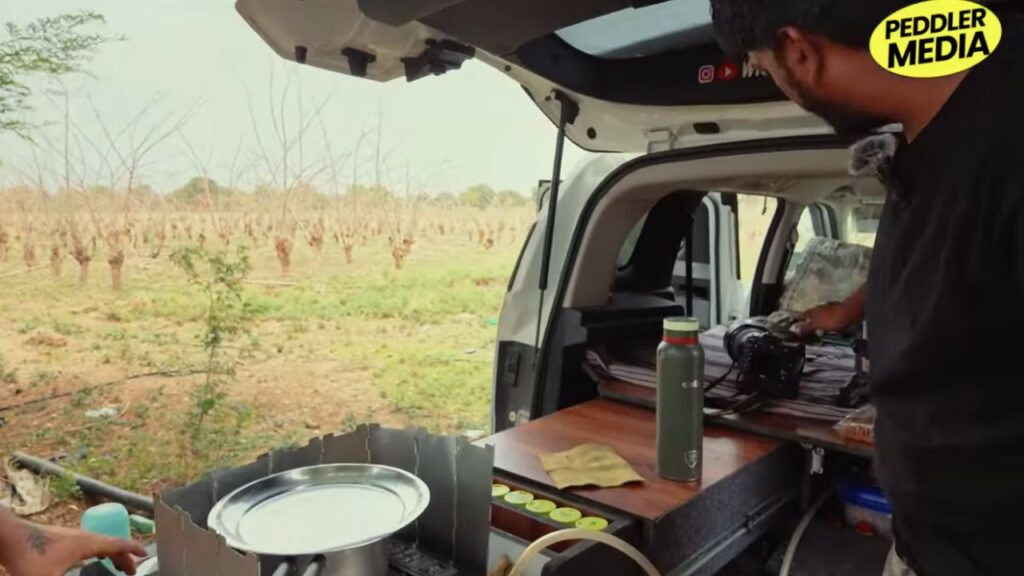
Vivek’s Tata Sierra isn’t just a vehicle, it’s a full mobile setup with a kitchen and a bed built into it. He uses it to camp deep inside forests for days at a stretch, sometimes waiting six or seven hours in one spot without getting a single usable shot.
His most patience-testing shoot was a squirrel. He spent nearly six hours crouched in a thorny bush, barely able to move, just to get the animal comfortable enough to sit calmly in front of him.
Also Read:- Journalist Mandeep Punia Speaks Straight — On Media, Gangsters, and today’s Reality
Why Real Wildlife Photographers Rarely Get Credit
One of the more eye-opening parts of the conversation was about how big production houses actually work. Vivek explained that international wildlife documentaries often split shoots across countries, assigning different photographers to capture the same species in different regions, then editing it all together as one seamless sequence.
The catch is that the photographer who actually shot the footage often doesn’t get credited unless they’ve already built a name for themselves. Vivek said he understood this going in, since he was new to the industry at the time, and the trade-off was payment without recognition.
The Truth About Those Dramatic Documentary Shots
Vivek didn’t hold back when we asked how popular wildlife channels get those impossibly close snake bite or predator shots. According to him, a lot of it involves controlled setups, placing a mouse near a snake in a built environment, or repeating a shot ten times until the bite finally lands on camera.
He also shared a trick used around Jawai to lure leopards out of caves using goat sounds played from car stereos. He was quick to call this practice questionable, since leopards eventually catch on and it can end up stressing the animal instead.
Also Read:- This Ambala Girl Started a Cafe in Class 10, Now Makes Rs 1.2 Crore Revenue Annually
Does Wildlife Photography Actually Pay In India
As a wildlife photographer himself, Vivek was refreshingly honest here. He said almost nobody makes a living purely from wildlife photography in India, maybe two or three people at most. The ones who do make money usually monetize through trips, workshops, and guided tours rather than selling photos directly.
That’s part of why he’s shifted focus toward documentary filmmaking, including a personal project covering the entire Western Ghats from Gujarat to Kanyakumari, spanning mammals, birds, snakes, and tribal communities living deep inside the forest.
For anyone looking to build a network in this space, Vivek pointed us to the Global Wildlife Fair in New Delhi, an annual event bringing together photographers, conservationists, and tour operators from across the country.
His Advice For Anyone Starting Out
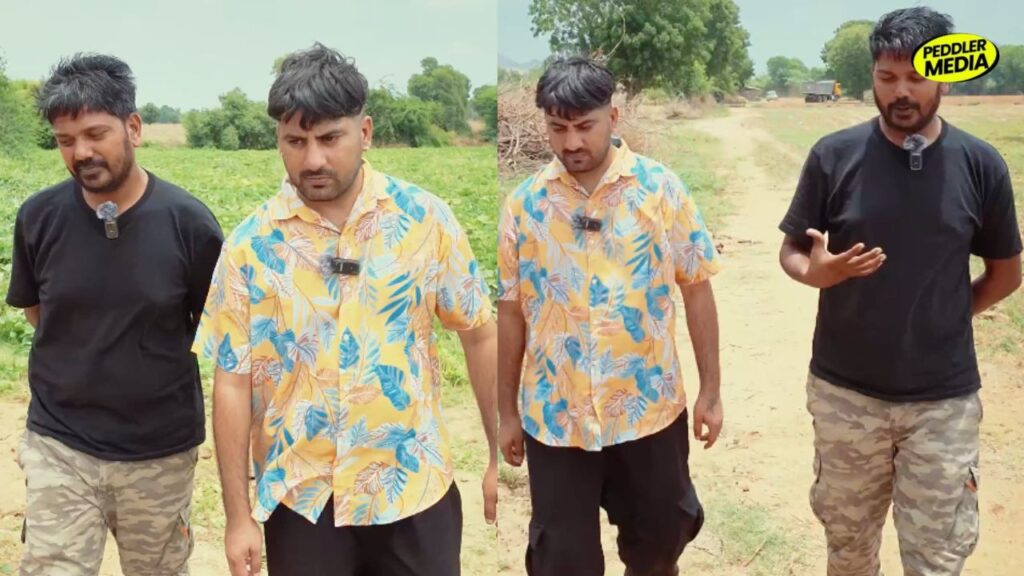
Vivek’s message for any aspiring wildlife photographer was simple: stop waiting for expensive gear. Start with whatever you have, even a phone, and shoot the animals in your own backyard. He believes the real skill of understanding animal behaviour only comes from doing it yourself, not from watching others do it.
He wrapped up the conversation inviting our audience to Jawai for raw, no-frills camping at his farmhouse, cooking your own food, bathing at the pond, and spotting leopards in their natural habitat.
If Vivek’s Jawai stories made you want to see it for yourself, you can book your stay through Camp Stays India and experience Jawai the way Vivek does, raw, unfiltered, and close to the wild.
Watch the full conversation on Peddler Media’s YouTube channel to catch everything that didn’t make it into this article, and follow us for more unfiltered stories like this one.
Follow Peddler Media For More Updates | Instagram | Facebook | Youtube | Pinterest
Feature Your Story With Us
If you or someone you know from Haryana wants their business or startup story featured, submit it to Peddler Media. Submit your story here