Beyond Views: How Vikram Malik Changed the Haryanvi Music Scene
Most people know Vikram Malik from Kala Dora. The song that made Haryana stop and actually listen.

But before Kala Dora, before the films, before the web series — there was a young boy from a village in Jind who had decided he was going to become an actor. With no money, no industry connections, and a family that had no idea how that was supposed to happen.
He went anyway. And what came next is one of the most honest stories to come out of Haryana’s entertainment world.
The Boy Who Could Not Sit Still in Class
Vikram Malik grew up knowing he was different from other students — not in an obvious way, but in the way that matters. While others sat quietly in class, he was the one telling jokes, singing at Bal Sabha, banging on the desk during Republic Day programs. The school stages were small. But he filled every one of them.
He had no plan for this. No roadmap for how a boy from a Jind village makes it as an actor. But the feeling inside him was clear — this is what he wanted to do.
When he got to RKSD College Kaithal for graduation, he saw a notice board. Auditions for a theatre play. He stopped. He went in. He got selected. And when the theatre director told him there was a whole world of theatre groups, rehearsals, live shows and proper training waiting outside — Vikram Malik made a decision that changed everything. He went home and told his family he was going to Kurukshetra to become an actor.
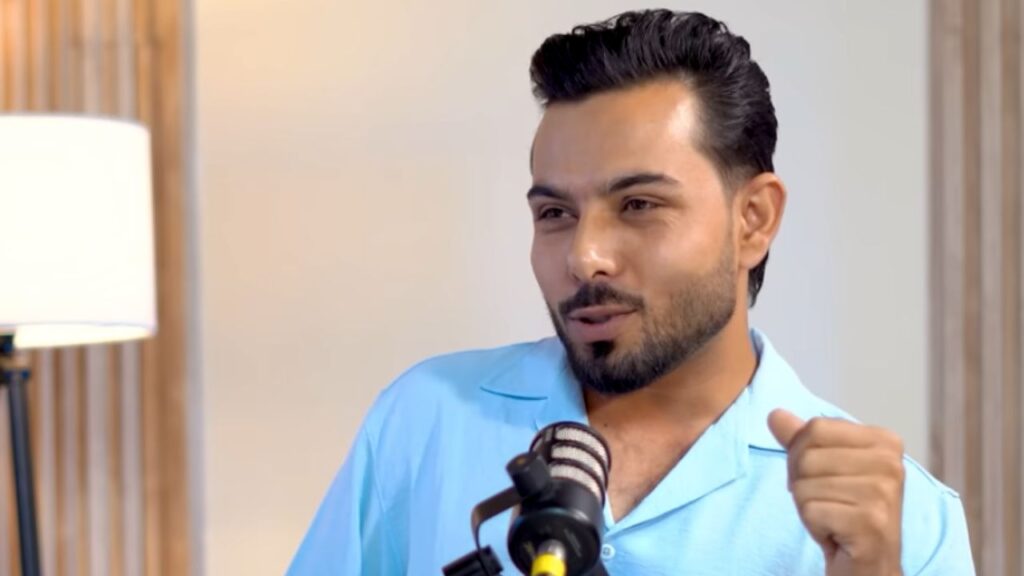
Six Years in Dharamshalas
His family did not fully understand. His mother was not well-educated. They had no reference point for what “becoming an actor” even meant in Haryana in 2012 — because there was no Haryanvi cinema yet.

But Vikram Malik left anyway. And for six years — from 2012 to 2018 — he lived in dharamshalas across Haryana and Delhi, doing theatre.
The math of those years is something most people would not survive. He took ₹1,000 a month from home. Dharamshala rent was ₹1,000. That left him with nothing for the remaining 29 days of the month. He did this for four years.
Vikram Malik worked with directors who had graduated from NSD, FTII Hyderabad, FTII Pune. He did theatre in almost every major city in Haryana. He performed in front of live audiences in auditoriums and open-air theatres with proper lighting and sets.
He read Shakespeare. He read India’s most famous writers. He trained himself to be a real actor — not just someone who could perform, but someone who understood what he was doing and why. Most people would have come home after six months. Vikram Malik gave it six years.
The Songs That Were Never About Fame
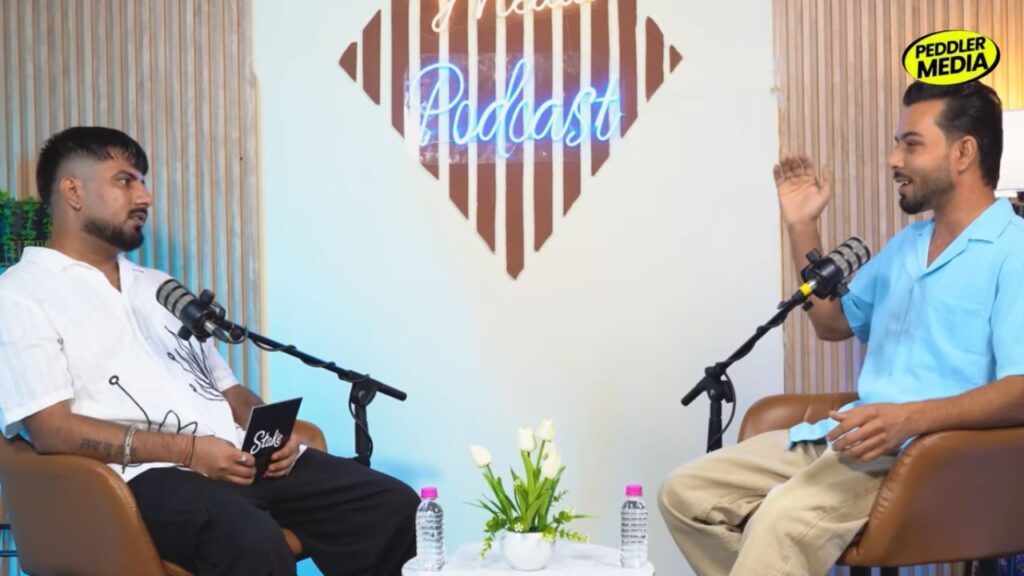
Around 2015, Vikram Malik started making music. But not in the way most Haryanvi singers approach the industry.
He was frustrated. He found the songs being made around him hollow — content that said nothing, meant nothing, existed only to get views. So he made his own songs. Once a year, sometimes twice. Songs that had something to say.
Barkaat came out in 2016-17 — a song about farmers and the reality of agricultural life in Haryana. Not the romanticised version. The real version — where crops fail, where money does not come, where a middle-class family in Haryana is not the image people imagine but something much more vulnerable. The song reached farmer rallies. Chandrawal ji — a legendary figure in Haryanvi folk — called him personally.
Then came Splendor — a song about a boy whose father is not an officer, whose house is not on the main road, whose car is not black and whose home is not on the corner. Just a Splendor bike and hope.
“Na mera babu afsar, na maare kile road pe, na maari gaadi kaali, na kothi oonchi mod pe — Splendor se saat model kapda maar chala.”
That song went to 4 million views on YouTube with zero advertising, zero promotion, zero industry support. Just the song. And people who recognised themselves in it.
Dada Lakhmi Chand Audition — A Dream That Broke and Rebuilt
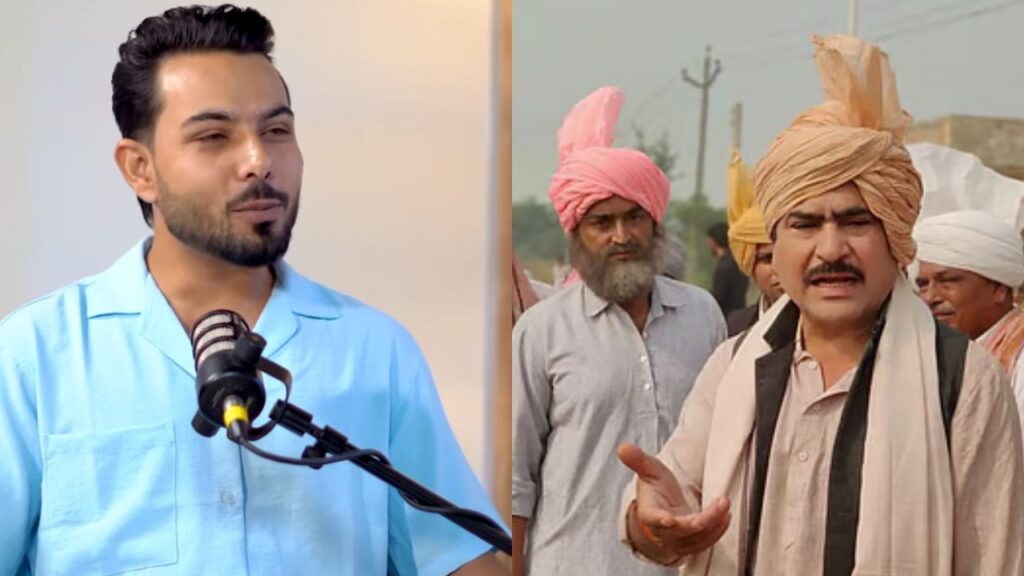
In 2015, Vikram Malik saw a Facebook post. A film was being made on Pandit Lakhmi Chand — Haryana’s greatest folk poet. Director Yashpal Sharma was looking for actors.
Vikram Malik could not sleep that night. He knew — with complete certainty — that he was the one who should play Lakhmi Chand. He was an actor. He could sing. He had done folk performances. He had studied theatre properly. He had everything the role needed.
The auditions ran for a year. Over a thousand people auditioned. Five were shortlisted for the young Lakhmi Chand role. Vikram Malik was one of them. They were called to Rohtak Film Institute and given a full day of auditions together.
And then Yashpal Sharma told him — he would not be playing Lakhmi Chand.
Vikram asked one question before leaving. He told the director he would be a spot boy on the film if needed — but he wanted to know why. Why not him?
Yashpal Sharma’s answer was honest: every director has a fixed picture in their mind of what their character looks like. That specific image is what they need on screen. It had nothing to do with talent.
“Nawazuddin hota teri jagah to uska bhi selection nahi hota. Tu bahut tagda actor hai.”
Two days later — the phone rang. A different character. Lakhmi Chand’s only friend, Shankar. The man who goes into the fields to bring Lakhmi Chand back when he wants to give up singing forever.
Three dialogues in the script. One scene. Vikram made it the most remembered moment of the shoot. The crowd at the Sirsa night shoot gave him a standing ovation. Yashpal Sharma told him on the spot that he had become his favourite actor. He says that to this day.
Kala Dora — When He Finally Became a Singer
For years, Vikram Malik refused to call himself a singer. He was an actor who also made music. That was the distinction he held onto.
Then Kala Dora came out. And something shifted.
“Kaala sa dhaaga ri maaye, ghati pe raaj kare se. Ferr ne fail ri maaye, uski awaaz kare se.”
The response was different from anything before. Not just views. Real people — real reactions. Artists across Haryana who had ignored his earlier work started calling. Barkaat and Marjaani — songs from years earlier — started being quoted back to him at events.
Vikram Malik realised then that he had enough voice to do this properly. Not as a side project of an actor. As an artist who brings everything he has learned — theatre, literature, real life, farmer roots — into songs that actually mean something.
What He Believes About Haryana’s Artists
Vikram Malik said something in the podcast that most people would not say publicly.
He believes Haryanvi artists carry a responsibility they are not taking seriously enough. When lakhs of 15 to 25-year-olds follow an artist — they follow everything. The way they talk. The way they carry themselves. The things they say about violence and aggression.
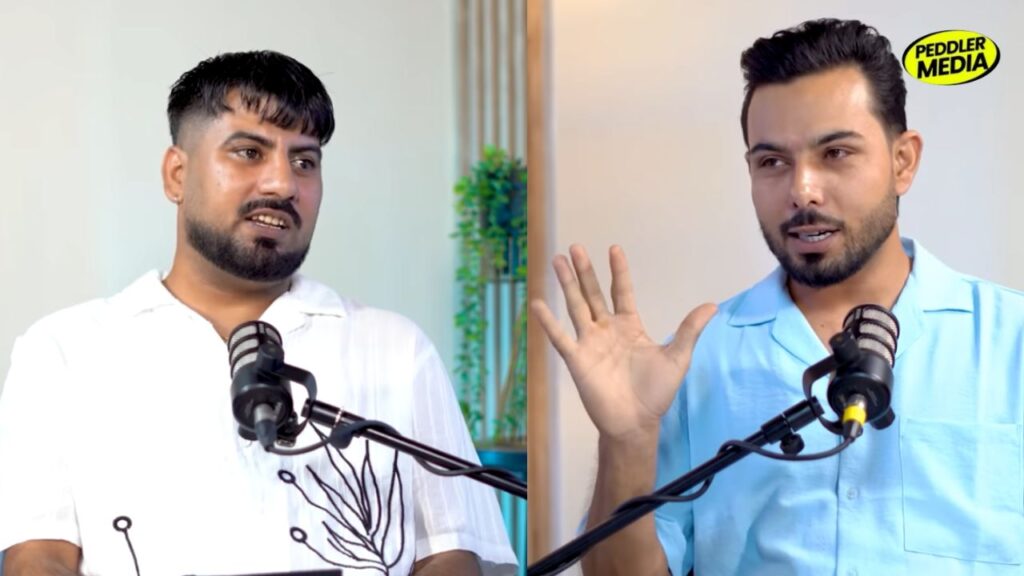
He pointed to South Indian artists who walk out of action films where they play invincible heroes — and then speak quietly and sensibly in real life. Who wear simple clothes. Who tell their audiences to study, to respect their parents, to build their lives.
He is not asking every Haryanvi artist to become a social worker. He is asking them to be honest — to understand that the young audience watching them is learning from every word, every interview, every public moment. And that what they put out there has a real cost.
“Ek artist ko lakhon log follow karte hain. Uski zimmedari banti hai.”
What Is Coming Next
Vikram Malik has songs ready. Films in progress. A Punjabi web series with a lead-parallel Haryanvi character. A film he has been building with his director and childhood friend Mohan Betaab — the same person he met in Kurukshetra in 2012 and has worked with ever since.
He wants to make a film that makes Bollywood sit up and take notice. That makes South India say — something real came out of Haryana.
And if you have spent any time with his story — you already know he is not the kind of person who says things like that without meaning them.
A Note From Peddler Media
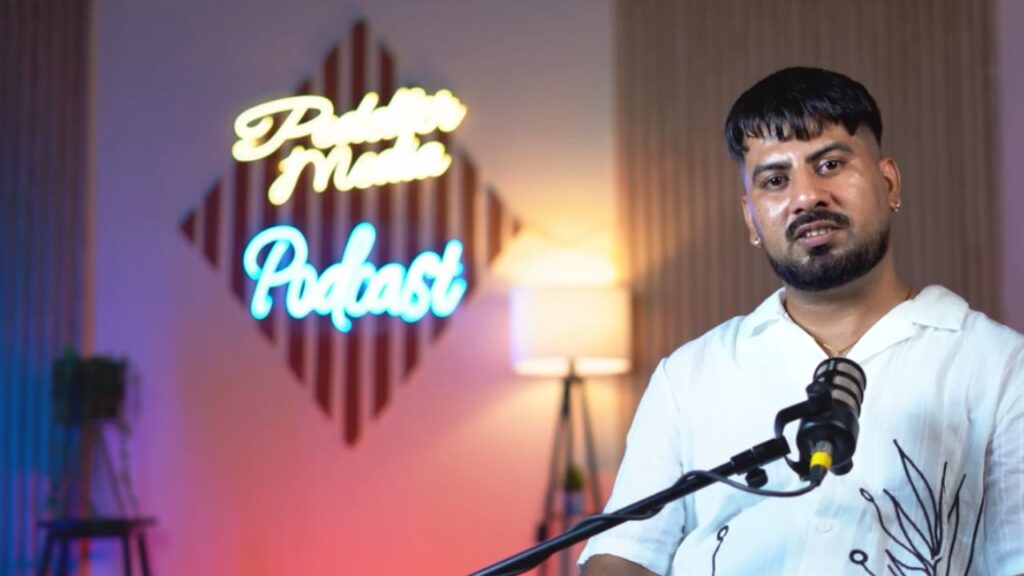
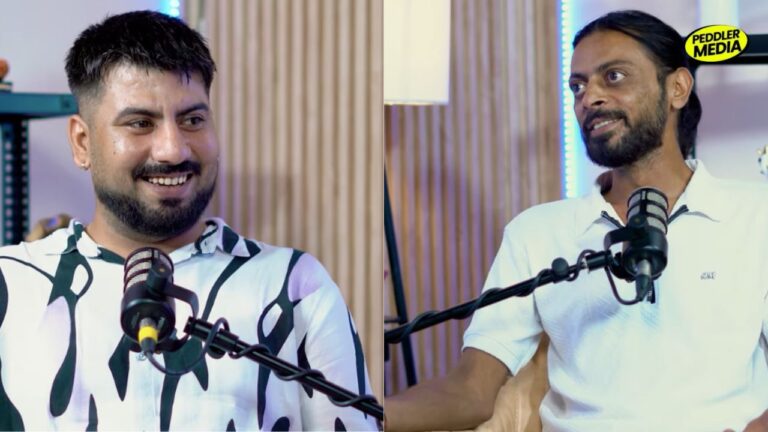
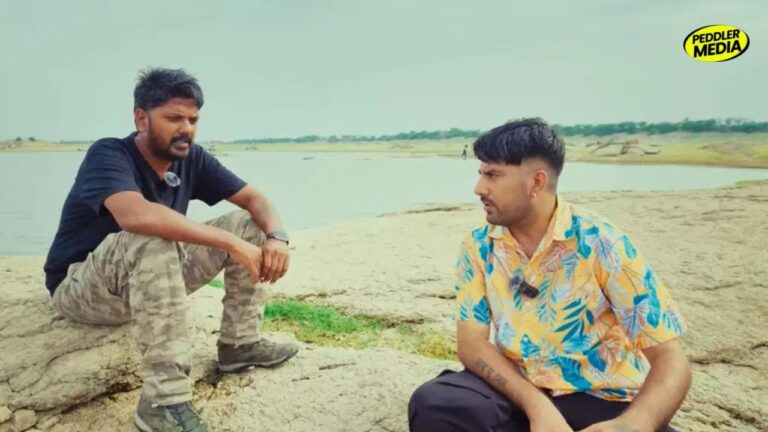
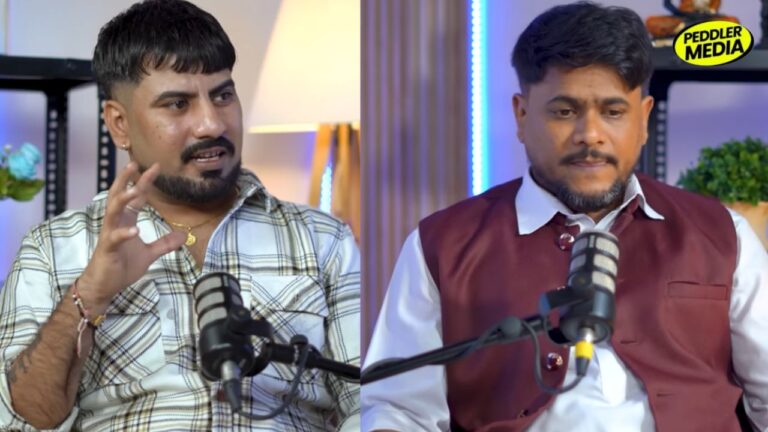
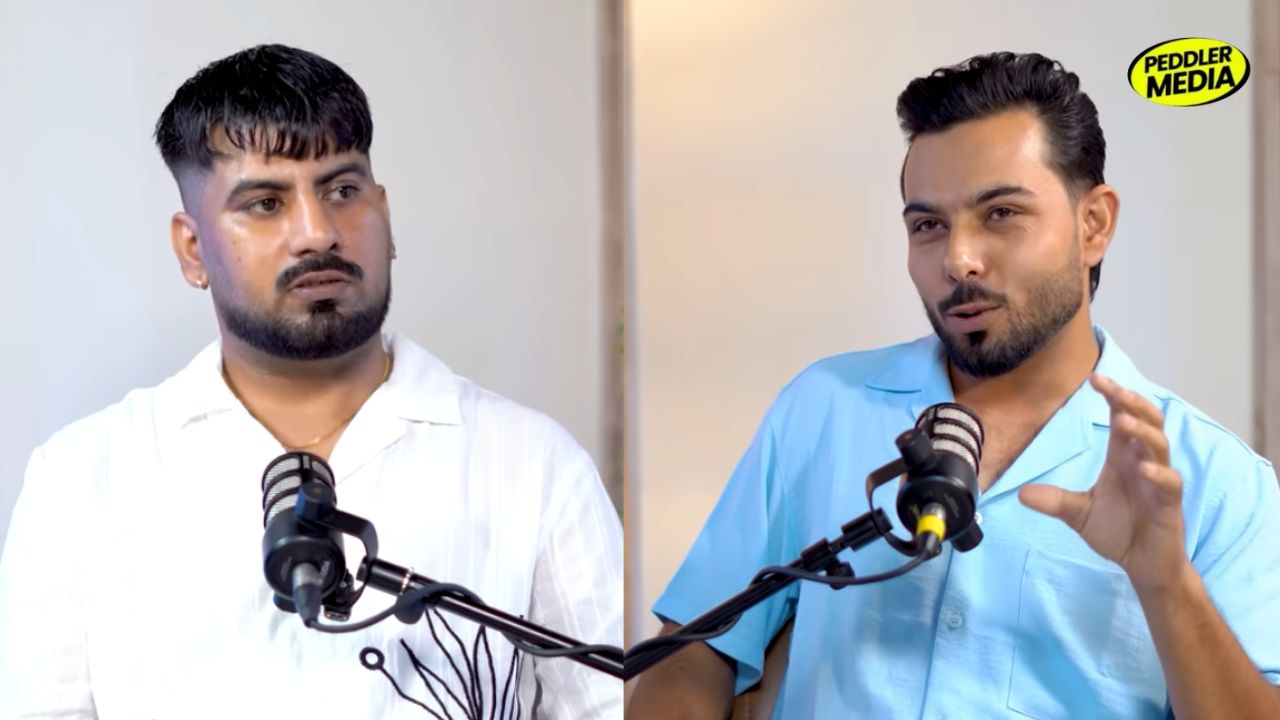
We recorded this conversation in October 2025 — before Kala Dora had reached the massive scale it has today. Vikram Malik came to the Peddler Media stage not as a celebrity but as an artist who had something honest to say about his journey, his art, and the future of Haryana’s cultural voice.
He didn’t just share a timeline of his career; he offered a raw blueprint of what it takes to protect your artistic integrity when the world around you is chasing quick metrics. At a time when digital success is often measured in fleeting views, Vikram Malik remains a reminder that content with a pulse, rooted in real experiences, will always find its people.
Watch the full episode of For Haryanvi By Haryanvi on the official Peddler Media YouTube Channel and stay tuned to our website for more untold stories from the roots of India
Follow Peddler Media For More Updates | Instagram | Facebook | Youtube | Pinterest