Ghost in the Middle of the Village: The Slow Death of Haryana’s Chaupal Culture
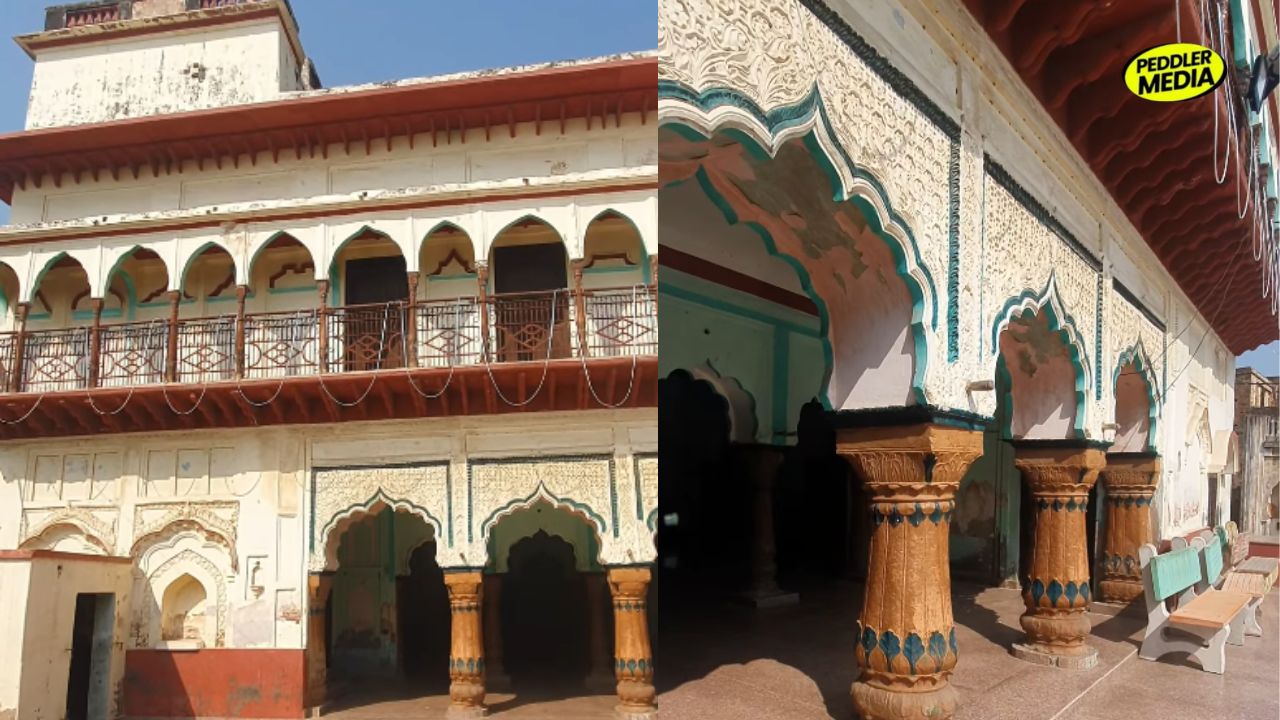
Walk into any Haryana village today, and you will see grand, multi-story concrete houses. The streets are paved. There are cars parked outside gates. On paper, the village is progressing. But if you walk to the center of the neighborhood—the Pana—you will find a different story.
There, standing in silence, is the old Haryana Chaupal Culture.
Its walls are cracked. Overgrown grass peeks through the brickwork. Dust settles heavily on the empty wooden benches where village elders once sat for hours. Today, when you look at a Chaupal, it does not look like a building. It looks like an old family home whose children have abandoned it. It looks like a house standing without its family, slowly dying in loneliness.
More Than Bricks: The Parliament and Café of the Village
To understand what we are losing, we must understand what the Chaupal used to be. It was not just a structure of bricks and mortar. It was the beating heart of the community.
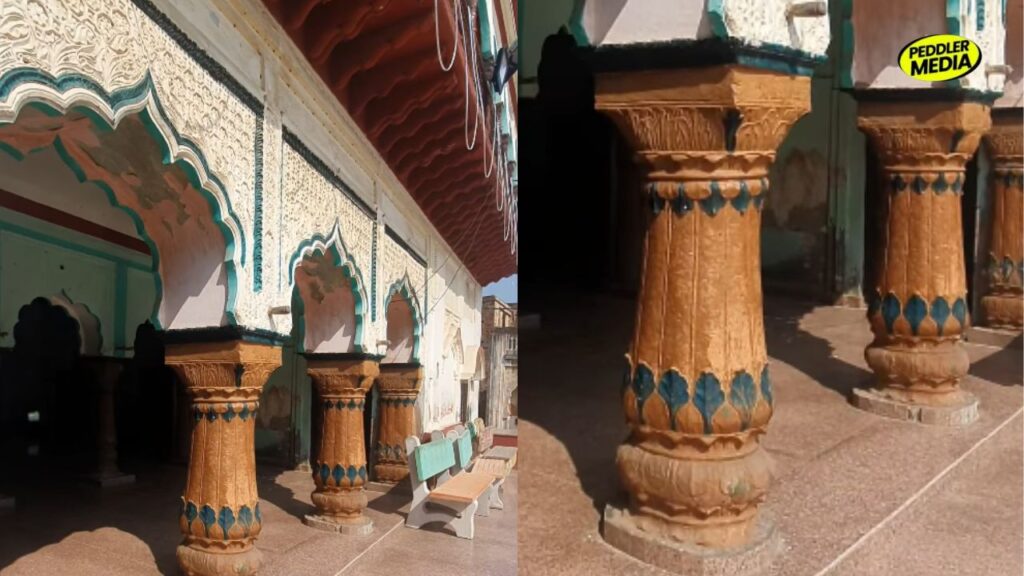
Haryana’s villages were traditionally divided into smaller neighborhoods called Panas. Each Pana had its own Chaupal. It was a space built not by the government, but by the people. Villagers pooled their own money, hired the finest local artisans, and carved beautiful designs into wooden pillars. The Chaupal was a matter of Izzat (pride). If a Pana had a grand, beautifully crafted Chaupal, it meant the people of that neighborhood were united, strong, and prosperous.
Haryana Chaupal Culture wore many hats.
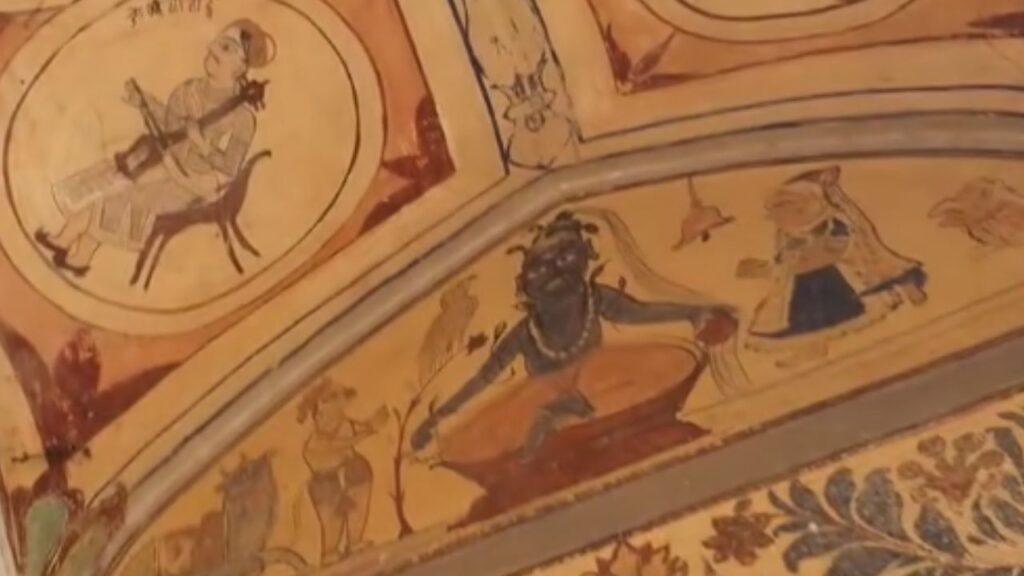
During the day, it was the village parliament and court. If there was a dispute between neighbors, it was settled right there under the shade of the Chaupal. People did not rush to the police station or hire expensive lawyers. The community elders sat together, listened, and delivered justice. If the village needed a new well or a school, the plans were drawn at the Chaupal.
Do You Know:- Haryanvi Is Not Just a Dialect — It’s a 3000-Year-Old Language
In the evening, the Chaupal transformed into a vibrant, free café. Farmers returning from the fields, labourers, and landlords would gather. The rhythmic gur-gur bubbling of the shared Hookah filled the air, alongside loud laughter, friendly political debates, and the sharp sound of cards (tash) being shuffled. It was a democratic space. Rich or poor, everyone sat on the same level.
The Rise of the ‘Self’ and the Death of the Community
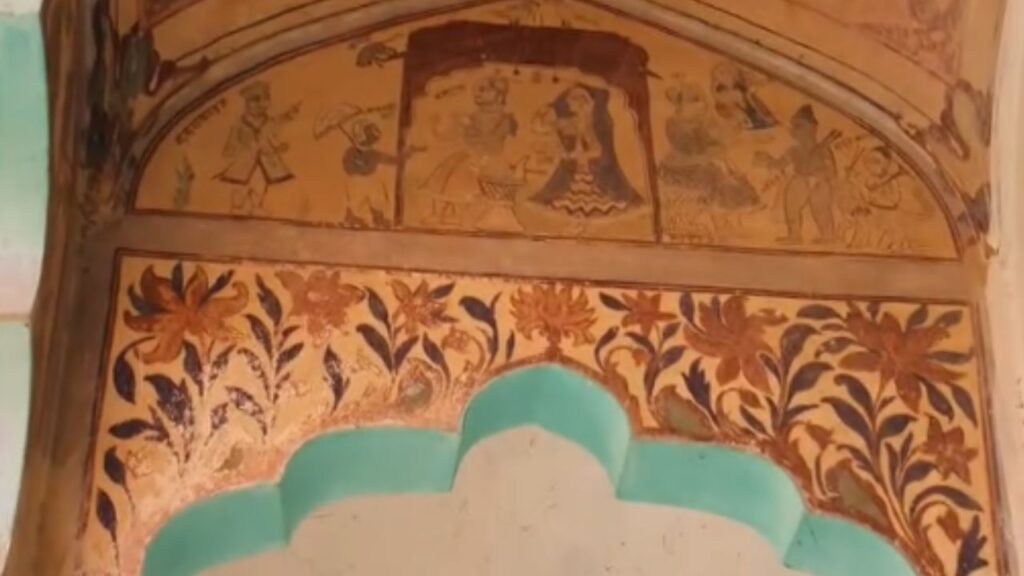
Today, that vibrant social culture is gone. The lively sounds have been replaced by an eerie, uncomfortable silence. What happened to us?
We have been caught by the ghost of individualism. The modern world has brought a strange obsession with “self-life.” In our race to copy the West, we have locked ourselves inside our own homes.
Also Read:- Nobody Talks About How Different Urban and Rural Haryana Actually Are
The definition of Izzat has changed. Today, a man’s pride is no longer tied to how beautiful his community’s Chaupal is. Instead, it is about how big his personal house is, how high his walls are, and how expensive his car is. We are spending millions to build massive individual fortresses, while the shared space that kept us together is rotting away.
Technology has completed this isolation. The evening Chaupal was a free space for connection. Now, that café has been replaced by the smartphone screen. Young men sit in separate rooms, scrolling through reels, entirely disconnected from the person living next door.
The Lonely Elders of a Changing Haryana Chaupal Culture
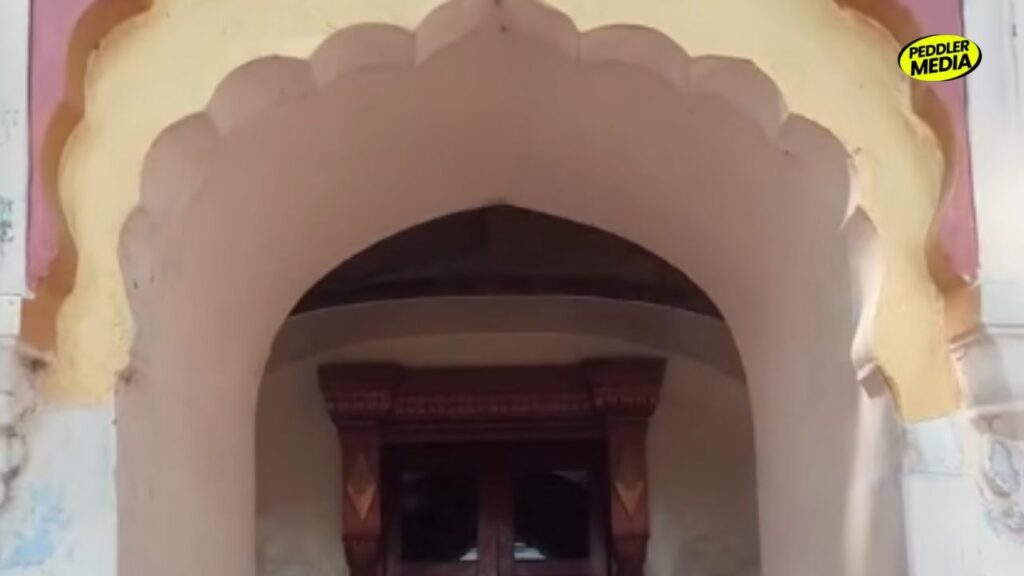
The saddest casualty of this shift is our elders. In the old days, the Chaupal kept our grandfathers active, respected, and involved. They were the keepers of justice and wisdom.
Today, nobody goes to the Chaupal. Everyone stays inside. With the death of the Chaupal, our elders have lost their social life. They sit in the corners of these newly built, massive concrete houses, ignored and lonely. The deep respect they once commanded at the center of the village has faded away.
We pretend to be together. We meet at grand weddings and show off our wealth. But it is all a show. The genuine, raw, everyday togetherness of Haryana is gone.
Also Read:- These 8 Hidden Haryanvi Festivals Are The Real Cultural Gold
A Loss We Cannot Undo
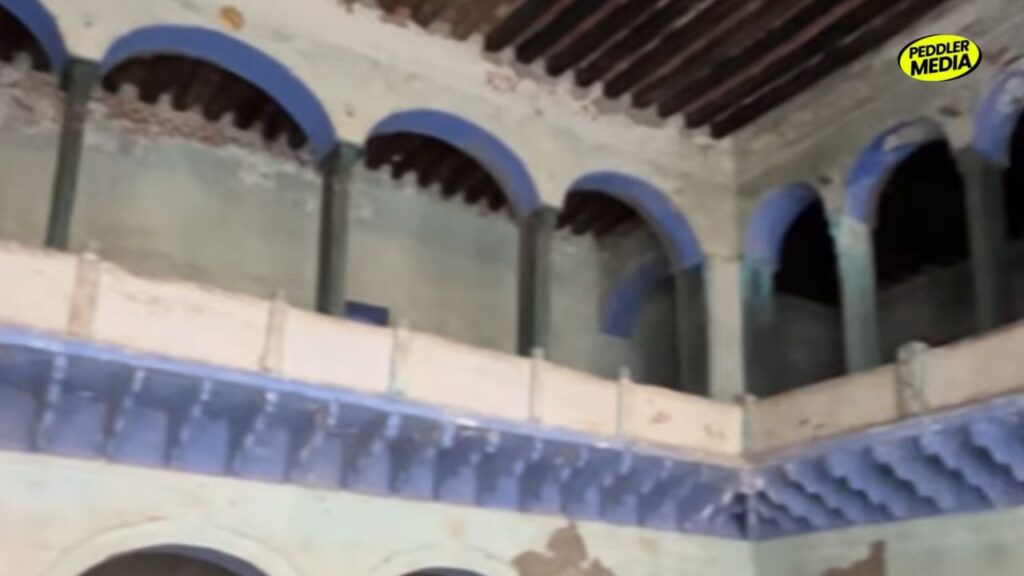
As the walls of the ancient Chaupals crumble and the grass grows higher over their foundations, we must ask ourselves: Is this true progress?
We have bigger houses, but smaller hearts. We have digital connectivity, but total social isolation. Haryana is growing richer, but our villages are losing their soul. Every time a village Chaupal dies, a piece of our history, our art, and our brotherhood dies with it. And the tragedy is, we are all watching it happen from behind our closed, modern doors.
A Wake-Up Call: Let’s Not Let the Fire Die
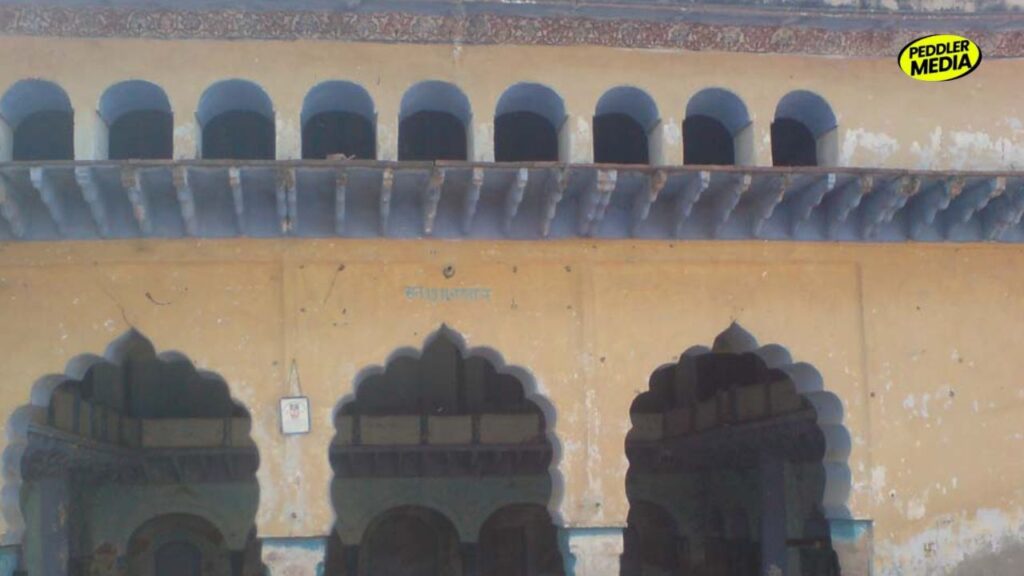
We cannot let our history fade into silence. Progress should not mean forgetting who we are. The concrete walls of our new houses cannot protect us if the foundation of our brotherhood is destroyed. It is time to look back at the spaces that made us a community.
Next time you visit your village, don’t just stay behind closed doors. Walk down to your Pana’s Chaupal. Look at the old carvings. Sit on the empty benches. Talk to the lonely elder sitting there with his memories. Let them know they are not forgotten.
Join the Peddler Media Initiative: #MyVillageChaupal
We want to document and save the face of Haryana’s true soul before it disappears forever. We invite you to be a part of this movement:
- Step Out: Visit your neighborhood Chaupal this weekend.
- Capture the Heritage: Take a picture of its architecture, its cracked walls, its ancient pillars, or the elders who still hold onto it.
- Share the Story: Post it on Instagram, Twitter, or Facebook. Tag @peddlermedia and use the hashtag #MyVillageChaupal. Tell us the name of your village and what that space means to you.
Let’s build a digital museum of Haryana’s pride. Let’s show the world that while our lifestyle is changing, our roots are still alive. Don’t let your village’s identity turn into a ghost. Step out, tag us, and let’s start the conversation.
- You think “Concert Culture” is a Western thing? Haryana did 100 years ago.

- Haryana’s 2,000-Year-Old Buddhist Secret That Your History Books Forgot to Tell You!
- Beyond Dahi Handi: 5 Haryanvi Janmashtami Rituals You’ve Probably Never Heard Of



Haryana Chaupal Culture Frequently Asked Questions
What is a Chaupal in Haryana?
A Chaupal is a traditional community gathering space built by the people of a village neighborhood called a Pana. It served as a court, a planning space, and an evening meeting point for the entire community.
Why are Chaupals dying in Haryana villages?
The shift toward individual lifestyles, private housing culture, and smartphone use has pulled people away from shared community spaces. The Chaupal has slowly emptied out as a result.
Which villages in Haryana still have active Chaupals?
Every village in Haryana still has a Chaupal — but an active one, where people actually gather, is a different story. Districts like Mahendragarh, Nuh, and Jhajjar still have Chaupals with some real community life left in them. In villages closer to cities and highways, most Chaupals exist only as buildings — empty, unused, and slowly falling apart.
Can the Chaupal culture be revived?
Awareness is the first step. Documenting what these spaces looked like, who used them, and what happened there is how we keep the memory alive — and maybe bring some of it back.
What exactly is a ‘Pana’ in a Haryana village?
A Pana is a traditional subdivision or neighborhood within a larger Haryana village. Villages are usually divided into multiple Panas based on family lineages or historical settlement patterns. Each Pana traditionally functions like a close-knit sub-community with its own dedicated Chaupal, shared spaces, and internal social bonding.
Follow Peddler Media For More Updates | Instagram | Facebook | Youtube | Pinterest