These 8 Hidden Haryanvi Festivals Are The Real Cultural Gold
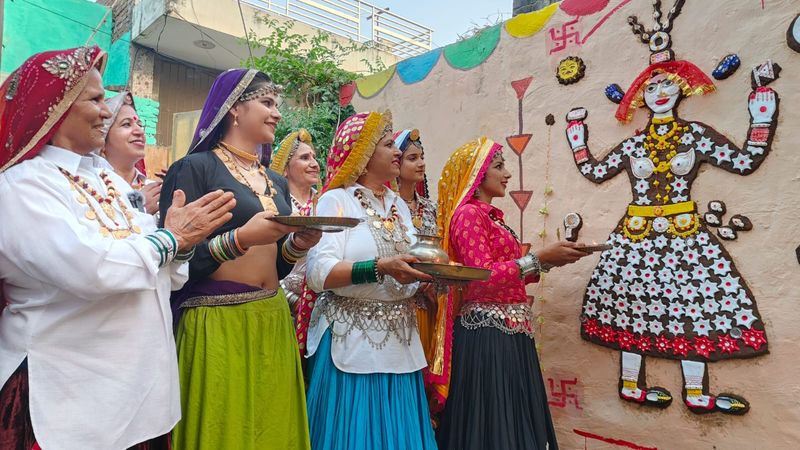
Festivals of Haryana:- Every article you have read about Haryana’s festivals is incomplete. They will mention Surajkund Mela. They will list Baisakhi and Diwali. They will give you the same festivals that every state in North India celebrates — and call it Haryana’s culture.
That is not wrong. But it is not the truth either. Because before you understand Haryana’s festivals, you need to understand one thing about Haryanvi people.
Haryanvi Does Not Celebrate Faith. It Celebrates Life.
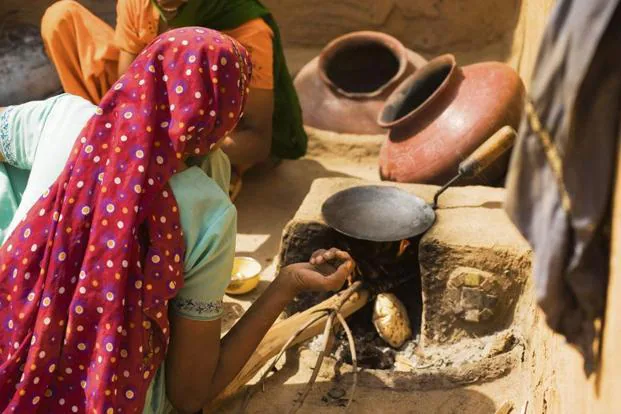
Haryanvi people are not deeply religious in the conventional sense. You will not find elaborate temple rituals in most homes. You will not find loud processions in every village. You will not find people spending hours in prayer. So, What you will find is something older. Something more honest.
Haryana is a practical land. Its people trust what they can see, touch, and harvest. They believe in two things above everything else — the land beneath their feet and the people who walked it before them.
The real festivals of Haryana were never about gods in temples. They were about the mustard crop ripening. The first rain of Sawan. A brother walking to his sister’s village. The full moon arriving every fifteen days like a quiet promise.
These are not religious celebrations. They are life celebrations. And that makes them more real than anything you will find in a tourist brochure.
Here List Of Real Festivals of Haryana
1. Sakraat — January 14
Most of India knows this day as Makar Sankranti. In Haryana, it is Sakraat. And the difference is not just in the name.
There is a saying that runs through every Haryanvi household on this morning — “जो नहीं नहाता, वह __ बनेगा।” Whoever does not bathe early will stay unclean. So before the sun is properly up, the entire family has bathed. No exceptions.
The older generation calls it “चंडाल बाल धोना” — washing away everything impure before the new season begins. But ask any elder why they actually bathe, and they will tell you the truth —
By January 14, the hardest work of the farming is done. Wheat and mustard were sown in November and December. The fields are no longer demanding — just irrigation and fertiliser remain. The farmer has earned his rest.
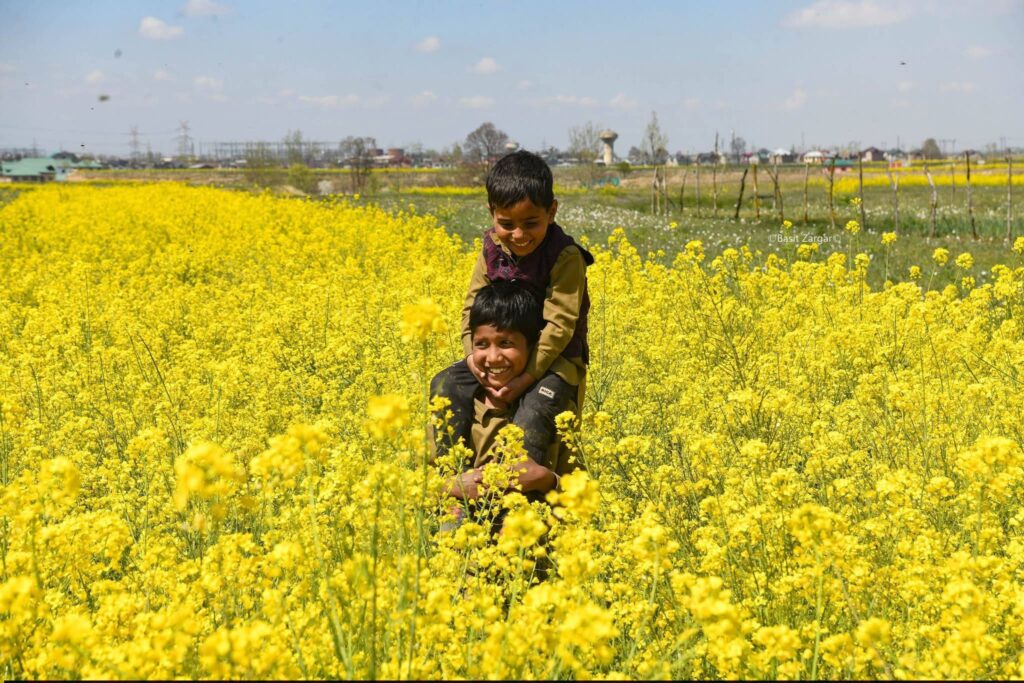
The mustard fields have turned yellow with flowers. The wheat is in its tillering phase — green and full of promise. Sakraat is not a religious holiday. It is a farmer’s exhale.
Weeks of backbreaking sowing are over. The crop is now in the hands of the earth. The family gathers, a fire is lit in front of the house, and moongphali and rewari are distributed — not as religious prasad, but as a celebration of what the earth gave this season.
And as people pass by on the road, they greet each other simply — “Bhai, Sakraat ki Ram Ram.”
There is also a tradition called Manana — where women visit their elderly in-laws, give them clothes or small gifts, and seek their blessings. No priest. No ritual. Just family showing up for family.
2. Basant Panchami — Holi Ka Danda
Basant Panchami is when Haryana plants a stick in the ground and says — the countdown has begun.
Exactly 37 days before Holi, a stick called Holi Ka Danda is planted in the village. It is a marker. A promise that winter is losing and colour is coming.
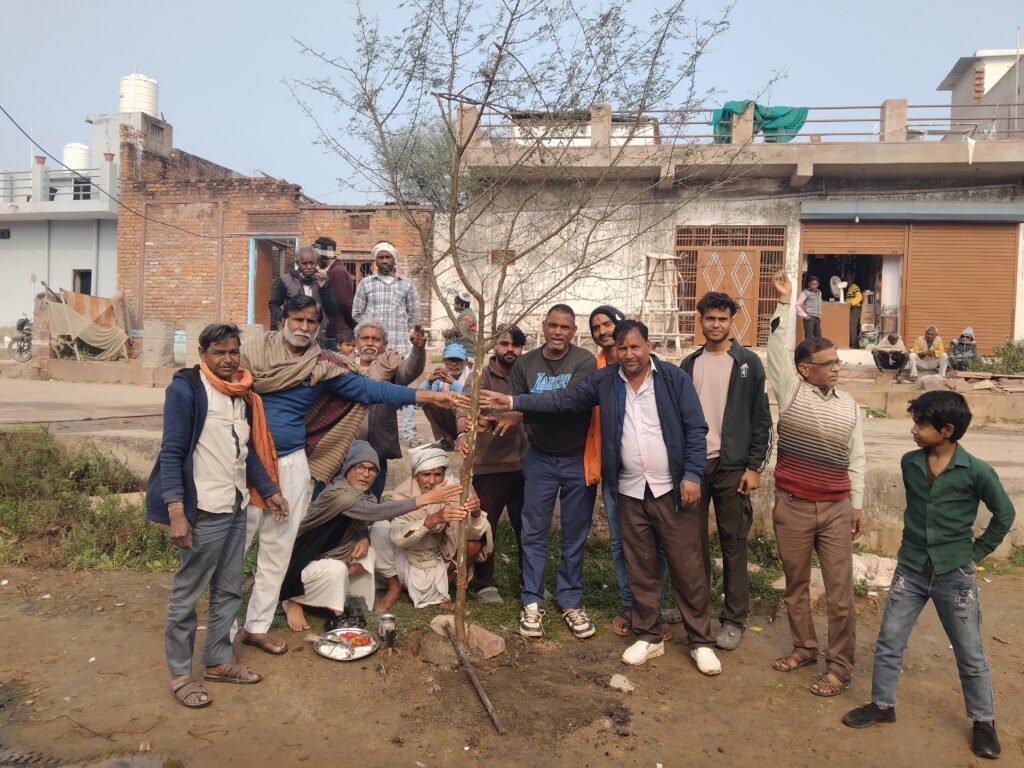
Sunflowers begin to bloom. The mustard fields are at their most golden. For a farming community, this is not poetry — it is information. The crops are speaking. Spring has arrived.
Kites fill the sky on this day. Not as a religious ritual. Just as pure joy.
3. Phag — Haryana’s Own Holi
Forget what you know about Holi. Phag is what actually happens in Haryanvi villages.
The tradition centres around Devar and Bhabhi — brother-in-law and sister-in-law. The Bhabhi makes a Kolda — a rope twisted from cloth, like a light whip. The Devar carries a Dhanda — a stick to defend himself.
The Bhabhi chases. The Devar runs. The whole village watches and laughs.
Read More :- Top 10 Haryanvi Female Creators Who Are Ruling Instagram in 2026
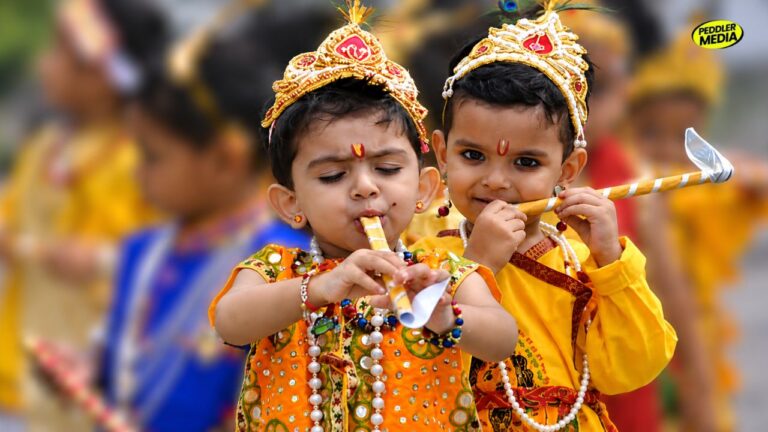
It is connected to the story of Krishna playing Holi with the Gopis in Gokul — but Haryana has made it entirely its own. Every village has its own version. Some gentle. Some completely wild.
There is no stage. Street is the stage. Every family is the cast. Every neighbourhood is the audience.
4. Teej — Sawan Festivals of Haryana
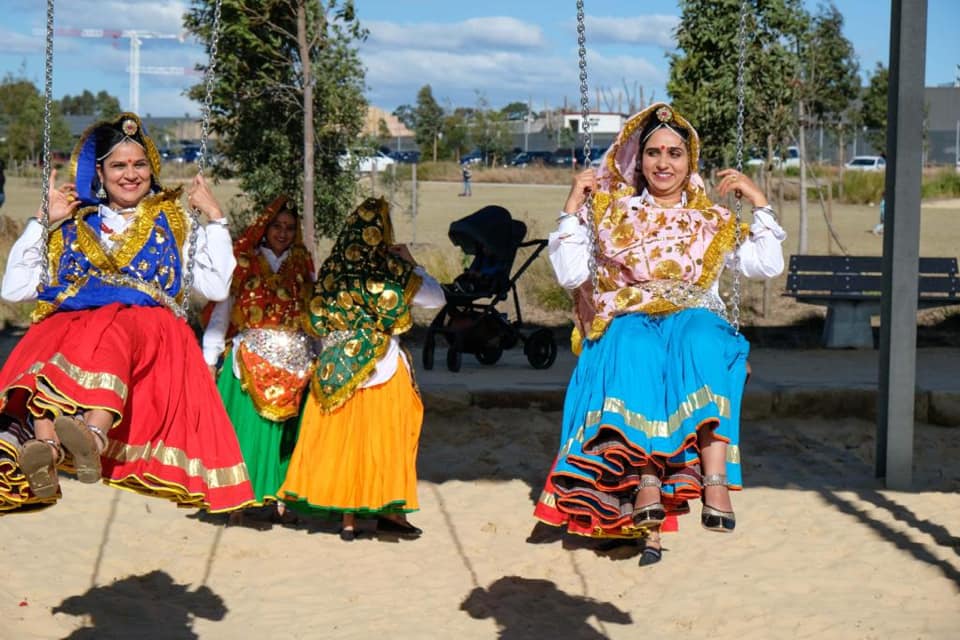
Teej arrives with the first rains of Sawan. It is named after a small red insect that appears from the soil after the first shower — nature itself announcing the season has changed.
Girls receive new clothes from their parents. Swings are hung from trees. Songs fill the evenings.
And with Teej comes Kothli — a brother sends his married sister sweets like Ghevar, new clothes, and shringar items. Not because a calendar told him to. Because she is his sister and Teej is a reason to show up.
5. Shanji — Nine Nights Festivals of Haryana
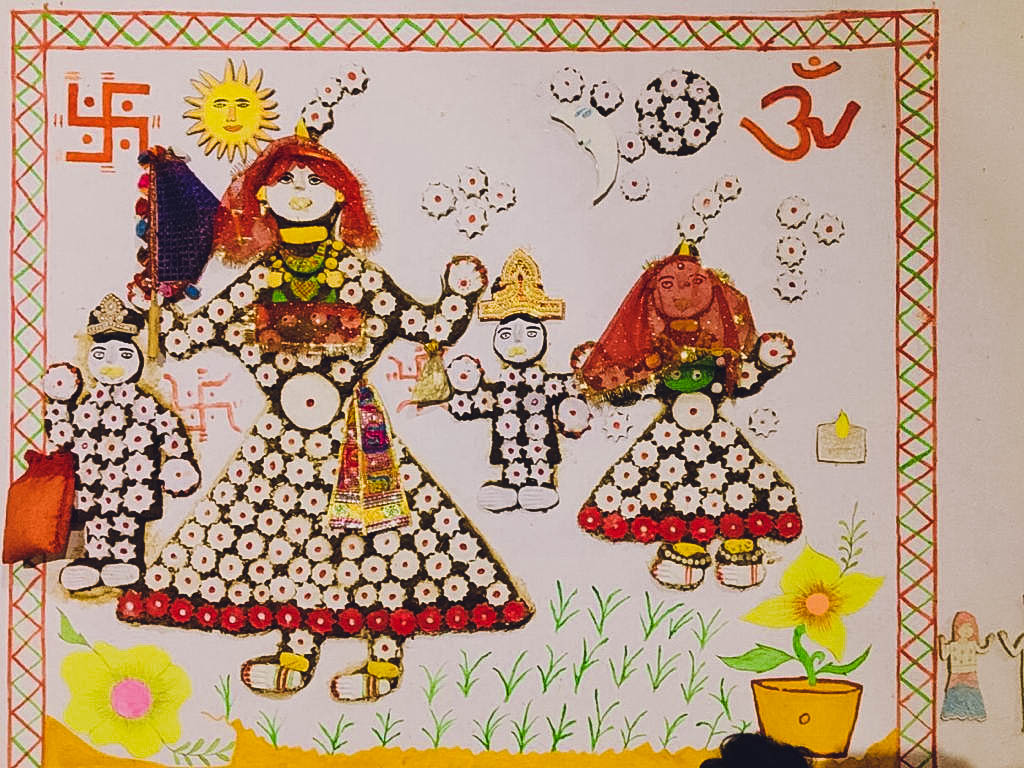
During Navratri, something happens on the south-facing walls of Haryanvi homes that most of India has never seen.
Girls take cow dung and clay and create the image of Goddess Sanjhi — a local form of Goddess Durga — directly on the wall. Around her they draw stars, the moon, the sun. Symbols of the harvest. Symbols of what the family hopes for.
Read More:- Haryanvi Is Not Just a Dialect — It’s a 3000-Year-Old Language That Refused to Die
Every evening for nine days, women gather at that wall. They sing traditional Sanjhi songs. They perform aarti.
On the tenth day — Dussehra — the image is carefully removed and immersed in a pond or river.
No idol bought from a shop. No decorator hired. Just hands, soil, and something that cannot be explained in words.
6. Gordhan Pooja — The Day After Diwali
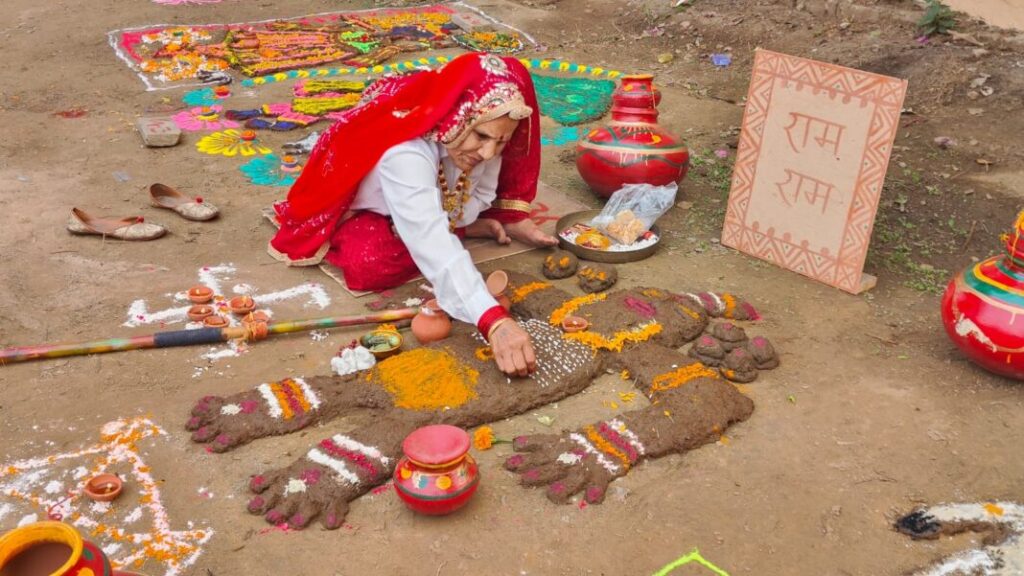
The day after Diwali, while the rest of India is recovering from fireworks, Haryana is doing something entirely different.
In every courtyard, a mound of cow dung is shaped and decorated with cotton and flowers. This is Gordhan — the symbolic Govardhan hill that Krishna lifted to protect his village.
In a farming household, the cow is not just an animal. It is central to everything — milk, fuel, fertility of the soil. Gordhan Pooja is a reminder of that. Quiet. Practical. Real.
7. Panwasi and Mavash — Living by the Moon
Most people live by the calendar. Haryana lives by the moon. Every 15 days is Panwasi — Purnima, the full moon. The day of “Parkash” — light. A pause. A reset. Many families fast. Some perform Satyanarayan Katha.
And 15 days after Panwasi comes Mavash — Amavasya, the moonless night. This night belongs to the ancestors. But not in the way most people imagine. There is no grand ritual. No expensive ceremony.
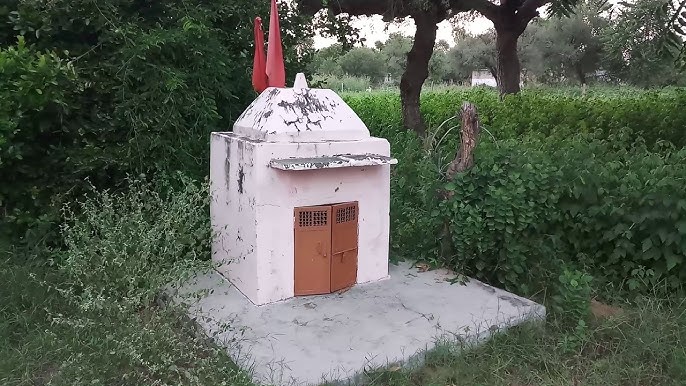
A man picks up a small clay diya. He walks to his field. His own field — the same land his father farmed, and his grandfather before that. He lights the diya there. In the dark. Among his crops.
Because in Haryana, the field is not just land. It is where the ancestors live. Many families have a spot in their field — sometimes a small stone, sometimes a simple raised platform — where the Pitra have been given their place. People call it “Dada Khet Wala” — the grandfather of the field.
Haryana does not forget its dead. It lights a flame for them — in the very soil they once worked.
8. Sidha and Kothli — The Real Story
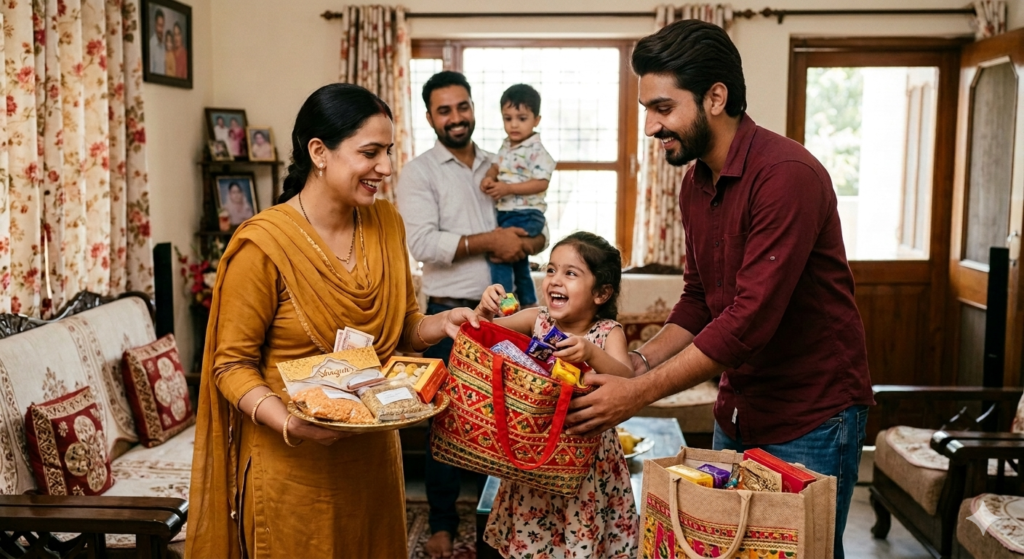
This is the part no one tells you. Sidha and Kothli are not religious rituals. They never were. In the days before phones and highways, a married woman lived far from her family. She had no way to call. No way to just check in.
So her brother came to her. Every festival. Every time. He brought flour, ghee, sugar — practical things a household needs. But that was never the point.
The point was that he showed up. That he walked however far it took. That she knew — someone from her side was still thinking of her.
Read More:- This Haryanvi Song Shows the Real Side of the Industry
Over time, people gave these visits names. Sidha. Kothli. Traditions. But the original meaning was simpler than any ritual. A brother checking on his sister. A family saying — you left our home, but you are not alone.
As time passed and life changed, different festivals gave these visits different names and different gifts. Sidha on Holi, Diwali, Sakraat, Mavash — uncooked provisions, an offering of respect. Kothli on Teej — sweets, clothes, love.
But the root was always the same. One family walking to another. Showing up. Because that is what Haryana does.
These Festivals of Haryana were never designed for tourists. They were not built for Instagram or brochures.
They were built for families who woke up before sunrise to bathe in cold water. For brothers who walked to their sister’s village every festival with flour and ghee and no phone to call ahead. For girls who painted goddesses on walls with their own hands. For farmers who lit fires to celebrate a harvest that fed everyone.
Festivals of Haryana — practical, grounded, and quietly beautiful.
Follow Peddler Media For More Updates | Instagram | Facebook | Youtube | Pinterest