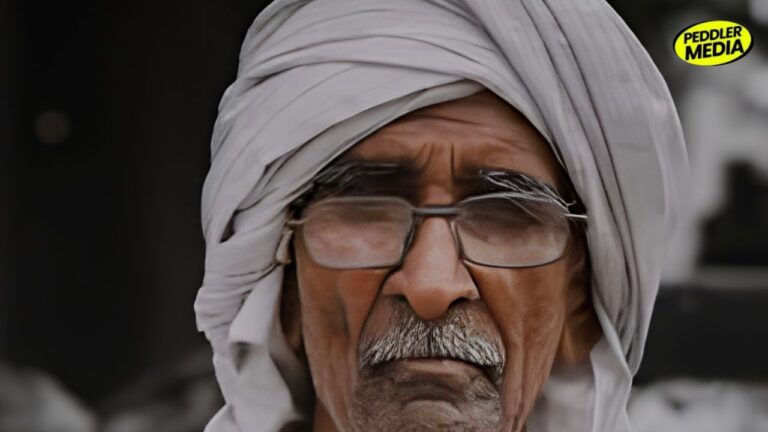
Nobody Talks About How Different Urban and Rural Haryana Actually Are
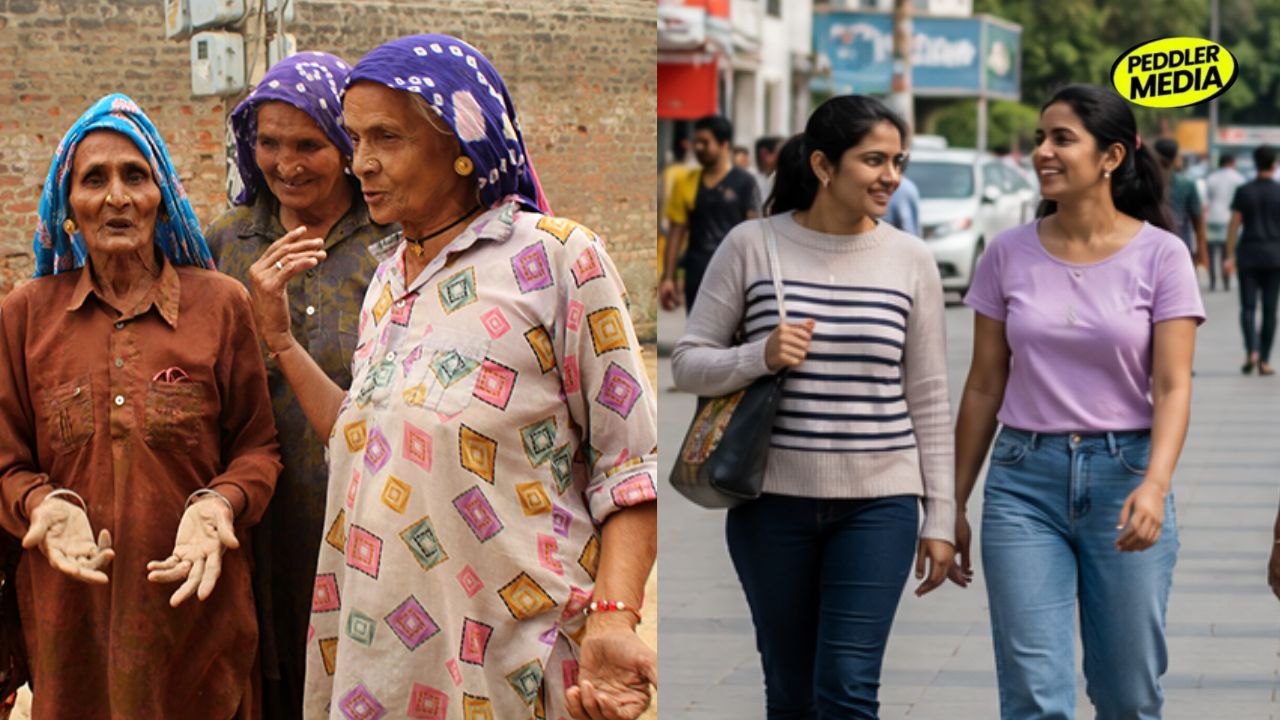
Every article about Haryana eventually turns into the same lazy argument. Villages vs cities. It is the same story told the same way, every single time. But anyone who has actually spent time around both urban and rural Haryanvis knows the divide is much more personal than that.

The real difference is not just where people live. It is how they think. A boy from Gurugram and a boy from a village near Jind may both call themselves Haryanvi, speak the same language at home, and listen to the same music online. But the way they see family, relationships, ambition, and even themselves can feel completely different.
And yet, somehow, both are still recognizably Haryanvi. So what actually separates them? Not the address. Not the accent. The mindset.
Haryana Rural vs Urban: The Visibility Difference
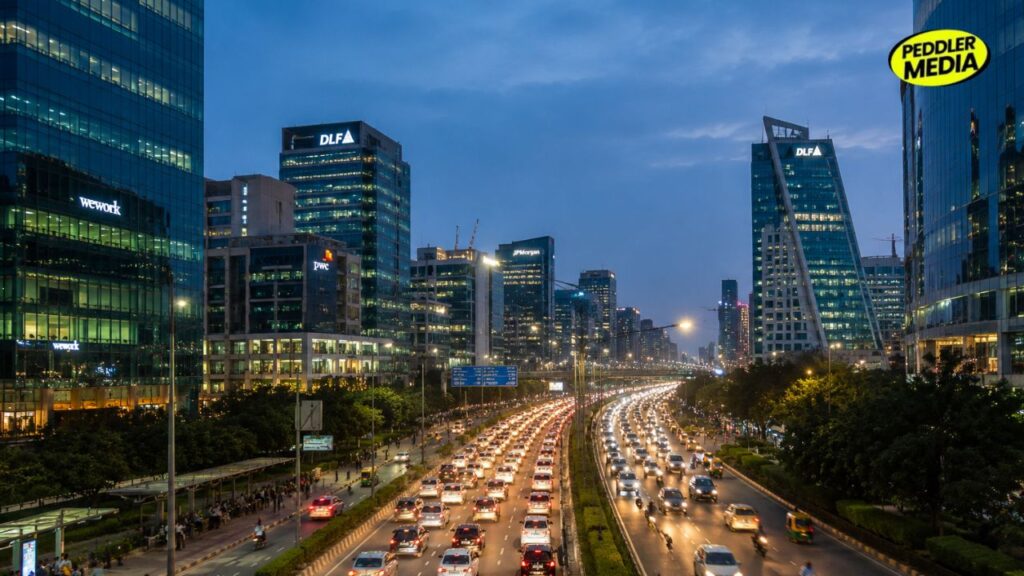
The biggest difference between urban and rural Haryanvis is not clothes or language. It is visibility.
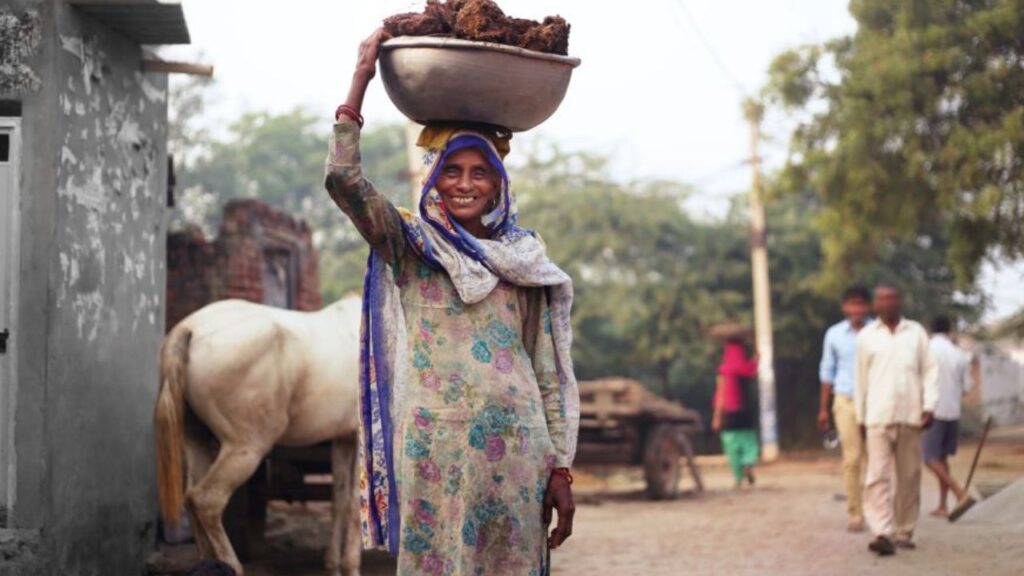
In villages, your life is public. Everybody knows your family, your land, your fights, your mistakes, and your relationships. Reputation is not personal — it belongs to the entire family. Your neighbor knows your gotra. The chaupal remembers everything. People know who studies seriously, who drinks too much, whose son works in Gurugram, whose daughter talks to whom, and which family is respected.
In cities — especially NCR cities like Gurugram and Faridabad — people live privately. You can disappear into apartments, offices, and social media identities. Nobody knows who your tau is. Nobody cares which village your family came from. That changes everything about how a person thinks.
A rural Haryanvi grows up understanding community pressure very early. What people say matters. Family honor matters. Marriage is not just personal. Career choices are not fully personal either.

An urban Haryanvi grows up with more individual freedom — or at least the illusion of it. The pressure still exists, but it becomes quieter, more internal, more hidden behind modern language.
Haryana Rural vs Urban: What Izzat Means
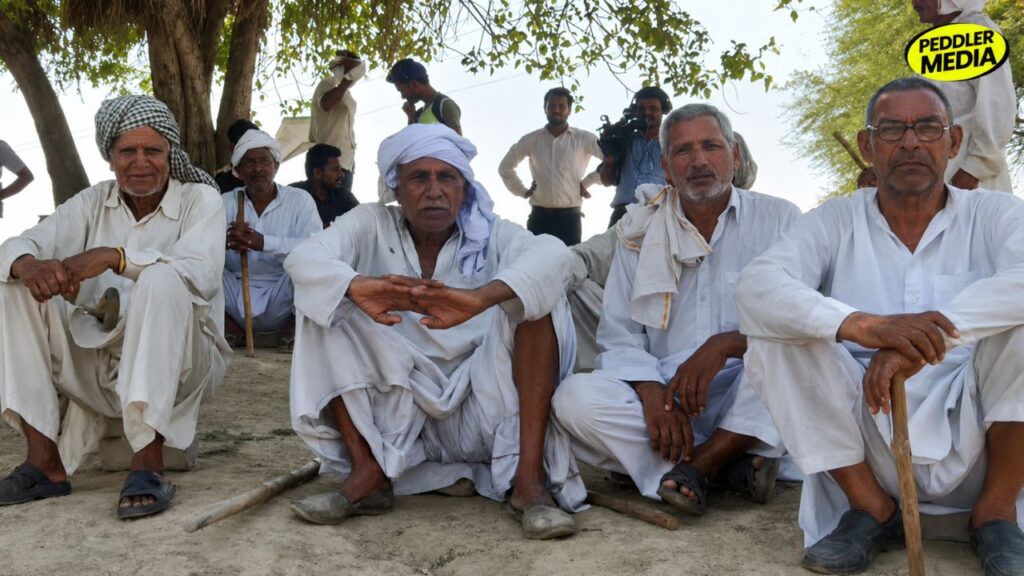
In rural Haryana, izzat is public. It lives outside the house. It is in whether your son showed up to someone’s funeral. It is in whether your daughter’s behavior gave anyone a reason to talk. It is a collective thing — your family’s reputation belongs to your entire bloodline, your gotra, your village. One person’s action can lift or destroy what three generations built.
In urban Haryana — in a Gurugram apartment, in a Hisar office — izzat has quietly become private. It is now about your own achievements. Your salary. Your designation. Whether you own a car or still take the metro.
The rural Haryanvi protecting family honor and the urban Haryanvi building a personal brand are both chasing izzat. They just stopped speaking the same language about it.
Haryana Rural vs Urban: Half-Urban Crisis
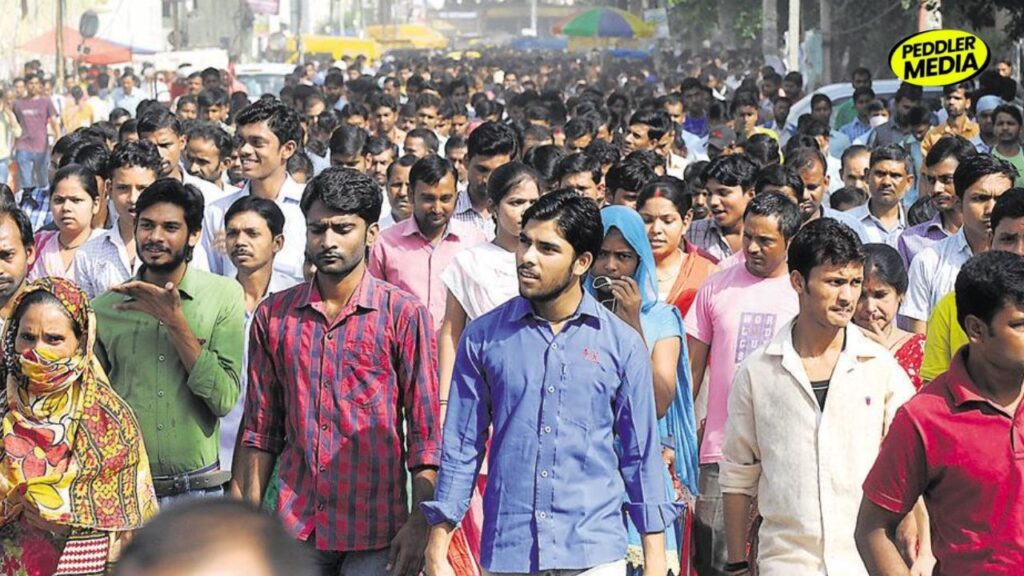
Here is a third category that most articles completely ignore — the person who left the village but never fully arrived in the city.
He lives in a HUDA sector flat or a rented room in some urban colony. He wears branded clothes. He has a corporate job. But his thinking, his way of talking, his reactions in social situations — they are still rooted in the village. And the city knows it.
Urban spaces have a way of making this visible without saying it out loud. The slight pause before someone responds to his joke. The way conversations shift when he enters. The way his accent becomes a thing people notice.
- Haryanvi Singer Meeta Baroda Arrested In Sikar During Song Promotion Event

- This Sonipat Based Rapper Wins India’s Biggest Rap Stage Hustle 5
- Everything You Need To Know About Diljit’s Aura India Tour 2026



He is too changed for the village now. His old friends say he has become “shahari.” But the city has not fully accepted him either.
This in-between space — not rural enough, not urban enough — is where a lot of young Haryanvis actually live today. It is the loneliest part of the Haryana rural vs urban story, and it is the part that gets talked about the least.
Haryana Rural vs Urban: Chaupal Culture vs Flat Culture
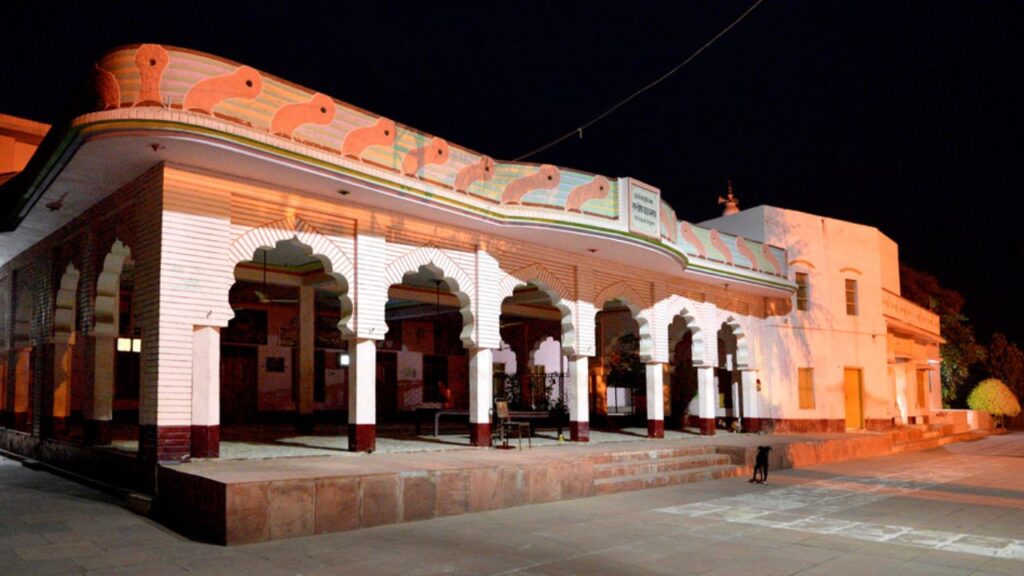
In rural Haryana, social life is built into the structure of the day. The chaupal is not just a sitting place — it is where problems get solved, news travels, disputes get settled, and old men pass wisdom nobody asked for but everyone needed. The entire village’s joy and sorrow moves as one unit. If something happens to your neighbor’s family, it is your business too — not because you are nosy, but because that is simply how the community is wired.
When a rural Haryanvi moves to the city, the first thing he loses is not his language or his food. It is this social fabric.
In city apartments and sectors, the neighbor behind the door is a stranger. Nobody knocks without a reason. Nobody shares food without an occasion. Nobody knows if you are having a bad week unless you post about it.
The urban Haryanvi gained privacy. But he lost the safety net that comes with being completely known by the people around you. That social security — the kind where ten people show up without being called — simply does not exist in the city. And most urban Haryanvis will not admit how much they miss it.
Haryana Rural vs Urban: How Haryanvi Think About Money
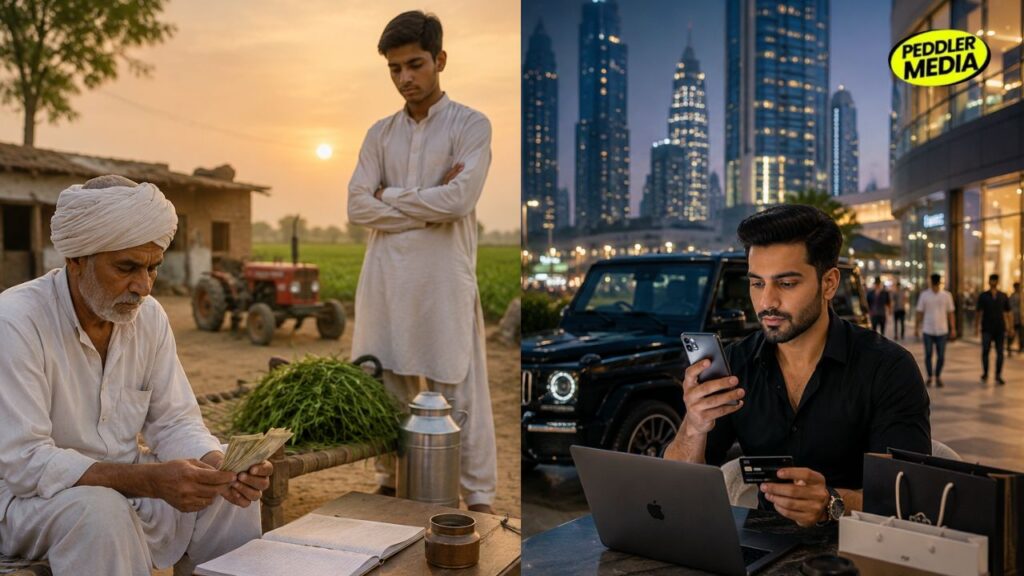
The rural Haryanvi relationship with money is built around land and security. The goal is not to become rich — it is to make sure the family never has nothing. Land is the ultimate asset. A pucca house. A government job for the son. Fixed. Stable. Permanent.
Risk is not respected here. A man who sold his land to start a business and failed is not seen as someone who tried — he is seen as someone who was foolish with what his ancestors gave him.
The urban Haryanvi thinks differently. EMIs on things that feel like progress — a better phone, a bigger flat, a car that signals arrival. The goal is not security — it is growth. Standing still feels like falling behind.
But here is what nobody says out loud. The rural Haryanvi with ten acres and a government job sleeps better than the urban Haryanvi with a six-figure salary and three credit card bills. Both types of pressure are real. They just look completely different from the outside.
Haryana Rural vs Urban: What Haryanvi Expect From Their Sons
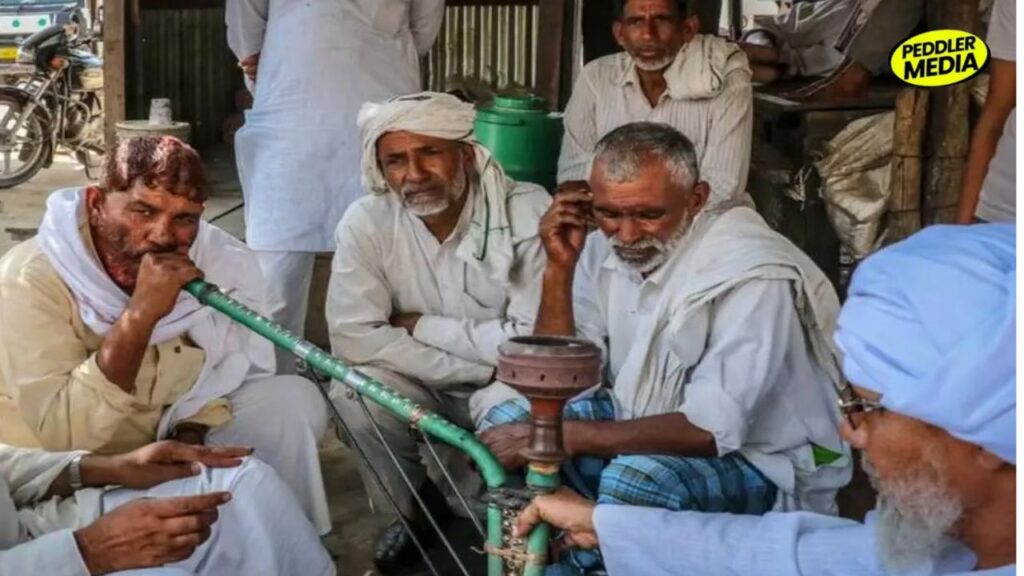
In rural Haryana, the son is an investment and a responsibility at the same time. He will carry the name. He will take care of the parents. He will handle the land. His personal ambitions come after these things — not before.
A son who moves to the city and stops coming home for harvests, who misses family functions because of office work, who does not send money back — that son has failed even if his salary is good. Success is measured by what you give back, not what you accumulate for yourself.
In urban Haryana, the son is expected to build his own life. A video call counts. A birthday visit counts. The expectation of physical presence has softened because everyone understands the city demands something different.
The rural father and the urban son love each other completely and misunderstand each other constantly. The father thinks the son has become selfish. The son thinks the father does not understand the pressure he is under. Both are partly right.
Read More:- She Wore a Ghunghat at Cannes. And the World Stopped.
Haryana Rural vs Urban: Social Media and the Performance of Identity
Instagram and YouTube completely changed how Haryanvi identity works.
Today, rural Haryana watches urban influencers. Urban Haryana watches village reels. The Haryanvi accent trends online. Ragini clips go viral. Rural wedding dances become Instagram content. Everybody consumes the same internet culture now. But social media also created performance.
A lot of people today perform Haryanvi identity more than they actually live it. The language survives online. The aesthetic survives online. But the everyday reality behind it is changing very fast. The joint family is weaker. Farming connections are fading. Village life is becoming more fragmented.
Many young Haryanvis know the culture visually without fully living inside it anymore.
Haryana Rural vs Urban: The Guilt That Runs Between Them
Here is the thing nobody writes about. The urban Haryanvi carries guilt. Guilt for leaving. Guilt for changing. Guilt for not going back enough. Guilt for secretly being relieved that they got out.
The rural Haryanvi carries resentment. The cousin who left and came back with city habits. The one who talks differently now, eats differently, laughs at different things. The one who got out and does not look back enough.
That guilt and that resentment are two sides of the same rupture — what happens when one person’s world changes completely and the other person’s world stays the same.
Read More:- Haryanvi Drinks for Summer — The Real Ones Your Nani Used to Make
- A Small Haryanvi Village Was Just Built Inside HAU Hisar
- You think “Concert Culture” is a Western thing? Haryana did 100 years ago.
- Haryana’s 2,000-Year-Old Buddhist Secret That Your History Books Forgot to Tell You!



Haryana Rural vs Urban: So Which Haryana Is the Real One?
Both. The rural wrestler from Bhiwani is real Haryana. The corporate employee in Gurugram who quietly softens her accent in meetings is also real Haryana. The young man stuck between the village he left and the city that has not fully accepted him — also real Haryana.
The Haryana rural vs urban divide is not a line on a map. It is a conversation happening inside one person, in real time, every single day. And that conversation is not over.
Enjoyed this story? Read more about Haryanvi culture and identity on Peddler Media
FAQs About Haryana Rural vs Urban
What is the main mindset difference between rural and urban Haryanvis?
Rural Haryanvis grow up with public identity — reputation belongs to the whole family. Urban Haryanvis develop a more private, individual identity where personal achievements define who they are.
Is the rural vs urban divide in Haryana getting smaller?
The gap is changing, not disappearing. Social media, migration, and urbanization are mixing both worlds — but the core mindset differences around izzat, money, marriage, and family still run deep.
Why do urban Haryanvis feel guilty about leaving their villages?
Because the rural mindset is built around giving back to family and community. Moving to a city and building an individual life often feels like abandoning that responsibility — even when it is not.
What is the half-urban crisis in Haryana?
It is the experience of young Haryanvis who have left the village but not fully arrived in the city — too changed for home, not accepted enough by urban spaces. This in-between identity is one of the least talked about realities in modern Haryana.
Follow Peddler Media For More Updates | Instagram | Facebook | Youtube | Pinterest