
Haryanvi Summer Drinks: 5 Traditional Beverages You Must Try
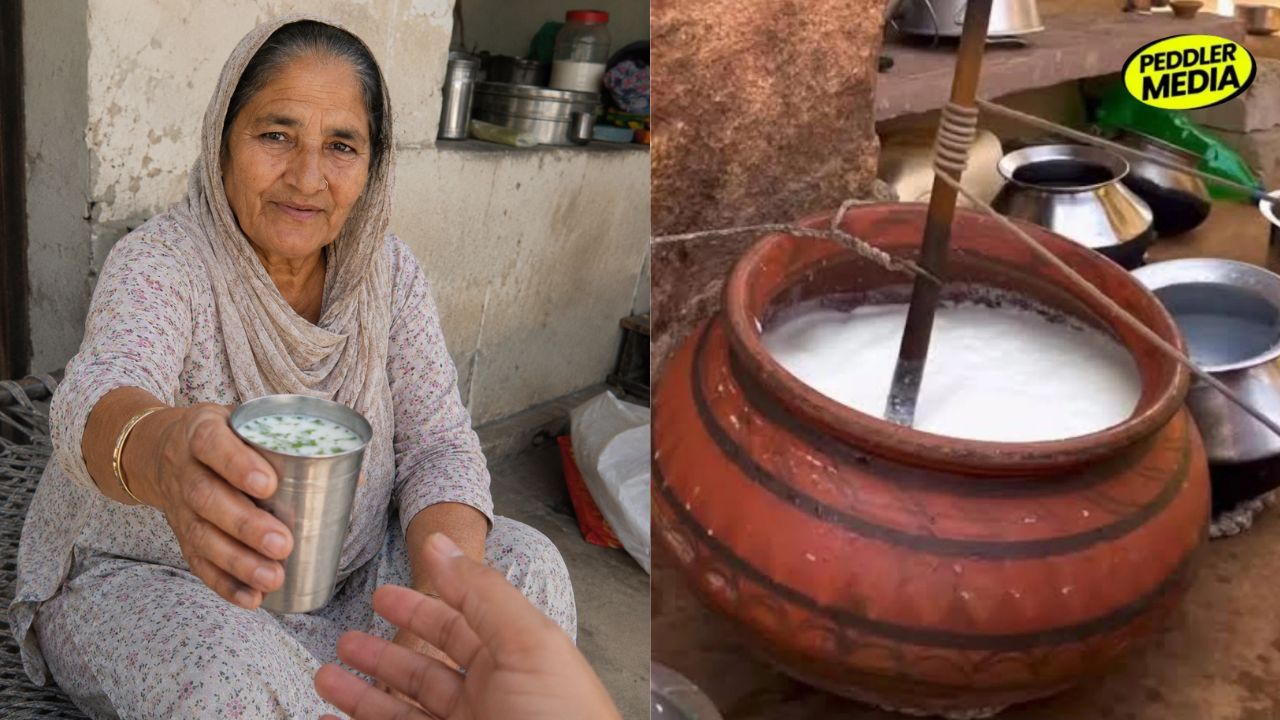
Before Pepsi. Before Frooti. Before cold drinks took over every village shop in Haryana. There was something better.

Every summer, Haryanvi households had their own cooling system — made in the kitchen, served in clay pots, and passed down through generations without anyone writing a recipe for it.
Here are the 5 real Haryanvi summer drinks that your nani made — and that no packaged drink has ever come close to replacing.
1. Raabdi — The Real Boss of Haryanvi Summers
Most people outside Haryana have never heard of this. And that is exactly why it needs to be first on this list.
Raabdi is made from bajra or jowar — the grain is coarsely ground, mixed with water, and then left to ferment overnight in a clay pot. By morning, it has turned slightly sour, slightly tangy, and completely alive.
It is not sweet. It is not fancy. It looks like something you would not immediately want to drink.
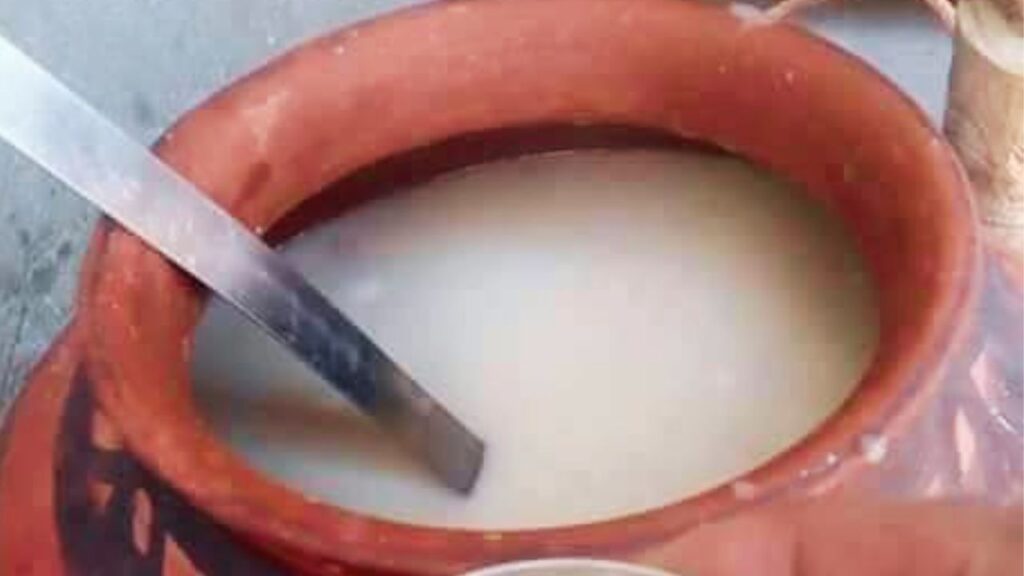
But one glass of cold Raabdi in May — when Haryana’s loo winds are burning everything in sight — and you understand why farmers swore by it for generations.

It cools the body from inside. It fills the stomach. It keeps you going through hours of field work without anything else. Raabdi is not a drink. It is fuel. And Haryana ran on it every summer for centuries.
2. Lassi — But What Do You Call It?
Every Haryanvi household has this drink. But not every Haryanvi calls it the same thing.
Lassi made from curd is consumed cold after adding salt crystals and spices. It is widely used by Haryanvi people during the hot summer season, mainly due to its multiple health benefits — digestion, cooling the body temperature, and replenishing water content.
The base is always the same — curd churned with water, rock salt, roasted jeera, sometimes fresh pudina or ginger.
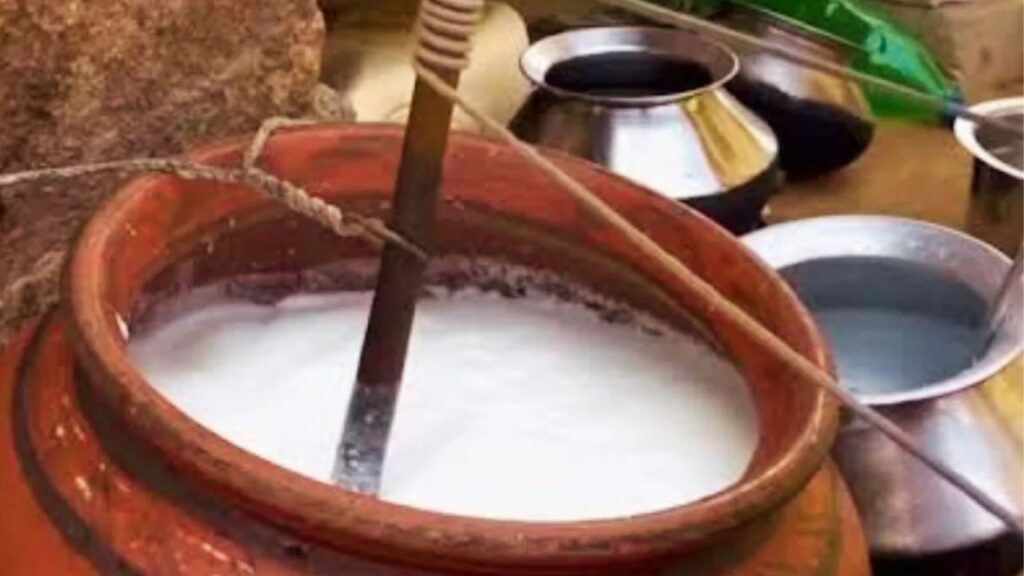
But the name changes depending on where you are from.
Some call it Chaas. Some say Matha. Others call it just Seet. And in some areas — it simply gets called Lassi even though it is thinner than lassi.
Tell us in the comments on Instagram — what do you call it in your area? 👇
Whatever the name — the clay pot version hits different. Cold from inside, earthy from the pot, salty and spiced just right. No packaged drink comes anywhere close.
3. Kachi Lassi — Haryana’s Name for Thandai
This one will surprise people who are not from Haryana. The Haryanvi love for lassi can be gauged from the fact that thandai — a sweet milk-based drink — is called kachi lassi in Haryana.
Think about that for a second. Thandai — the drink that the rest of India considers a special Holi or Mahashivratri drink made with milk, nuts, saffron, and spices — is just kachi lassi to Haryanvi people. The “raw” version. The incomplete one.
That tells you everything about how seriously Haryana takes its dairy drinks.
Kachi lassi in summer means cold full-fat milk mixed with sugar, sometimes a pinch of elaichi, sometimes kesar if the occasion calls for it. Served in a big steel glass. Thick. Cold. Heavy.
The kind of drink that means you are not going anywhere for the next hour.
Read More:- 8 Real Festivals of Haryana
4. Sattu Sharbat — The Original Energy Drink
Nobody marketed this. Nobody put it in a can with a celebrity face on it. But Sattu has been giving Haryanvi farmers energy through brutal summer heat for centuries — long before any energy drink company existed.
Sattu is roasted gram flour. Mixed with water, salt, a squeeze of lemon, and a pinch of jeera — it becomes a thick, earthy, filling drink.
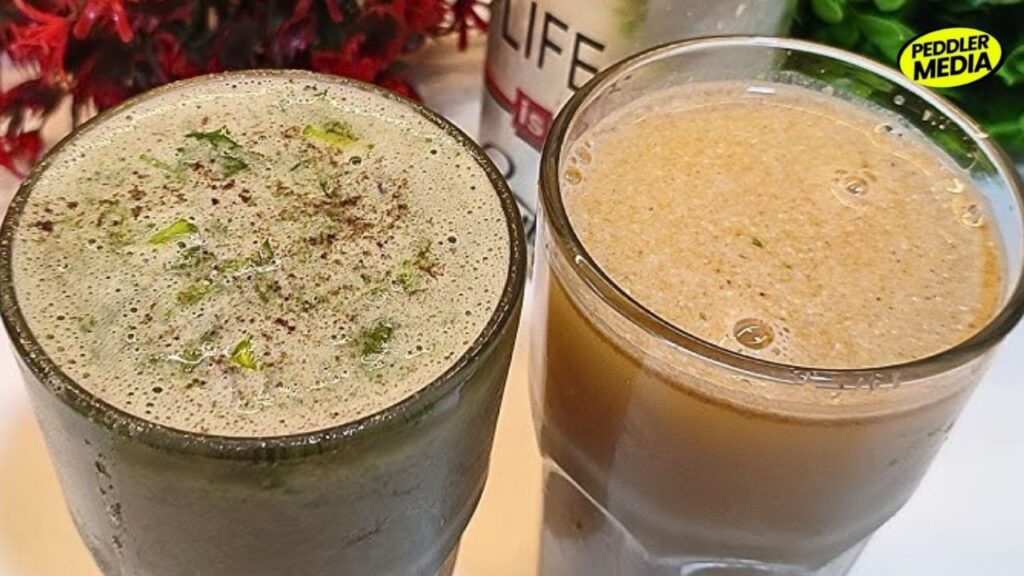
Farmers used to carry sattu in cloth pouches to the fields. Mix it with water from a clay pot. Drink it standing in the shade of a neem tree.
That drink kept them going through eight-hour days in 45-degree heat. No supplements. No sugar crash. Just fuel that the body actually recognised.
Today, sattu is making a comeback in health circles in cities — marketed as a superfood drink in fancy packaging. Haryanvi villages never stopped drinking it. They just never made a big deal about it.
5. Aambi Paani — Summer’s Sour Warning
When raw mangoes appear on trees in late April — Haryanvi households know the real heat is coming.
Aambi Paani is the answer. Raw mango — boiled or roasted directly on fire — then mixed with jaggery or sugar, kala namak, roasted jeera, and fresh pudina. Served cold.
It is sour. It is sweet. It has that smoky edge from the roasted mango. And it does something that no bottled drink does — it protects the body from loo, the hot dry wind that sweeps through Haryana in May and June.
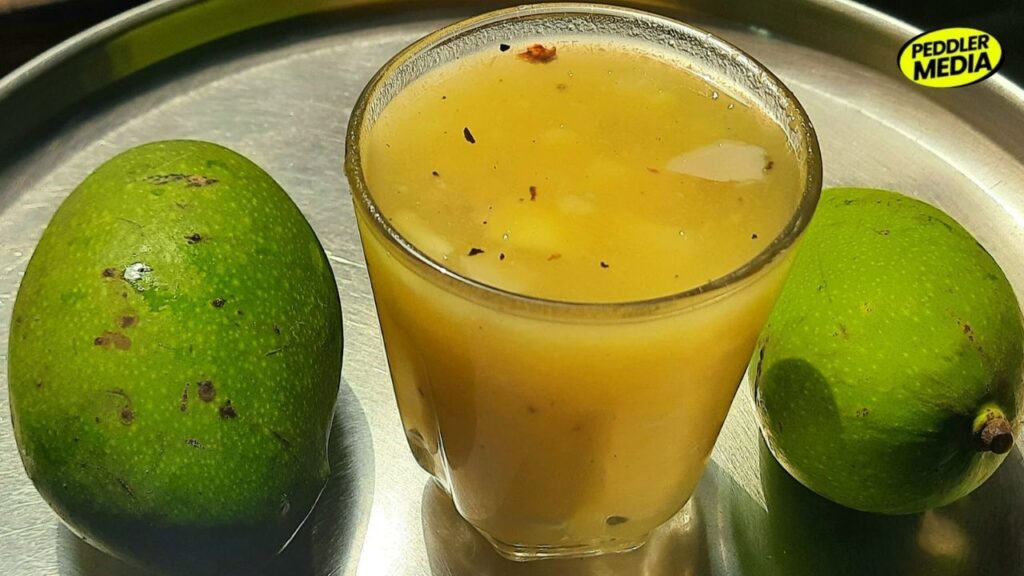
Summer beverages are designed to control body temperature, replenish lost electrolytes, and prevent dehydration.
Aambi Panna does all three — naturally, without a single artificial ingredient.
Grandmothers in Haryana made this every year when the first raw mangoes came down from the tree. It was not a recipe. It was a ritual. And every family had their own version.
Read More:- Haryanvi Is Not Just a Dialect — It’s a 3000-Year-Old Language
The Bigger Point
These 5 Haryanvi summer drinks were not invented in a lab. They were not designed by a nutritionist or marketed by a brand.
They survived because they worked. Haryana’s summers are brutal — 45 degrees, loo winds, hours in the fields — and these drinks made from curd, raw mango, fermented grain, roasted gram actually helped the body cope.
Every ingredient came from within a few kilometres of the village. Every recipe was passed from one generation to another without being written down anywhere.
That knowledge is slowly disappearing as cold drink bottles replace clay pots in village homes.
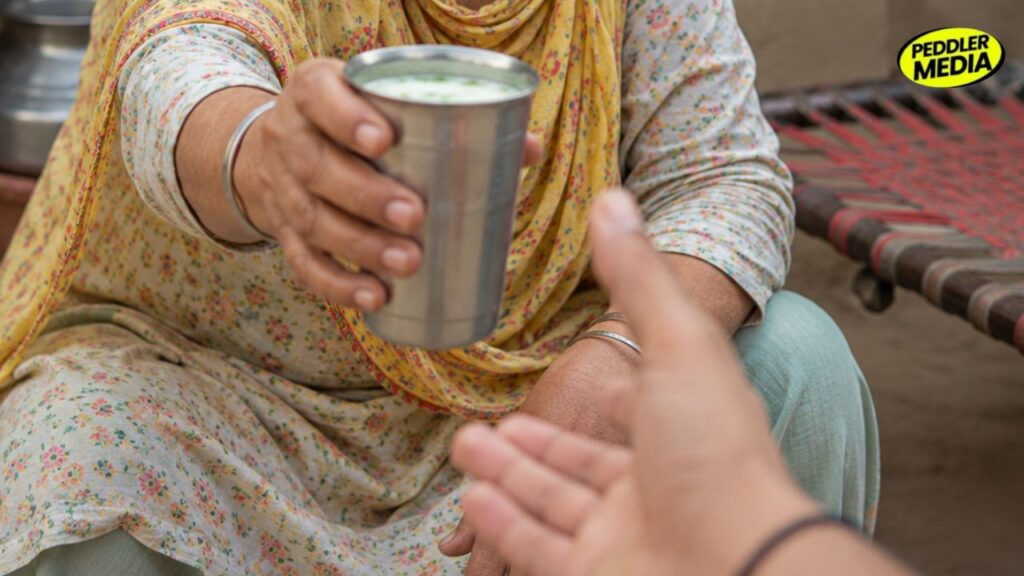
So the next time someone offers you a glass of Chaas or a bowl of cold Raabdi in a Haryanvi home — drink it fully. Sit with it. Because what you are holding is not just a Haryanvi summer drinks.
It is several hundred years of people figuring out how to survive a Haryana summer — and thriving because of it.
Which one is your favourite Haryanvi summer drinks? And what do you call Chaas in your area — Matha, Seet, Chach, or something else? Tell us o social media.
Follow Peddler Media For More Updates | Instagram | Facebook | Youtube | Pinterest