8 Hidden Road Trips & Monsoon Getaways in Haryana
Think Haryana is just highways and fields? Think again. From misty Aravalli Hills to Morni's rain-soaked roads, here's why Haryana in monsoon deserves a spot on your next weekend road trip.
Every single July, a strange collective trance takes over your social media feed. The entire internet starts pushing the exact same copy-pasted aesthetic: the foggy cliff loops of Lonavala, the dramatic waterfalls of Cherrapunji, or the rain-washed lakes of Udaipur.

People pack their bags, crowd the same three mountain highways, and happily spend twelve hours stuck in a muddy traffic jam just to capture a single “aesthetic” Lo-Fi reel.
But here is a beautiful, unscripted reality check for your next road trip: you are completely sleeping on the soul of Haryana In Monsoon.
To the casual outsider, Haryana is painted in a flat, one-dimensional color palette—dusty highways, industrial factory hubs, endless sun-baked plains, and aggressive music videos. But that is only because most people see it through a car window at 120 km/h on a brutal summer afternoon.
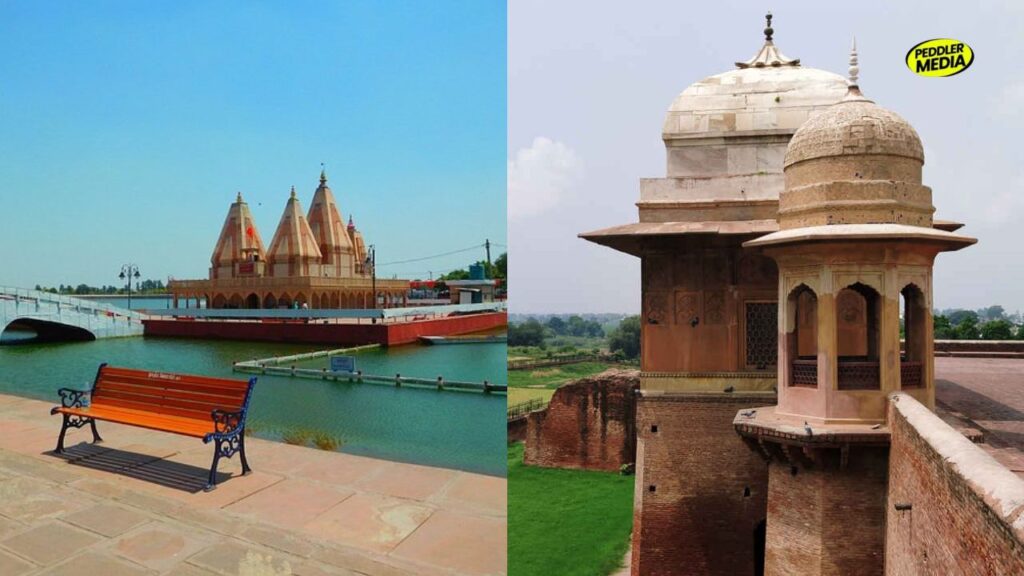
When the monsoon skies crack open, the state undergoes a spiritual transformation. The dust settles, the harsh concrete vanishes under water mirrors, and the landscape reveals a raw, atmospheric, and deeply cinematic universe that completely shatters every single stereotype.
Haryana In Monsoon doesn’t look like a standard travel brochure; it feels like stepping straight into a high-budget indie film. The soul of travel isn’t about chasing the highest mountain peak or the most famous waterfall. It is about watching a familiar, overlooked landscape completely flip its identity.
Haryana In Monsoon isn’t trying to copy the soft, manicured beauty of a hill station. It is vast, raw, and visually heavy—and that is exactly why it is the ultimate cinematic getaway. If you are ready to completely rewrite your travel map, here is how Haryana’s 8 distinct cultural regions turn into absolute visual poetry under a heavy downpour.

1. Bagadi Belt (Sirsa • Fatehabad • Hisar • Bhiwani)
Where Dry Land Comes Alive
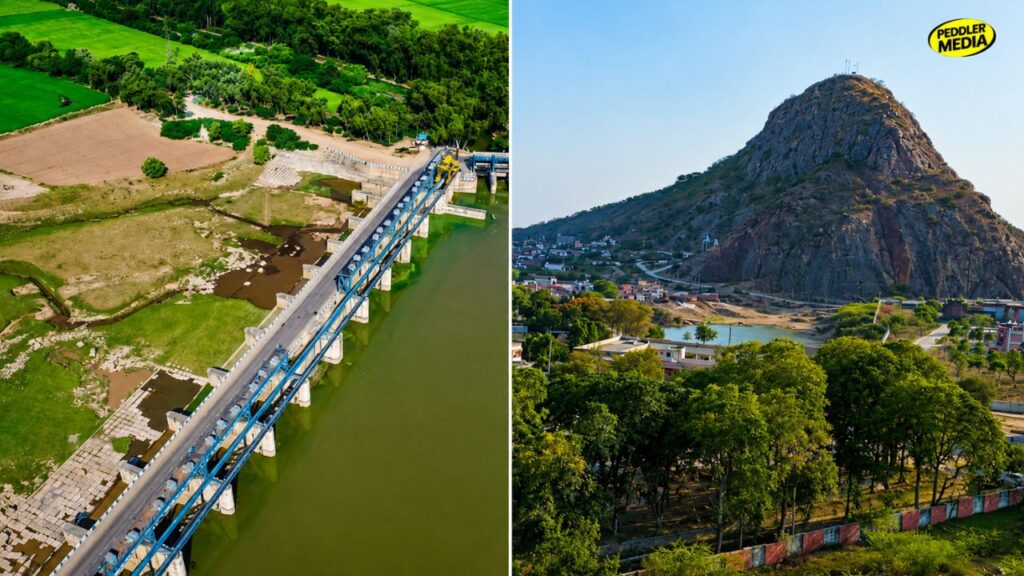
Outsiders think the western edge of Haryana is nothing but dry, unforgiving earth. But there is nothing more poetic than watching a desert landscape receive life. Experiencing Haryana In Monsoon means witnessing this arid zone completely reset.
Best Experiences
- Watch sunrise from Tosham Hills after overnight rainfall.
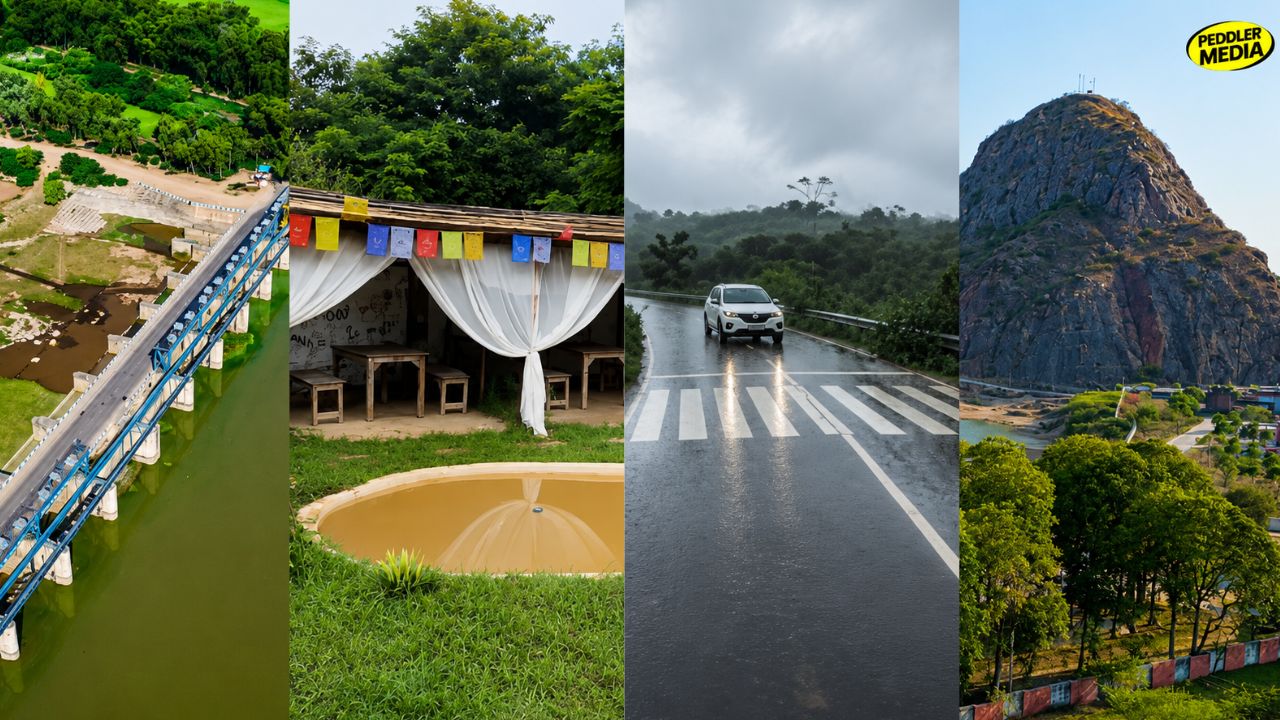
- Visit Ottu Barrage when the reservoir is full.
- Stop at a local village for fresh lassi and traditional Haryanvi breakfast.
Also Read:- 10 Abandoned Places in Haryana Will Surprise You
2. Mewat (Nuh • Tauru • Aravalli Hills)
Haryana’s Biggest Surprise
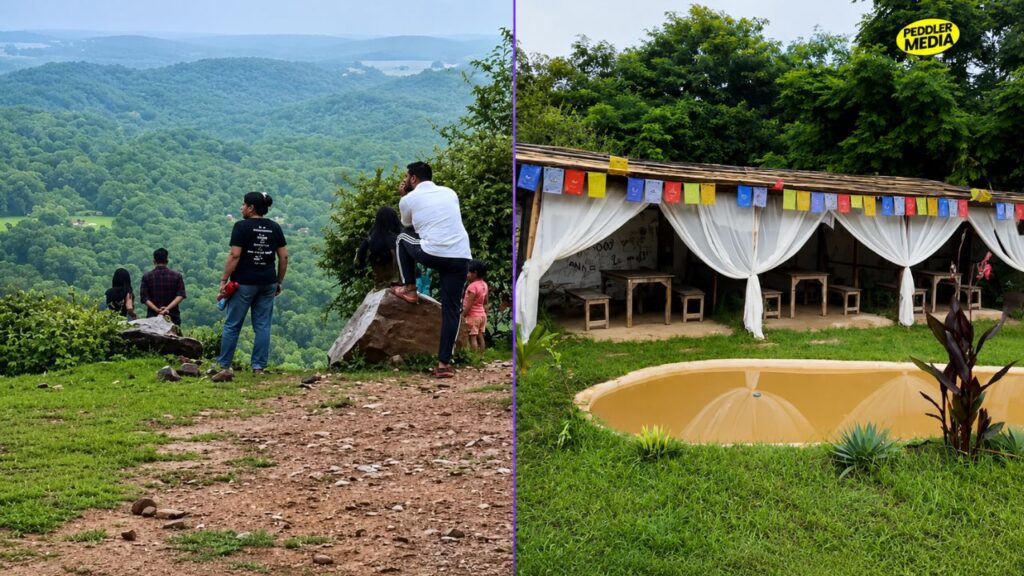
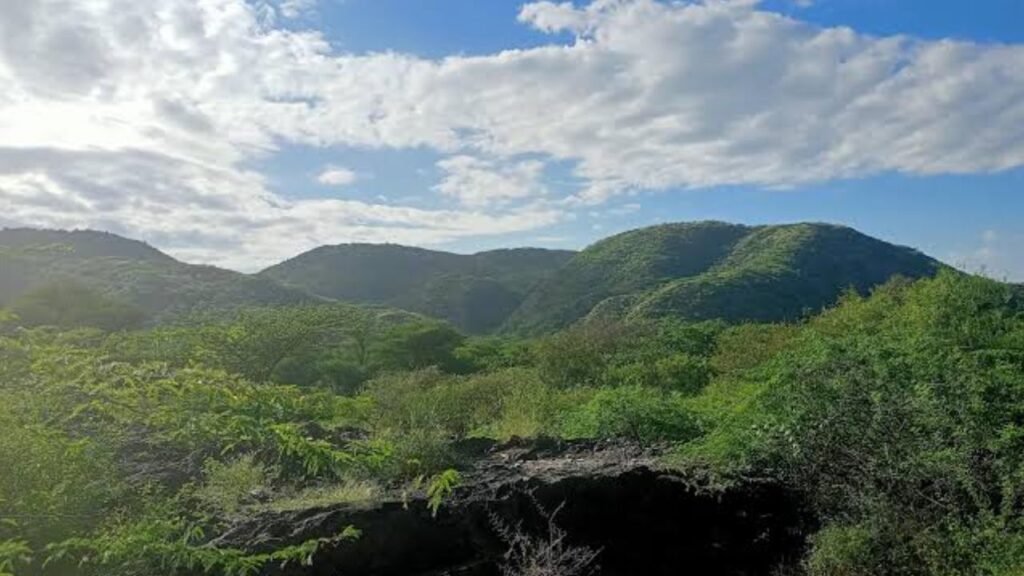
This is perhaps the biggest visual shock for anyone living in the concrete jungle of Delhi or Gurgaon. The southern Aravalli hills here absorb the monsoon rain and turn a shade of deep, hyper-saturated green so intense it looks tropical.
Best Experiences
- Early morning drive through the Aravalli foothills.
- Spend time around Kotla Lake after rainfall.
- Explore village roads and enjoy local dhaba food along the route.
3. Ahirwal Belt (Mahendragarh • Rewari • Narnaul)
Where History Meets Monsoon
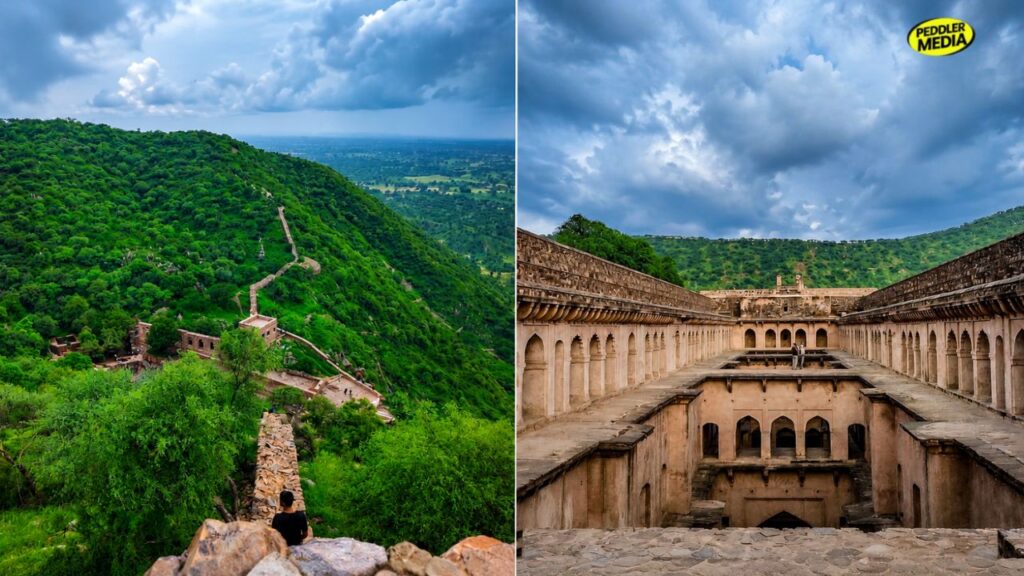
The historical heartland of southern Haryana thrives on a vintage, weathered grandeur. When the rain washes over centuries-old fort walls and deep stone stepwells, the entire region switches to a deeply romantic, nostalgic mood.
Best Experiences
- Visit Madhogarh Fort during cloudy weather.
- Explore the historic baolis of Narnaul.
- Combine heritage walks with local Ahirwal cuisine.
Also Read:- Why The ‘Haryana Flat Plains’ Are The Ultimate Mind-F**k For Road Trippers
4. Deshwali Belt (Rohtak • Jhajjar • Sonipat)
The Lo-Fi Flatlands:- Beauty of Open Horizons
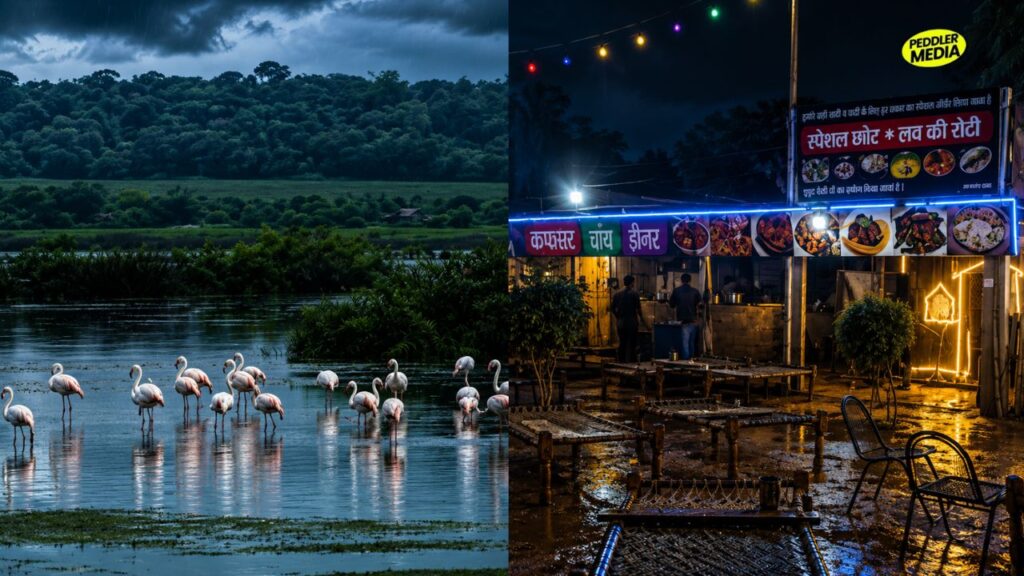
Deshwal is where you go to understand the true spirit of the North Indian plains. It is all about flat horizons, wide-open country roads, and a laid-back local lifestyle. Haryana In Monsoon is not about climbing peaks here; it is about the beauty of endless space.
Best Experiences
- Visit Bhindawas Wildlife Sanctuary after rainfall.
- Enjoy a highway chai stop between Rohtak-Jhajjar-Sonipat.
- Take slow countryside drives through village roads instead of expressways.
5. The Bangar Region (Jind / Kaithal)
Where Haryana’s Farming Heart Beats Loudest
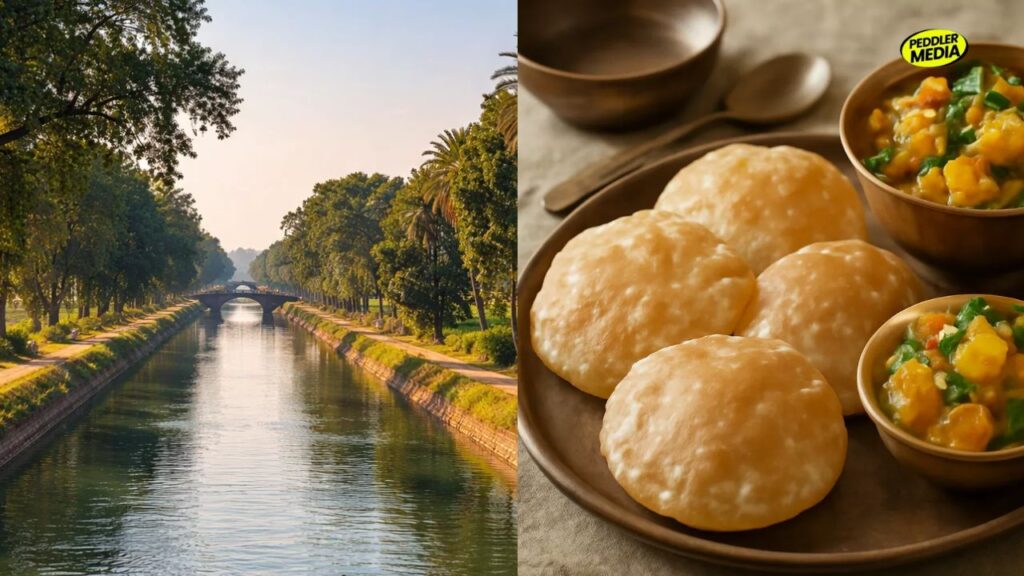
This is the bedrock of rural Haryana—unapologetic, vibrant, and completely connected to the earth. The true power of Haryana In Monsoon in the Bangaru belt is defined by roaring canals and agricultural landscapes operating at full, magnificent power.
Best Experiences
- Drive along canal roads near Jind.
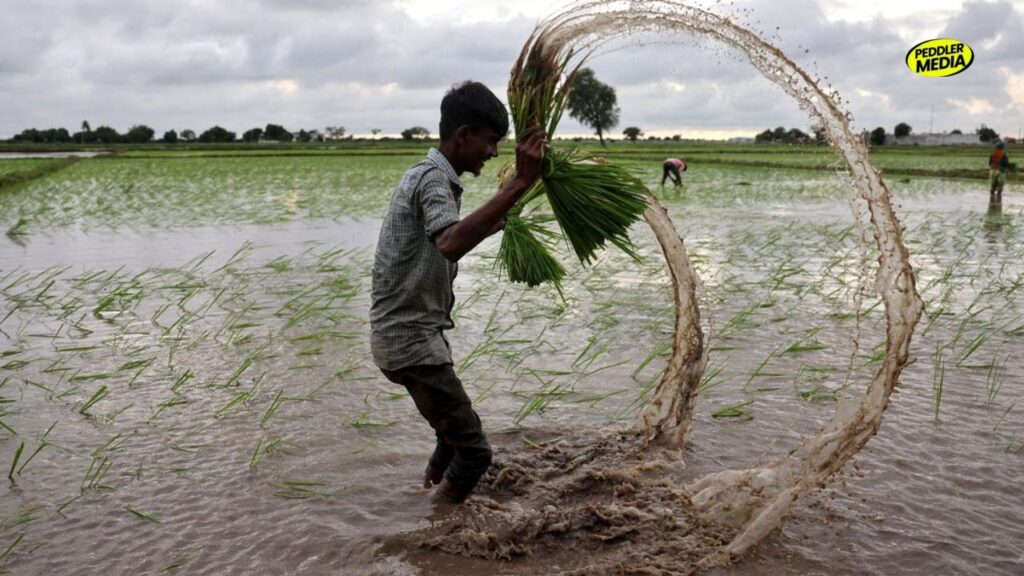
- Visit local villages during paddy season.
- Enjoy traditional Haryanvi meals at roadside dhabas.
6. Khadar Belt (Yamunanagar, Karnal, Panipat)
Haryana’s Greenest Monsoon Landscape
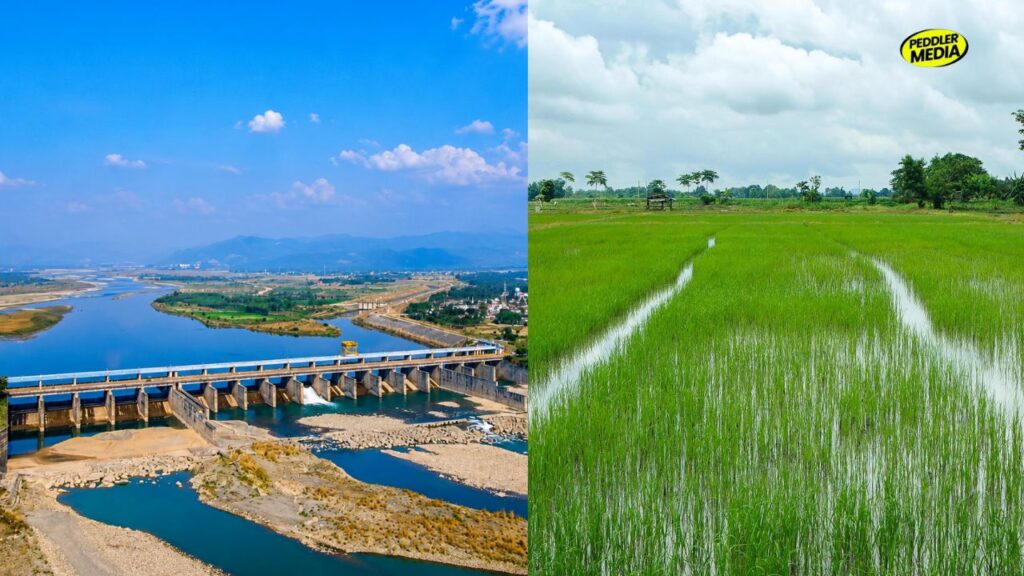
Running right alongside the lowlands of the Yamuna River, the Khadar region is exceptionally fertile. During the peak monsoon weeks, the entire landscape gets covered in a literal neon-green carpet of young paddy (rice) fields.
Best Experiences
- Visit Hathnikund Barrage during peak monsoon.
- Drive through the paddy fields around Karnal.
- Explore rural roads lined with orchards and canals.
Also Read:- Two Punjab Boys Took a Maruti 800 to Leh Instead of an SUV
7. The Braj Belt (Hodal / Palwal Border)
Where Culture Meets the Rain
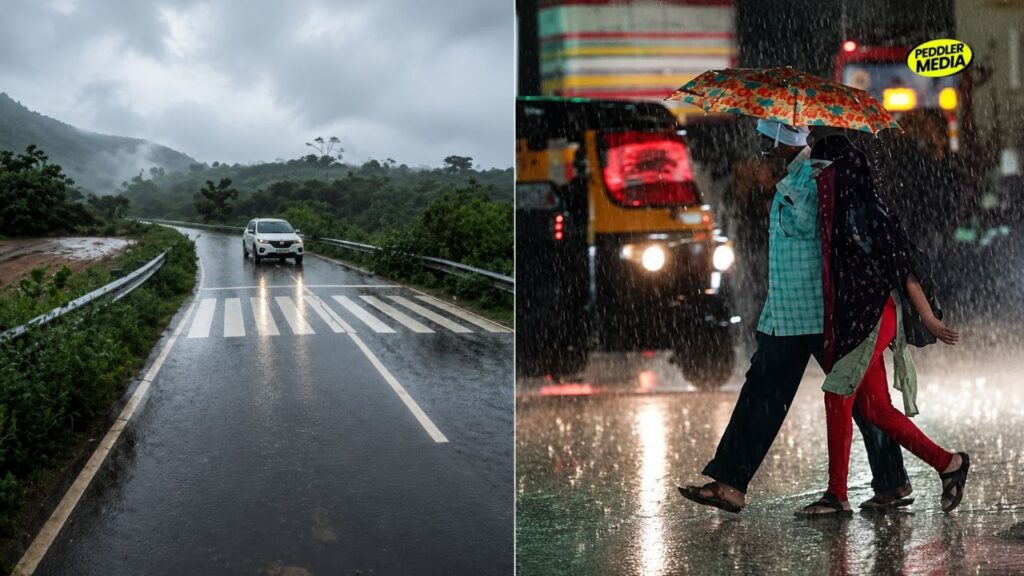
Where southern Haryana blends right into the borders of Uttar Pradesh and the cultural land of Krishna. The monsoon vibe here feels deeply traditional, gentle, and artistic, marked by lush community forests and historic water tanks.
Best Experiences
- Visit Chameli Van after rainfall.
- Explore Sati Sarovar and nearby heritage sites.
- Enjoy local sweets and traditional Braj cuisine.
8. Puadh Belt (Panchkula / Morni / Ambala )
Haryana’s Mountain Escape
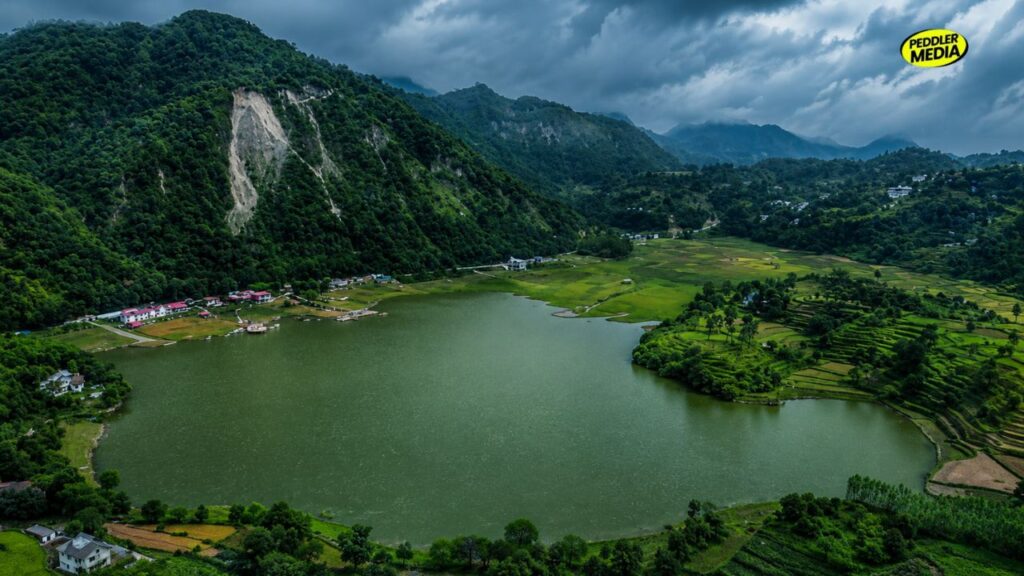
If you absolutely demand real mountain views, this northern tip is Haryana’s direct gateway to the outer Himalayas. The elevation catches the heaviest rainfall in the state, offering a legitimate hill-station climate without the commercial tourist traps.
Best Experiences
- Spend a weekend exploring Morni Hills.
- Visit Tikkar Taal after monsoon showers.
- Drive through Kalesar National Park during the rainy season.
Also Read:- How Different Urban and Rural Haryana Actually Are
Perfect Weekend Monsoon Road Trip
If you have only two days, you don’t need to cover the entire state. Choose one region and explore it slowly instead of rushing between multiple destinations.
Travellers from Delhi and Gurugram can spend a weekend exploring Mewat and the Aravalli Hills. Visitors from Chandigarh can combine Morni Hills with Kalesar National Park for a forest-focused getaway. Those looking for heritage can plan a trip through Narnaul, Mahendragarh and Madhogarh Fort.
If peaceful countryside drives are your idea of a holiday, the canal roads of Jind, Karnal and Kaithal offer some of the most relaxing monsoon journeys in North India.
Also Read:- 8 Hidden Haryanvi Festivals Are The Real Cultural Gold
Travel Tips Before You Hit the Road
The best time to explore Haryana during the monsoon is from mid-July to early September, when rainfall is consistent and the countryside is at its greenest.
Start your road trip early in the morning to avoid traffic and enjoy cooler weather. Carry waterproof shoes, a light rain jacket and keep your phone protected from sudden showers.
Drive carefully on village roads, especially near canals and forest areas, as the roads can become slippery after heavy rain.
Most importantly, respect local communities and avoid leaving litter behind. Many of these places remain beautiful because mass tourism has not reached them yet.
Also Read:-When Everyone Books Manali, This Man Is On A Mission To Show Haryana.
Why This Road Trip Deserves a Spot on Your Bucket List
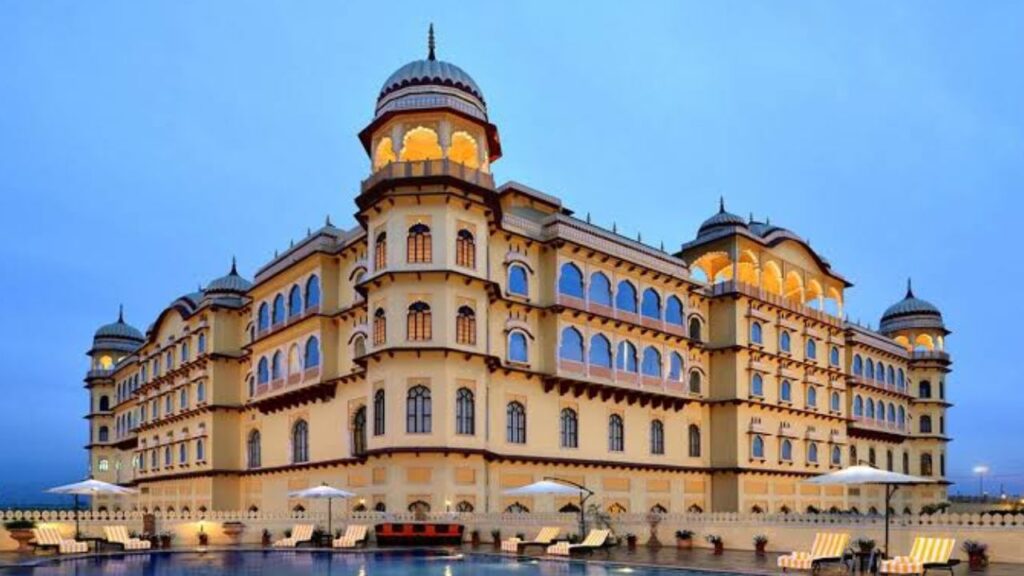
Haryana has never tried to compete with Himachal, Uttarakhand or Meghalaya. It doesn’t need snow-covered peaks or world-famous waterfalls to leave an impression. Its greatest strength is authenticity.
The monsoon reveals a side of the state that many travellers never expect to see. Ancient forts stand against dark skies, forests come alive with fresh rain, canals overflow with life and village roads become some of the most peaceful drives in North India.
Perhaps that is why Haryana feels different. It doesn’t ask for your attention. It rewards your curiosity. So the next time your social media feed tells you to follow the crowd, take a different turn instead.
This monsoon, skip the traffic, slow down, and discover a side of Haryana that has been quietly waiting to be explored.
FAQ Haryana In Monsoon
Is Haryana in monsoon worth visiting ?
Yes. During the rainy season, Haryana’s forts, forests, wetlands, canals and Aravalli Hills become much greener, making it one of North India’s most underrated road trip destinations.
Best place to visit Haryana In monsoon?
Morni Hills, Kalesar National Park, Tosham Hills, Bhindawas Wildlife Sanctuary and Mewat are among the best places to visit during the monsoon.
What is the best time to visit Haryana in monsoon?
The ideal time is from mid-July to early September when rainfall is consistent and the countryside is at its greenest.
Is Morni Hills good during the rainy season?
Yes. Morni Hills becomes one of Haryana’s most scenic destinations during the monsoon with mist-covered roads, lush forests and pleasant weather.
Which road trip is best near Delhi during Haryana in monsoon?
Travellers from Delhi can explore Mewat, the Aravalli Hills, Nuh and nearby villages for a peaceful weekend drive.
Feature Your Story With Us
If you or someone you know from Haryana wants their business or startup story featured, submit it to Peddler Media. Submit your story here
Follow Peddler Media For More Updates | Instagram | Facebook | Youtube | Pinterest