Why Haryana Has India’s Most Olympians: 7 Real Reasons Behind the Dominance
Haryana Olympic medals tell a story no other Indian state can match. India has 28 states. But when it comes to the Olympics, one state does the heavy lifting every single time.
India has 28 states. But when it comes to the Olympics, one state does the heavy lifting every single time.
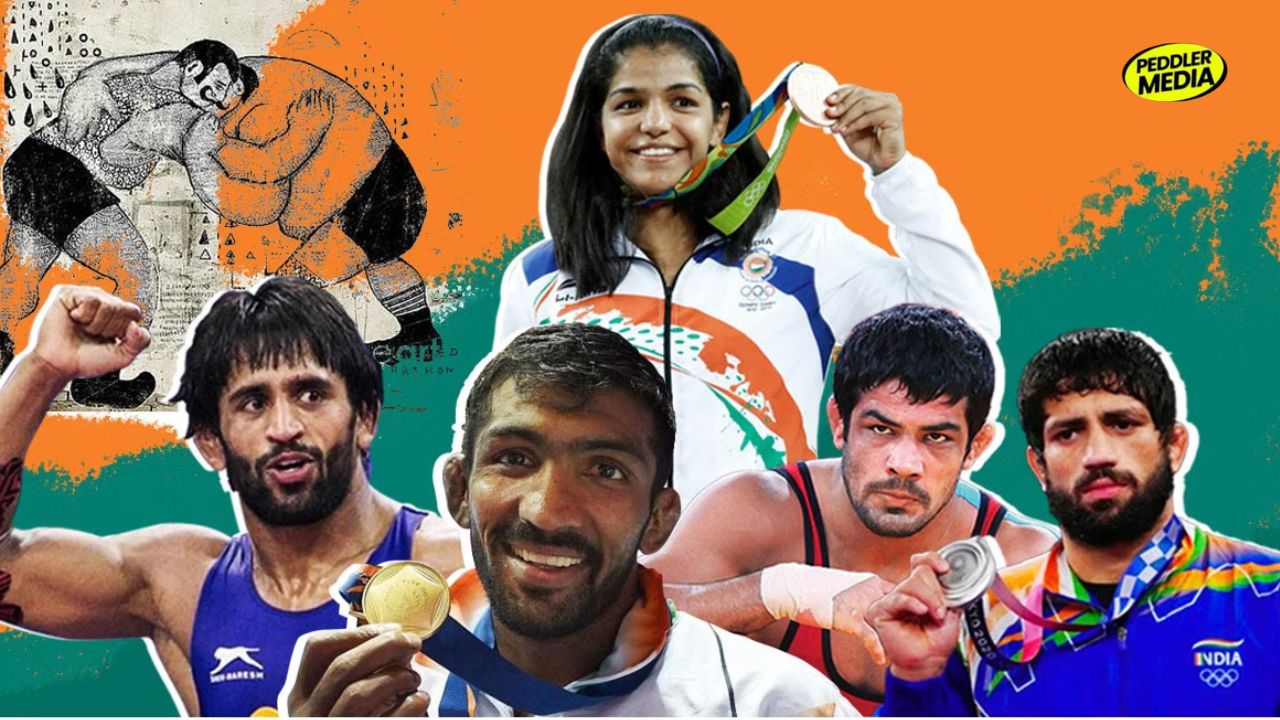
Haryana — home to just 2% of India’s population — sent 25% of India’s Tokyo 2021 contingent and claimed 4 out of 7 medals. At Paris 2024, Haryana Olympic medals dominated again: 5 out of India’s 6 medals came from Haryanvi athletes.
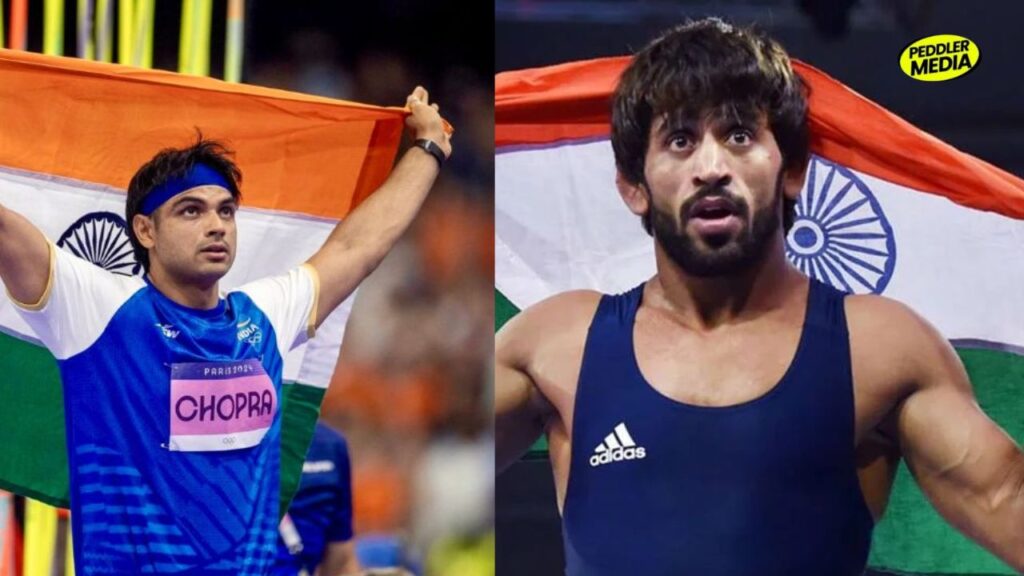
Neeraj Chopra. Manu Bhaker. Bajrang Punia. Ravi Dahiya. Aman Sehrawat. Sarabjot Singh. All from Haryana.
But here’s the twist that nobody talks about: Haryana doesn’t get the biggest chunk of India’s central sports budget. States like Gujarat and Uttar Pradesh receive a significantly larger share of central sports infrastructure funding — they’re the ones getting the shiny new mega stadiums and multi-sports cities. Haryana, by comparison, gets much less.
So how is the state with less money and no massive cricket stadiums still producing more Olympians than anyone else? Here are the 7 real, ground-level reasons.
1. Micro-Infrastructure Over Mega Stadiums
While other states spend thousands of crores building one giant stadium in one city, Haryana built over 1,500 local sports nurseries, akharas, and training centres spread across the entire state.
No kid in Haryana needs to travel to a city to access sports. The training ground is in the village. It’s local, accessible, and open every single day.
That’s a fundamentally different model — and Haryana Olympic medals are the proof it’s working.
2. Training Starts at Age 7
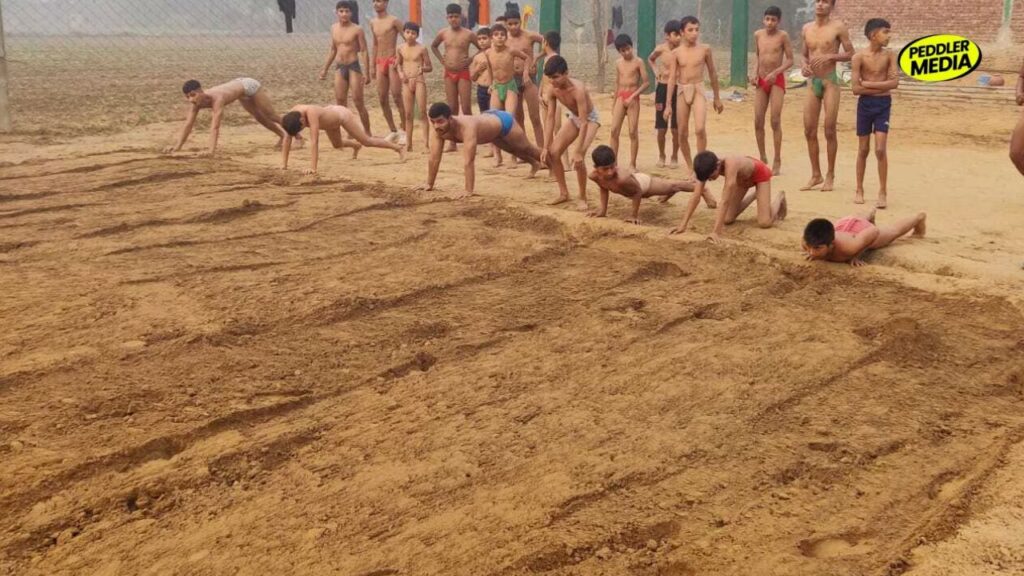
In Haryana, by the time a kid is 7 or 8 years old, the local coach or village elders have already spotted them and put them on a training track.
By the time athletes from other states are just getting started, a kid from Sonepat or Jhajjar has already been training for years in sun, dust, and heat.
Early specialisation creates elite athletes. Haryana figured this out long before it became a sports science buzzword.
3. The Army Built This Culture First
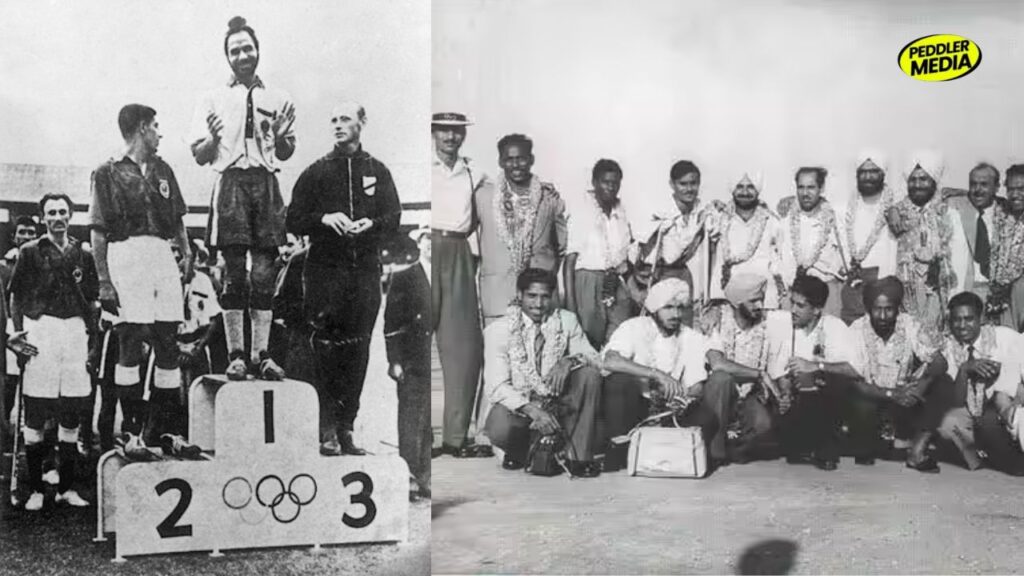
Before the Green Revolution of the 1970s, thousands of Haryanvi men joined the Indian Army. This army connection is one of the oldest roots of Haryana Olympic medals.
Many of these soldiers became national and international athletes through army-sponsored training. When they retired, they came back home — and they started coaching.
Wrestlers Lila Ram and Devi Singh, and long jumper Ram Mehar — all army veterans — were part of India’s 1956 Olympics contingent. They became the first coaches who built what Haryana’s sports culture is today.
That pipeline — Army → Athlete → Coach → Next Generation — is still running and remains the backbone of Haryana Olympic medals.
4. The Dairy Diet Is Not a Joke
Doodh Dahi ka Khaana, Isa Mahara Haryana
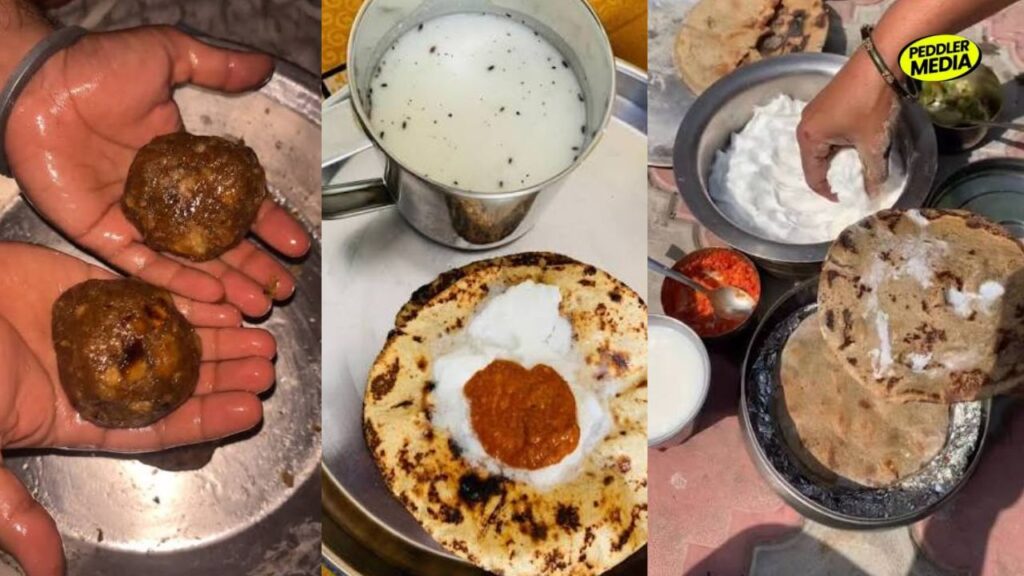
Haryana is one of India’s top states for per capita milk production. Desi ghee, dahi, and full-fat milk aren’t superfoods here — they’re just breakfast.
Generations of this diet have created a body type naturally suited to power sports. It’s one of the most underrated factors behind Haryana Olympic medals. When Bajrang Punia trains, he’s not eating supplements from a fancy sports nutrition brand. He grew up on the same diet his grandfather did.
That’s not a small thing. That’s biological edge built over decades.
5. The “Always Active” Warrior Mindset
Here’s a history angle that barely gets discussed. Haryana sits on the ancient route between the Sindhu River and Delhi. Every major invasion of the subcontinent passed through this land — Panipat alone hosted three of history’s most decisive battles.
For centuries, the people of this region had to stay physically alert, mentally sharp, and ready to fight at any moment. Heavy grains like bajra, jowar, and chana — foods that could be stored during conflict — became dietary staples.
That survival instinct didn’t disappear. It evolved. The same quick reflexes that kept Haryanvi ancestors alive on a battlefield now show up in a boxer dodging a punch, a wrestler flipping a hold, or a shooter steadying their breath under Olympic pressure.
It sounds cinematic. But culture is real, and this one runs deep.
6. Village Tournaments Kill Stage Fear Early
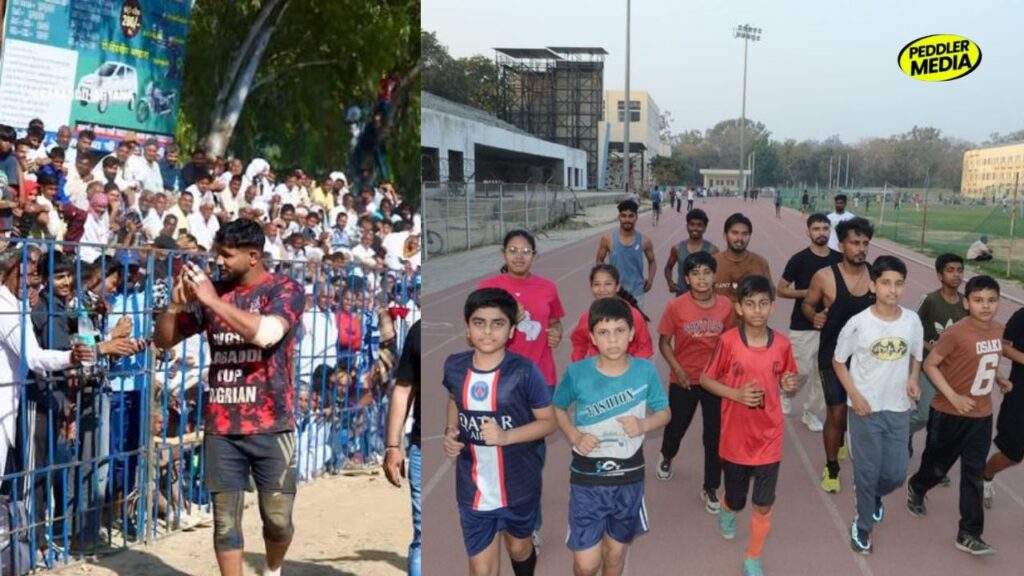
Most Indian states hold one major State Championship per year. If a talented kid is sick that day, or has a bad round, that’s an entire year gone.
In Haryana, local kabaddi matches, dangals, and district-level tournaments run throughout the year — village to village, month to month.
By the time a Haryanvi kid reaches a national championship, they’ve already competed in dozens of high-pressure matches. This match experience is a hidden secret behind Haryana Olympic medals — the stage fear is already dead.
7. A Medal Changes Your Family’s Life — Literally
This might be the most underrated reason of all.
The Haryana government has one of India’s most aggressive sports reward policies. After Tokyo 2021, the state distributed over Rs 23 crore in cash prizes to its athletes. Neeraj Chopra got Rs 6 crore. Ravi Dahiya got Rs 4 crore. After Paris 2024, Manu Bhaker got Rs 5 crore, Neeraj got Rs 4 crore.
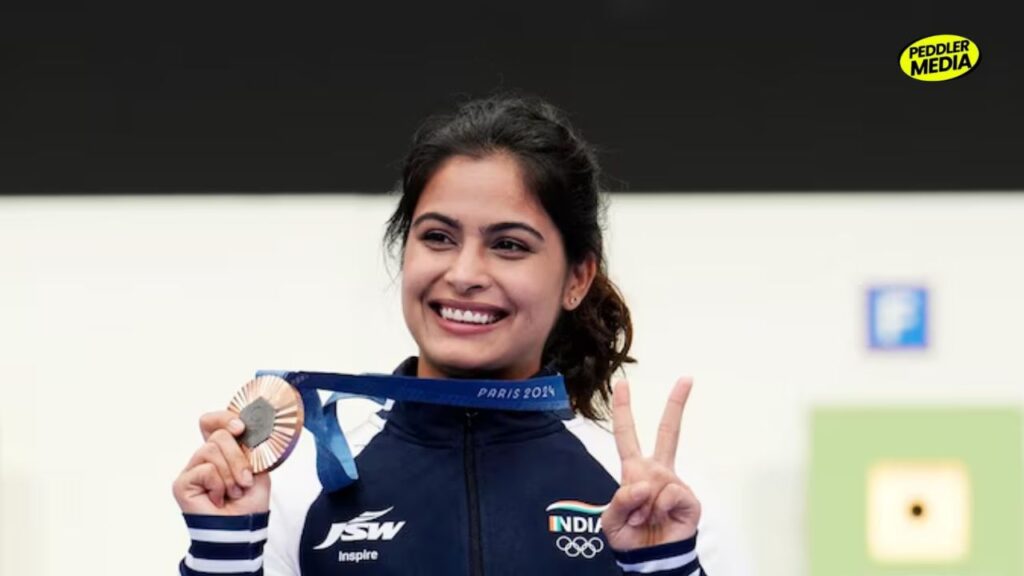
For a kid from a village in Rohtak or Bhiwani, that’s not just a medal — that’s generational wealth. That financial reward system is a direct reason behind Haryana Olympic medals. No wonder they train like their life depends on it.
It’s Not Just Wrestling Anymore
The biggest misconception about Haryana Olympic medals is that they only come from wrestling. Look at the actual spread:
Look at the actual spread:
- Shooting: Manu Bhaker (Jhajjar) became the first Indian to win two medals at a single Olympics. Sarabjot Singh (Ambala) won bronze alongside her at Paris 2024.
- Athletics: Neeraj Chopra (Panipat) is the only Indian to win back-to-back individual Olympic medals in track and field.
- Wrestling: Bajrang Punia, Ravi Dahiya, Aman Sehrawat — Sonepat’s wrestling belt keeps producing world-class grapplers.
- Boxing: Bhiwani is literally called “India’s Little Cuba” — a reference to Cuba’s boxing dominance. Vijender Singh came from here.
- Hockey: Shahabad, Haryana is the hub of India’s women’s hockey pipeline. Rani Rampal’s entire career started here.
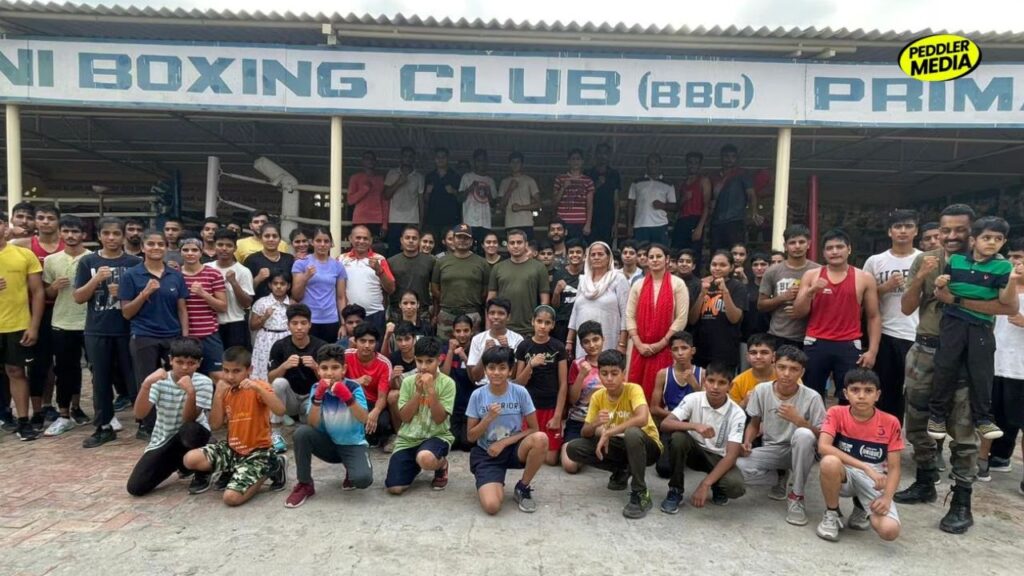
One state. Every sport. That is not a coincidence.
The Real Lesson Behind Haryana Olympic Medals
A shiny new stadium doesn’t build champions. Infrastructure alone doesn’t build champions.
Haryana Olympic medals don’t happen by accident. What builds champions is a combination of grassroots access, early training, community culture, economic motivation, and a system that rewards results — not just participation.
Haryana has all five. Most other states have one or two.
Until the rest of India replicates that model at the ground level — not just builds stadiums — Haryana Olympic medals will keep dominating India’s scorecard.
Haryana Olympic Medals Frequently Asked Questions
Why Haryana wins most Olympic medals?
Haryana wins the most Olympic medals because of village-level akharas, early childhood training, a dairy-rich diet, army sports culture, year-round local tournaments, and a government that pays crores to medal winners.
How many medals Haryana won in Olympics?
Haryana has won 13 individual Olympic medals since 2008 — Vijender Singh (Bronze, 2008), Sushil Kumar (Bronze 2008, Silver 2012), Yogeshwar Dutt (Bronze 2012), Sakshi Malik (Bronze 2016), Neeraj Chopra (Gold 2020, Silver 2024), Ravi Dahiya (Silver 2020), Bajrang Punia (Bronze 2020), Manu Bhaker (2 Bronze 2024), Sarabjot Singh (Bronze 2024), Aman Sehrawat (Bronze 2024). That’s more than 30% of all individual Olympic medals India has ever won.
Which sport Haryana is best at in Olympics?
Wrestling has given Haryana the most medals, but the state now dominates shooting, athletics, and boxing too.
Why Bhiwani is called India’s Little Cuba?
Bhiwani is called India’s Little Cuba because of its boxing culture that has produced multiple champions including Olympic medallist Vijender Singh.
Which district in Haryana produces most Olympians?
Sonepat, Jhajjar, and Bhiwani are Haryana’s top Olympic-producing districts.
Does Haryana government give money to Olympic winners?
Yes. After Paris 2024, Haryana gave Manu Bhaker Rs 5 crore, Neeraj Chopra Rs 4 crore, and Rs 2.5 crore each to other medal winners.
For more stories on Haryanvi sports, culture, and music —Follow Peddler Media For More Updates | Instagram | Facebook | Youtube | Pinterest