Beyond Dahi Handi: 5 Haryanvi Janmashtami Rituals You’ve Probably Never Heard Of
Forget standard Dahi Handi! Discover 5 rare, unique, and shocking Janmashtami traditions from rural Haryana that you won't find anywhere else.
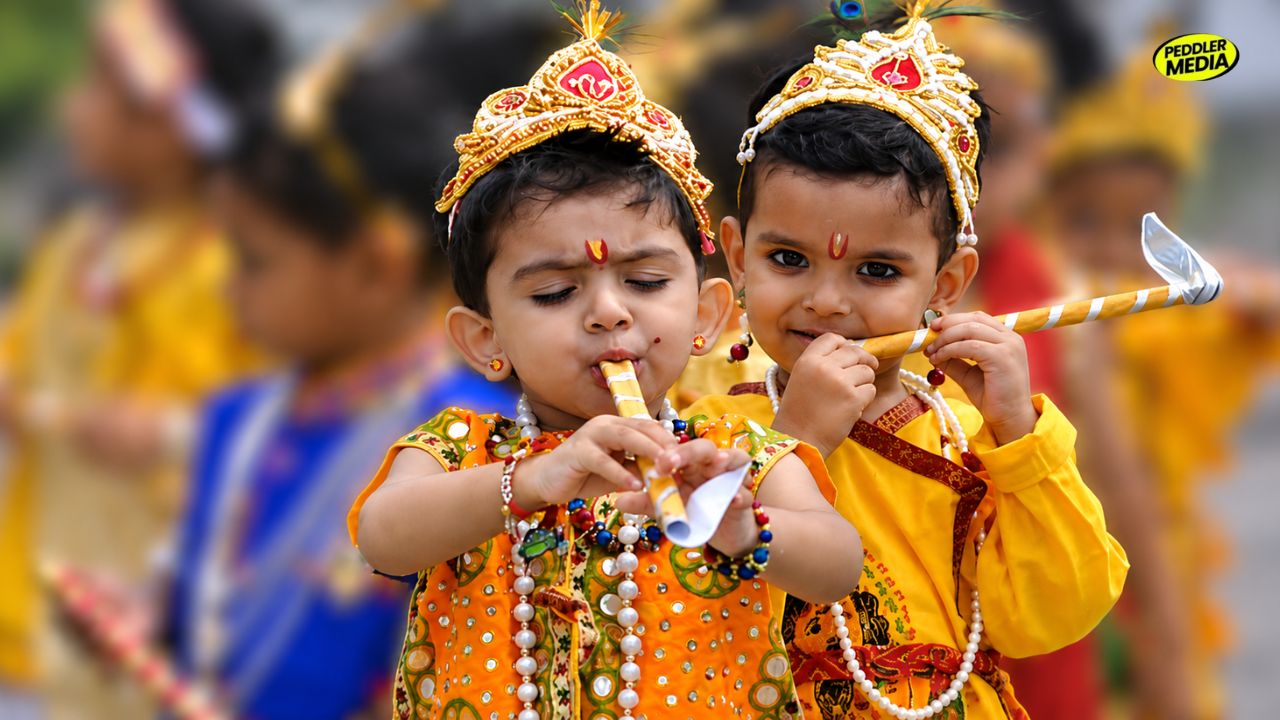
When people think of Janmashtami, they often picture Dahi Handi, huge celebrations, and crowded temples. But in the rural heartlands of Haryana, the festival reveals a deeply intimate, localized side.
Here, Haryanvi Janmashtami rituals are not just about prayers and fasting. Local families connect the festival with ancient folk songs, ancestral farming pacts, and unique community beliefs that are rarely discussed outside the region.
While these customs may not be followed in every single village today, they offer a fascinating look into a raw folk culture passed down through generations.
Here are 5 shocking Haryanvi Janmashtami rituals you have probably never heard of:
1. Singing Songs That Tease Krishna
Most mainstream Krishna bhajans praise him as a distant, divine figure wrapped in reverence. However, traditional Haryanvi folk songs take a far more intimate and playful approach.
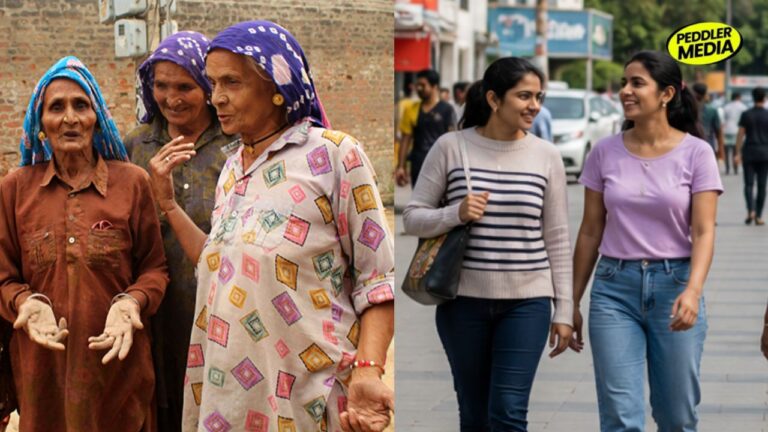
During festive afternoon gatherings, village women sing Jakkhadi-style folk songs where Krishna is directly teased, challenged, and even complained about for his infamous childhood tricks. Instead of treating Kanha like an unapproachable deity, these songs speak to him with the comforting, raw honesty of talking to a mischievous younger brother-in-law or neighbor.
This cultural tradition of playful mocking is called Ulahna (giving a complaint). The teasing is a deep expression of affection, blending ancient pastoral legends seamlessly into modern everyday village life.
2. Exchanging Pagris to Seal a Lifelong Brotherhood
In parts of southern Haryana, particularly across the vibrant Ahirwal region, an ancient tradition known as Pagdi Badal takes a deeply spiritual turn during Janmashtami.
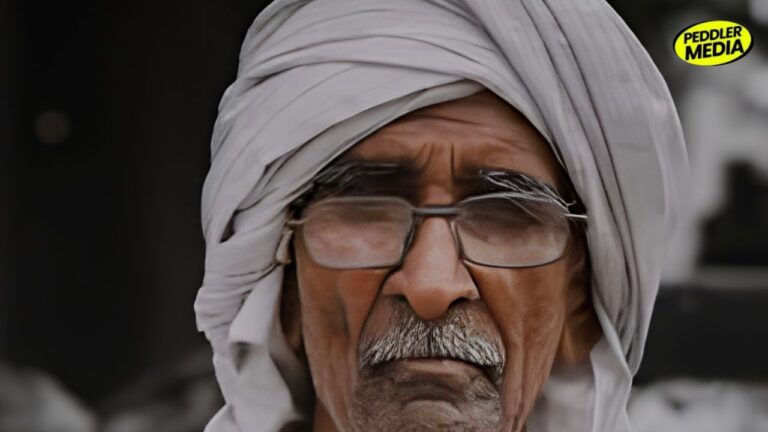
Inspired by the legendary, selfless bond between Lord Krishna and his childhood friend Sudama, two men swap their pagris (traditional turbans) in a highly respected ritual. This exchange goes far beyond a symbolic gesture of friendship; it acts as a sacred, lifelong blood oath.
Also Read:- 8 Hidden Road Trips & Monsoon Getaways in Haryana
Once the turbans are switched on this holy night, the two individuals—often coming from entirely different castes or communities—are considered sga (sagge) or blood brothers. From that moment forward, both families stand united, sharing financial, social, and emotional burdens through every major life milestone.
While this regional tradition isn’t practiced uniformly across all of Haryana today, it remains a powerful reminder of how Janmashtami is used to break social barriers and strengthen community brotherhood.
3. Placing Johad Clay as a Spiritual Protective Shield
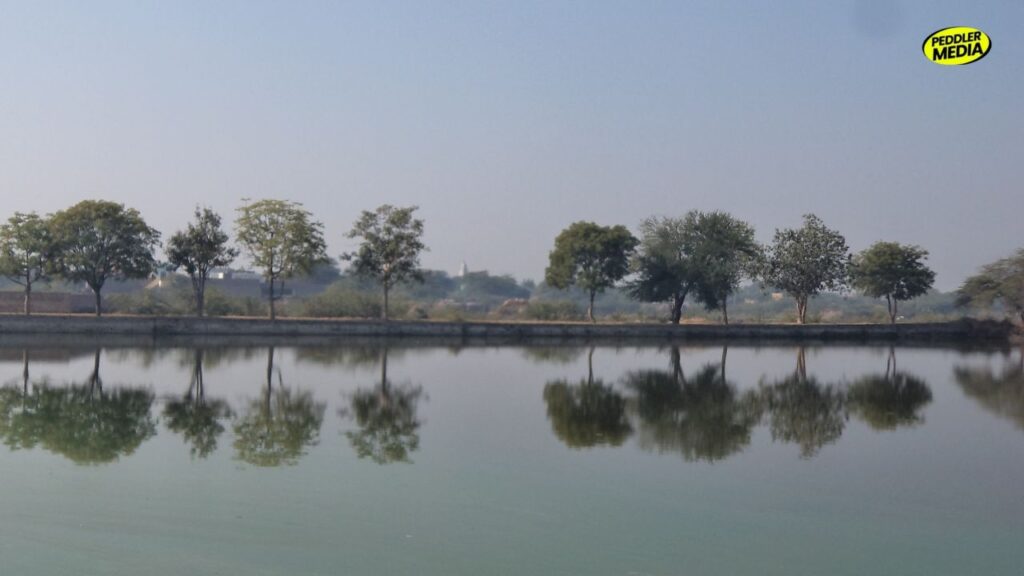
For Haryana’s rural communities, soil is a sacred lifeline. In a fascinating local tradition, Janmashtami evening involves retrieving wet, deep-bed clay from the local village pond, known as a johad.
Rather than standard temple rituals, the head of the household or young boys dig up this specific clay and bring it home to paste small, raw mud balls (pinds) directly onto both sides of the main entrance wooden frame.
According to deeply rooted folk beliefs, the cosmic energy generated at the exact midnight hour of Krishna’s birth charges this clay. This converts the simple mud into a protective shield, meant to guard the household, family members, and valuable livestock against diseases and bad omens for the coming year.
This practice highlights how deeply intertwined Haryanvi festive rituals are with the physical land, showcasing a timeless connection between agrarian survival and spiritual folk beliefs.
4. Kanha Utara: The Midnight Newborn Blessing
In many traditional Haryanvi households, local beliefs dictate that infants born during the past year require dedicated spiritual attention during the holy night of Janmashtami. This unique, protective custom is known locally as Kanha Utara.
The moment the clock strikes midnight and the birth of Krishna is celebrated, the newborn is brought before the family shrine. Family elders use the freshly prepared Charanamrit (a sacred liquid blend of raw cow milk, curd, and honey) to gently bless the infant’s forehead and chest.
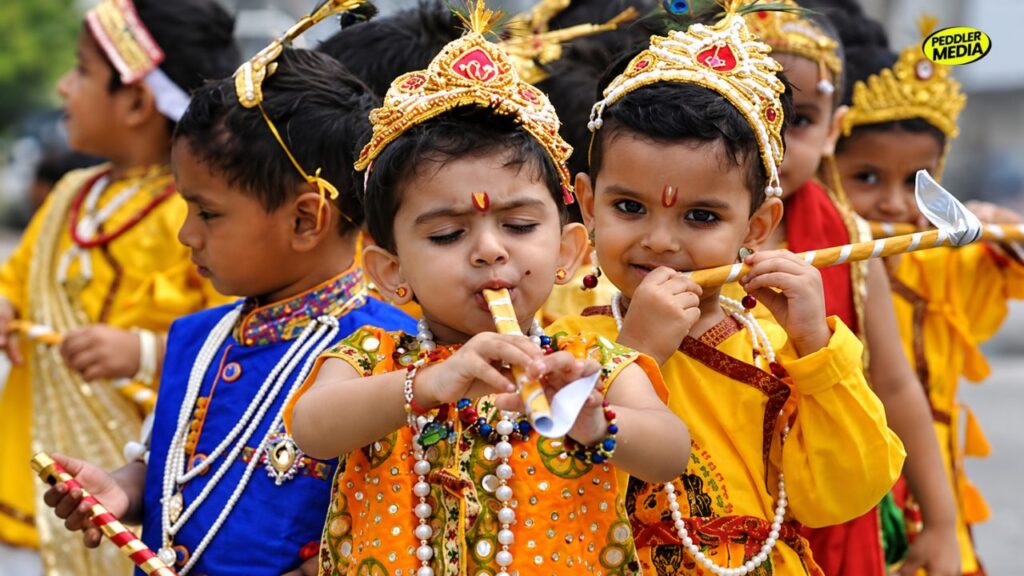
In a dramatic symbolic gesture, the baby’s old clothing is completely stripped off and left at the altar, signifying the permanent casting away of Nazar Dosh (the evil eye) and any lingering childhood illnesses. The child is then dressed in a fresh pair of vibrant yellow garments to welcome a healthy, protected future.
5. Bajra Thuli: Burying the Secret Agricultural Offering
For an agrarian Haryanvi family, a festival can never be completely separated from the hard work put into the fields. While urban devotees offer commercial sweets, the Haryanvi farmer relies on Bajra (pearl millet)—the ancient, resilient backbone of the region’s food culture.
On Janmashtami night, a rich, hand-pounded porridge called Bajra Thuli is cooked using pure homemade ghee and unrefined sugar. After the midnight prayers, a small portion of this dish is kept hidden behind the clay stove (chulha).
Also Read:- Beyond DJs & Lehengas: 10 Rituals That Make a Haryanvi Wedding
Before the sun rises the following morning, the farmer quietly carries this hidden offering out to the fields and buries it into the soil of the north-east corner. This act serves as a silent, sacred pact with Gopal (the protector of livestock and crops), praying for a bountiful agricultural season free from devastating locust attacks or drought. It beautifully reflects a timeless rural philosophy—where faith, farming, cattle, and survival are all deeply connected.
Krishna and Kurukshetra: Mahabharata Connection
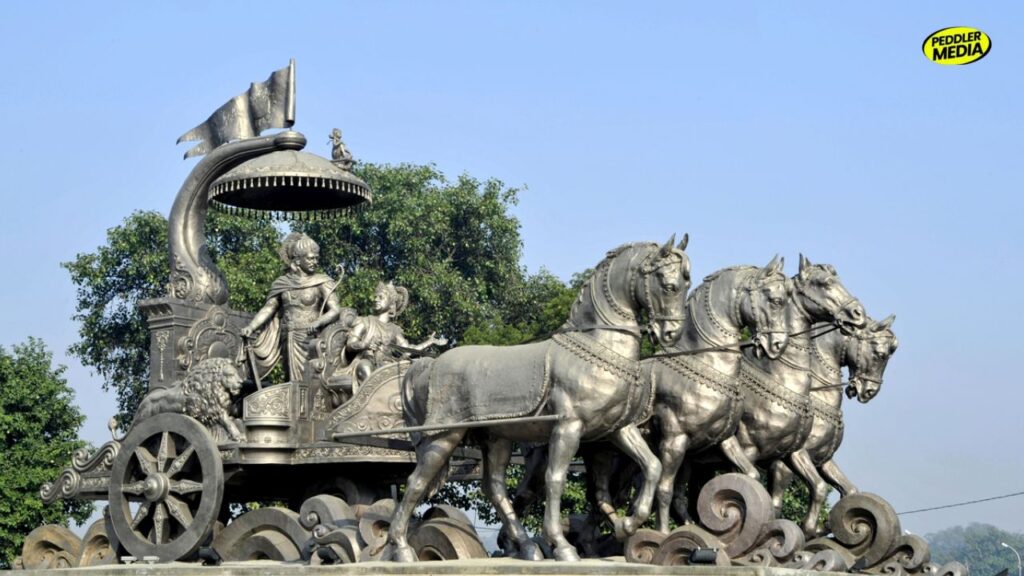
Haryana’s connection with Lord Krishna goes far deeper than typical Janmashtami celebrations. Kurukshetra, located in present-day Haryana, is revered worldwide as the historic battlefield where Krishna stepped up as Arjuna’s charioteer and delivered the timeless teachings of the Bhagavad Gita.
This completely shifts the perspective of Krishna’s presence in the region. While Braj, Mathura, and Vrindavan closely celebrate him as the playful child, the flute player, and the beloved of Radha, Haryana remembers him as the strategic guide who provided the courage and wisdom to face life’s ultimate battles.
Consequently, when Janmashtami is celebrated across Haryana, Krishna is never viewed as just a distant religious figure. His stories are deeply woven into the local geography, ancestral history, and cultural identity. But beyond these famous epic narratives, a handful of raw, localized folk traditions make the festival even more fascinating.
Why These Haryanvi Janmashtami Rituals Matter
The most beautiful thing about these Haryanvi rituals is that they do not come from formal religious textbooks. Instead, they belong completely to the world of oral stories, family traditions, and old village folklore.
While some of these customs are slowly disappearing among the younger generation, others are still kept alive by a few traditional families. This is exactly why documenting them is so important. Janmashtami in Haryana is not just a religious holiday; it is about remembering the songs, food, and deep community bonds that have shaped our village life for generations.

Peddler Media is the first formal digital portal in the country documenting Haryanvi pop culture completely unfiltered. If you are an underground artist, have a viral story, or got a raw news scoop, head straight to our Submit a Tip page and drop the details with us.
Follow Peddler Media For More Updates | Instagram | Facebook | Youtube | Pinterest