Google’s AI Said “Haryanvi” on a Global Stage. We Need to Talk.
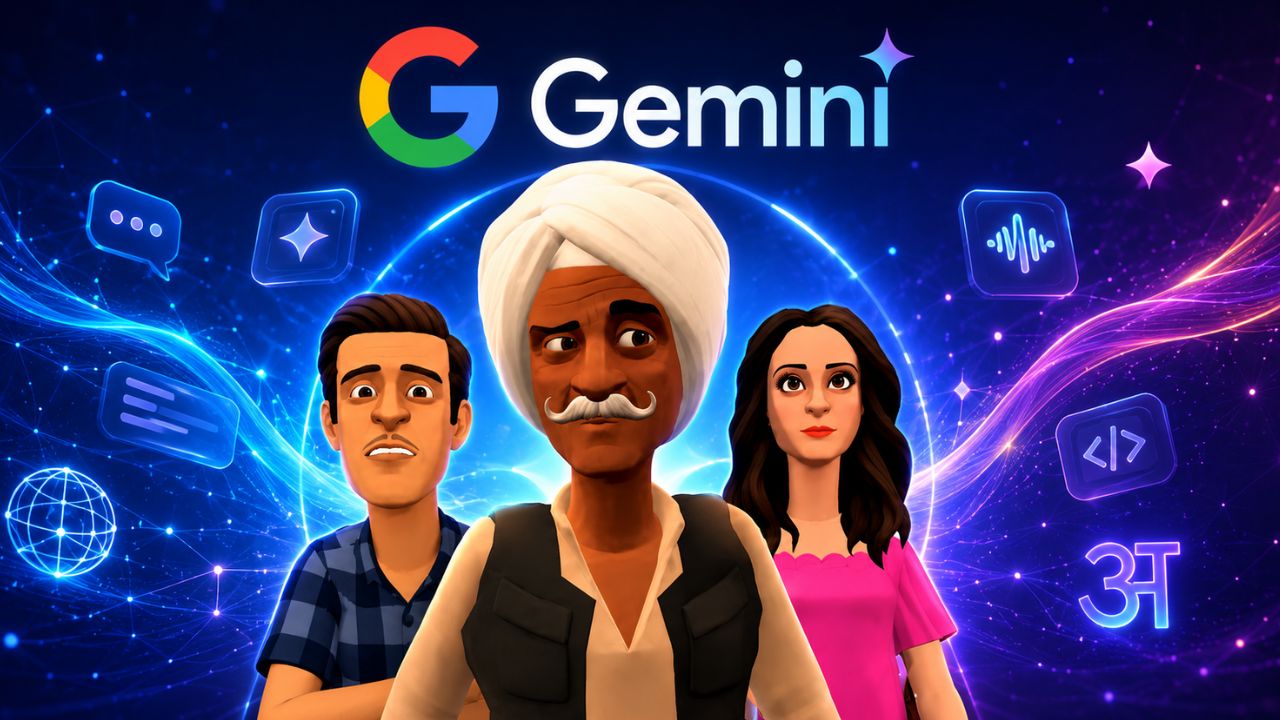
It’s Google I/O 2026 — the biggest tech event on the planet. The world’s top engineers, developers, and journalists are watching the global keynote presentation. And then, in the middle of a live Gemini demonstration showcasing deep regional capabilities, Google’s most advanced AI opens its mouth and says:
“Mare Bharat varsh me saikado dhal ki boli boli jave hai. Ib Gemini unme ta kai aur boliya me ta baat kr sake se. Jaise aapni dhakad Haryanvi.”
Silicon Valley. Main stage. Global livestream. Haryanvi. Not Hindi. Not Tamil. Not even Punjabi — which has 10x more speakers worldwide.
The dialect of Haryana, Rohtak, Hisar, Panipat, and every Scorpio convoy that’s ever ruled a state highway just became the language of the future. The desi internet, predictably, went absolutely feral.
What Actually Happened at Google I/O 2026?
Here’s the full breakdown for anyone who missed the Google IO Haryanvi moment that broke the Indian internet.
At Google I/O 2026 (May 20), Google unveiled Gemini Spark — a powerful new AI feature focused on making conversations feel more local, more natural, and more human. During the live keynote demo, Gemini Live responded in full, fluent Haryanvi dialect — complete with the tone, rhythm, and swagger that no textbook Hindi could ever replicate.
But it didn’t stop there. One week later, at the Google Leaders Connect event in New Delhi (May 27), Manish Gupta — Senior Director at Google DeepMind — made it official on the record:
“Hindi is different when it is spoken in Haryana versus Uttar Pradesh versus Bihar.”
He confirmed that Gemini’s voice models now support several Indian languages and dialects, including Haryanvi and Bhojpuri — and credited Google’s India teams for driving much of this capability forward.
Two events. One very loud message: Gemini Haryanvi AI is real, it’s here, and it’s not going anywhere.
Read More:- Haryanvi Is Not Just a Dialect — It’s a 3000-Year-Old Language That Refused to Die
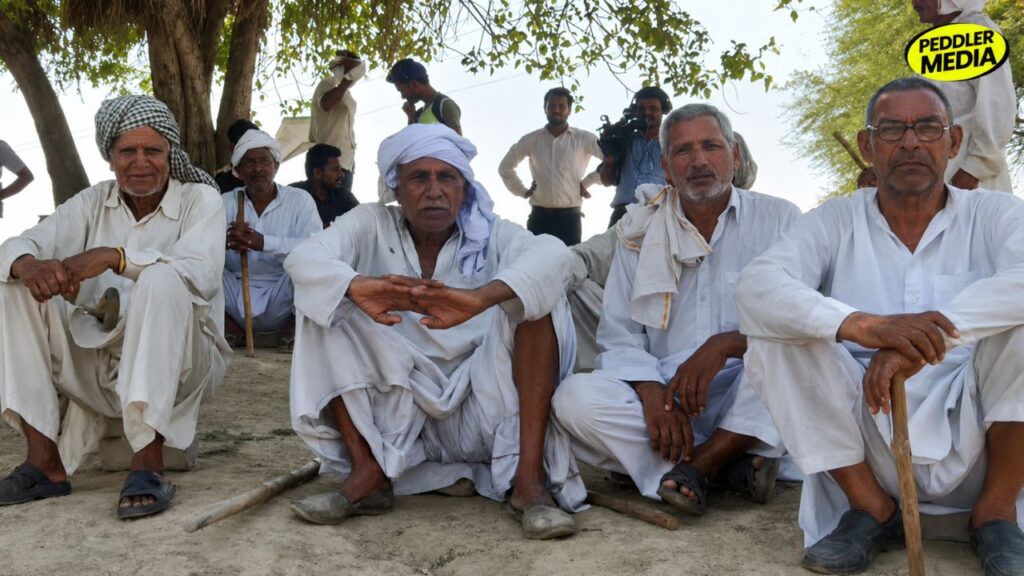
Google Didn’t Pick Haryanvi Out of Love. They Picked It Because of This.
Google doesn’t make moves based on feelings. They make moves based on data. So when Google picks your dialect for a global stage reveal — that means the numbers said so. Here’s what those numbers look like.
1. The ‘Greater Haryanvi’ Internet Belt Google Cannot Ignore
Forget state borders. There’s an unofficial internet empire stretching across Haryana, Delhi-NCR, Western UP, and Rajasthan’s border districts — Alwar, Sikar, and beyond.
This belt doesn’t scroll passively. It creates trends. It makes things viral overnight. It loops tracks at 2 AM and pushes them to the top of every chart by morning. Smartphone penetration? Sky-high. Mobile data consumption? Among the heaviest in India.
The Google Gemini App needs users who actually engage. This belt is engagement on steroids — and Google’s data teams have known it for years.
2. When Haryanvi Music Hit 7x, the Algorithms Had No Choiced Their Hand
You cannot look away from these numbers.
Spotify India recorded a 7x surge in Haryanvi music streams. Bairan by Banjaare hit #1 on Billboard India — with zero Bollywood backing, zero industry machinery, pure fanbase power. Artists like Dhanda Nyoliwala (Kohram), Masoom Sharma, and Amanraj Gill are pulling tens of millions of views every single month.
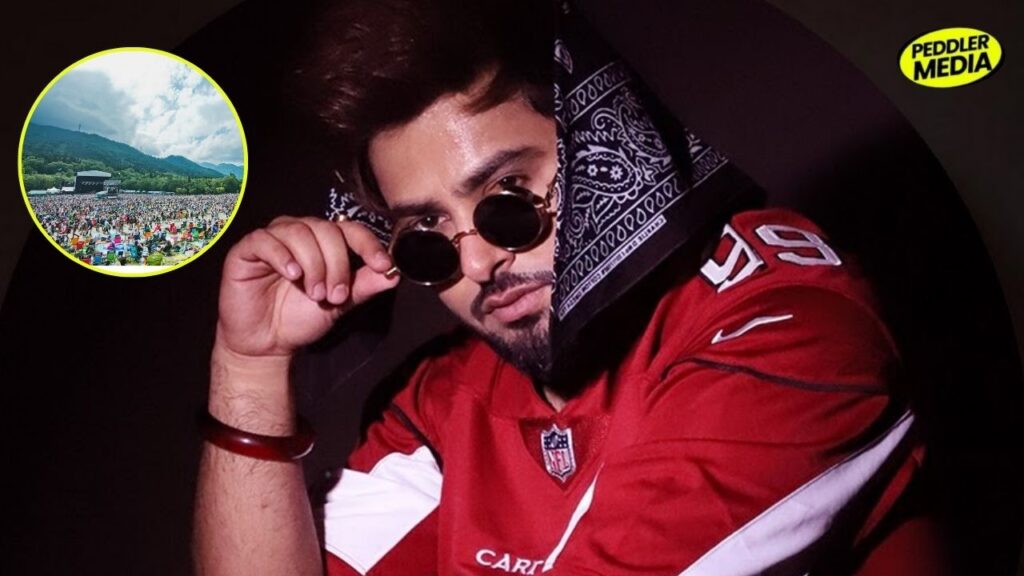
When a regional dialect’s music is beating industry-backed productions on global streaming charts, the recommendation algorithms sit up. The AI companies take notes. And eventually, the world’s biggest AI shows up on the world’s biggest stage speaking your language.
Gemini Haryanvi AI didn’t happen because Google loves us. It happened because our music made ignoring us impossible.
3. Global Diaspora That Refuses to Assimilate
Here’s the angle most coverage missed: Haryanvi culture didn’t stay in Haryana.
Thousands of young Haryanvi students and workers have moved to the USA, Canada, Australia (Melbourne and Sydney), and Dubai. But unlike communities that slowly blend in, these ones built parallel cultural pockets — loud, proud, and deeply connected to home.
They blast Haryanvi AI Voice-compatible tracks on Canadian highways. They run tight diaspora groups like the Australian Haryanvi Association. They make reels from abroad that go viral back home before the algorithm even catches up.
For Google, this isn’t just a cultural story — it’s a business signal. A globally distributed, digitally active, high-spending demographic actively seeking AI that understands their slang, their humor, and their cultural references. Gemini Live Haryanvi is that answer.
4. We Simply Run the Engagement Game
Let’s drop the modesty. This belt controls the Indian internet’s mood. A meme format gets born here and copied nationally within 48 hours. A sound goes viral here before it trends anywhere else. When this audience loops a track, it climbs the charts. When it shares something, a million views happen before most of India has had its morning chai.
Google didn’t pick Haryanvi out of affection. The data told them to. The most digitally aggressive, culturally confident consumer base in North India speaks this dialect — and any AI that wants to win the Indian internet needed to speak it too.
Manish Gupta: The Moment It Got Official
The I/O demo was the viral spark. But what made this a landmark moment was what came after.
When Manish Gupta of Google DeepMind stood up at Google Leaders Connect in Delhi and said “Hindi is different when it is spoken in Haryana versus” — he wasn’t making a cultural observation. He was making a technical statement.
View this post on Instagram… A post shared by Peddler Media
Google’s AI has been trained to understand not just what you say, but how your region says it. The accent. The cadence. The slang. The vibe. That’s what Gemini Neural Expressive voice features India rollout is all about — and Haryanvi is leading the charge.
This isn’t a gimmick. This is Google DeepMind’s official position on how AI should communicate with India. And they started with us.
This Isn’t Just a Tech Update. It’s a Culture Shift.
The Gemini Haryanvi language support update signals the end of one era and the beginning of another.
For decades, AI and tech defaulted to “neutral” language — sanitised, accent-free, designed to offend no one and connect with no one either. That era is over.
Real people don’t talk in textbook language. They use slang. They carry cultural shorthand in every sentence. An AI that sounds like a government announcement will always lose to one that sounds like your bestie from Rohtak.
Google just put a flag in the ground. The AI that wins India won’t be the one with the most parameters — it’ll be the one that actually sounds like the people using it. Right now, that sounds a lot like us.
Read More:- These 8 Hidden Haryanvi Festivals Are The Real Cultural Gold
- Haryana’s 2,000-Year-Old Buddhist Secret That Your History Books Forgot to Tell You!

- Beyond Dahi Handi: 5 Haryanvi Janmashtami Rituals You’ve Probably Never Heard Of
- 5 Haryanvi Songs That Explain Haryana Better Than Google



Google making Gemini Haryanvi AI global — on the world’s biggest tech stage, confirmed by a Senior Director of Google DeepMind — is not just a tech update. It is a full culture moment.
Our music made the algorithms notice. Our diaspora made the business case. Our internet dominance made the decision inevitable.
Next time someone tells you Haryanvi is “just a local dialect,” show them the Google I/O 2026 timestamp. And then send them Manish Gupta’s quote. The system is global. And it’s dhakad.
FAQ — Everything You Want to Know About Gemini Haryanvi
What is Gemini Haryanvi AI and where was it introduced?
Gemini Haryanvi AI is a regional dialect feature of Google’s Gemini Spark, introduced at Google I/O 2026 on May 20, 2026. During the live keynote, Gemini Live spoke fluent Haryanvi on stage — the first time a regional Indian dialect was showcased at Google’s global developer event.
Q2. Where to watch the Google Gemini Haryanvi live demo video?
Yes! The viral clip from Google I/O 2026 is widely available on Instagram Reels, YouTube, and X (formerly Twitter). Search “Gemini Haryanvi live demo” or “Gemini Spark Haryanvi I/O 2026” to find the original footage.
Q3. How to change Gemini language to Haryanvi?
Google announced that regional dialect support — including Haryanvi — will roll out in the coming weeks after I/O 2026. To enable it: open the Google Gemini App → Settings → Voice & Language → Regional Dialect. The feature is part of Gemini Live. Keep your app updated to get it as soon as it drops.
Q4. How to talk with Gemini in Haryanvi dialect?
Once the Gemini Live Haryanvi dialect option is available in your app, simply select Haryanvi from the dialect settings and activate Gemini Live. Gemini will understand and respond in Haryanvi naturally — no special commands needed.
Q5. Gemini Haryanvi feature free or paid?
Google I/O 2026 announcements indicate that regional dialect features in Gemini Live will roll out to paid subscribers (AI Plus, Pro, Ultra) first, followed by a broader rollout. Basic Gemini app users may get limited access — check the Google Gemini App for the latest tier details.
Q6. Google Gemini Haryanvi Live Android settings?
Open Google Gemini App
Tap your Profile picture
Go to Settings → Gemini Live
Tap Voice → Choose Regional Dialect
Select Haryanvi.
Q7. What is Gemini Neural Expressive voice and how does it relate to Haryanvi?
The Google Gemini Neural Expressive voice feature is a new design language launched at I/O 2026 that makes Gemini sound more natural, human, and conversational. It’s the underlying tech that powers the Haryanvi dialect support — instead of robotic AI speech, you get a voice that actually carries the rhythm and tone of the dialect.
Q8. Who is Manish Gupta and why does his statement matter?
Manish Gupta is the Senior Director at Google DeepMind, leading AI research teams across India and Japan. When he officially confirmed at Google Leaders Connect (New Delhi, May 27, 2026) that Gemini’s voice models support Haryanvi, it transformed the I/O demo from a viral moment into an official Google DeepMind commitment.
Q9. Will Gemini support more Haryanvi slang and sub-dialects in the future?
Based on Manish Gupta’s statement that “Hindi is different when spoken in Haryana versus UP versus Bihar”, Google’s roadmap is clearly moving toward deeper dialect understanding — not just surface-level translation. More nuanced Haryanvi support is likely as the Gemini Haryanvi language support update continues rolling out.
Q10. Why did Google pick Haryanvi over other regional dialects?
The short answer: data. Haryana + Delhi-NCR + Western UP forms one of India’s most digitally active internet belts. Combined with the 7x surge in Haryanvi music streams on Spotify, a massive global diaspora, and a fanbase that dominates social media engagement — Google IO Haryanvi wasn’t a surprise. It was inevitable.
Follow Peddler Media For More Updates | Instagram | Facebook | Youtube | Pinterest