MC Square’s Verse in “Long Way from Home” Will Make Every 90s Haryanvi Kid Cry
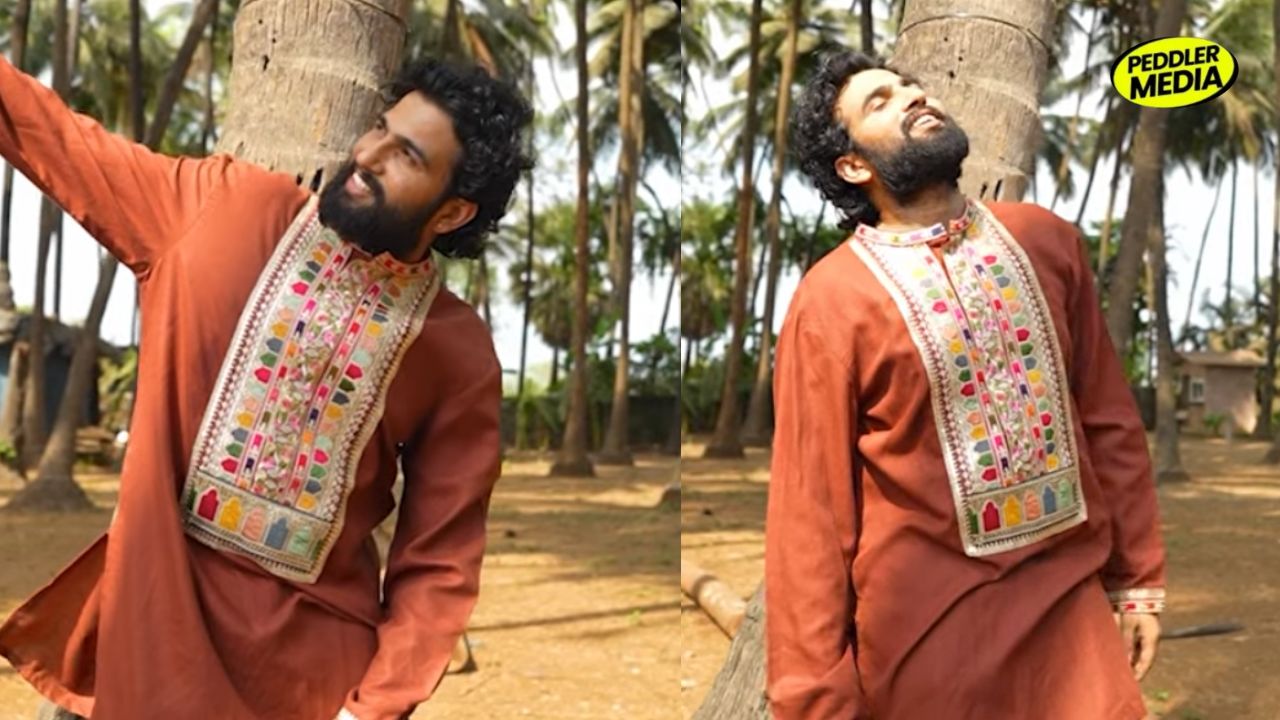
There’s a verse going around right now that isn’t asking for your attention. It’s just taking it. No viral dance. No Instagram hook. Just a man, a crow, and the specific grief that comes from watching your childhood quietly disappear.

That man is MC Square. His last verse on “Long Way from Home” — a track from The Local Kid EP featuring Radhika Bhide and Wicked Sunny — is hitting every person born between 1990 and 2000 in the Hindi belt somewhere they forgot was still sore.
What Is MC Square Actually Saying?
The verse opens with a neem branch in a dream. A half-empty courtyard. A mustard field. A mother crouched beside a mud stove making rotis that tasted like nothing you’ve had since.
MC Square isn’t telling you a story. He’s handing you a photograph you buried years ago.
“Ek kolhu waala khet mera, milge das khogya ek mera” — he had fields, a bullock oil-press, a life rooted in something real. Then came the malls, the phones, the gigs. He gained ten things. He lost the one thing that made him himself. That math never adds up — you just figure it out too late.
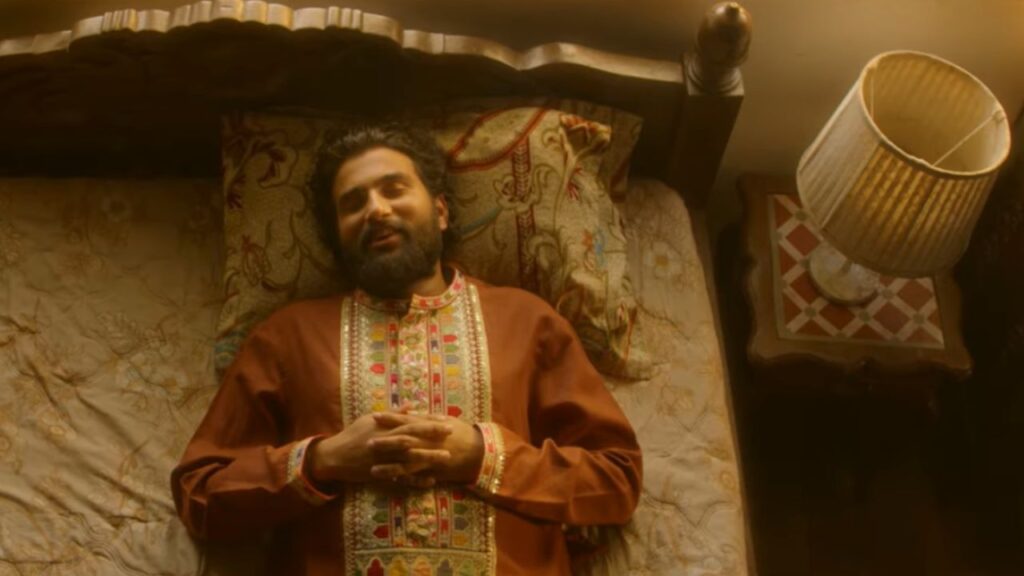
Every image he uses is load-bearing:
- Neem ki daali — the tree that was your village’s pharmacy, dentist, and childhood memory all in one
- Choolhe aage poti maa — the grandmother at the mud stove. This one line carries more weight than entire albums
- Charkha khaa liya deemak ne — the spinning wheel eaten by termites. Not destroyed. Just made irrelevant. Somehow that’s worse
- Beshak kabje me jang lagi — the lock is rusted but the door is still open. The house doesn’t know it’s been abandoned
And then the chorus. “Re kaaya khaali deemak ne, bacha kuch dhore na mere.” The body hollowed out. Nothing left. He’s not screaming it. He’s reporting it. That’s what makes it devastating.

Why the Crow?
“Oh kaaga sunta jaiyo re.” In Rajasthani and Punjabi folk tradition, the kaaga — the crow — is the messenger between the living and the gone. Women talked to crows when they needed to send word to someone they could never reach again.
MC Square is talking to the dead. To a childhood that isn’t coming back. He’s not asking the crow to deliver a message. He’s just asking it to listen, because no one from that world is left anymore.
That’s not a rap verse. That’s a folk elegy dropped inside a modern EP.
Why This Generation Feels It So Hard
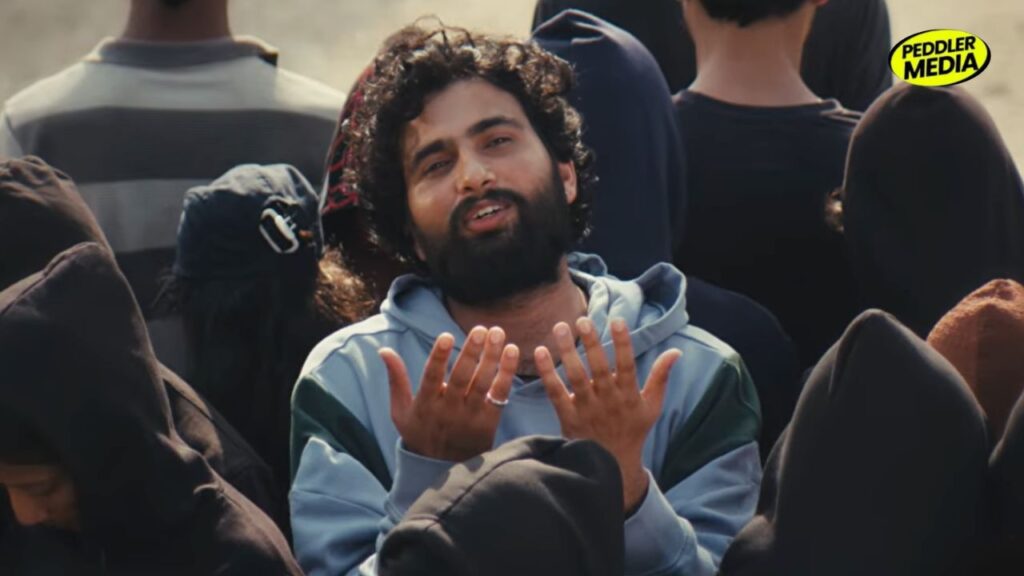
The 1991–2000 kids grew up in the exact window when India was shedding its skin. Old enough to remember the mud stove. Young enough to have a LinkedIn profile. Fluent in both worlds but fully belonging to neither.
MC Square isn’t singing about poverty or hardship. He’s singing about the specific grief of watching something beautiful get replaced by something efficient. The kolhu didn’t break. It just became irrelevant.
Read More:- This Haryanvi Song Shows the Real Side of the Industry
- A Small Haryanvi Village Was Just Built Inside HAU Hisar

- You think “Concert Culture” is a Western thing? Haryana did 100 years ago.
- Haryana’s 2,000-Year-Old Buddhist Secret That Your History Books Forgot to Tell You!



“Long Way from Home” is already a strong track. But MC Square’s closing verse turns it into something else entirely — a time capsule for everyone who grew up between a gaon and a city and never fully landed in either.
It won’t top any chart. It doesn’t have a dance step. But it has a crow. And the crow is listening. Go hear it. Then sit with it for a minute.
Tag that one friend who still talks about their naani’s gaon like it was yesterday.
Follow Peddler Media For More Updates | Instagram | Facebook | Youtube | Pinterest