Haryanvi Pop Culture: How Regional Identity Became India’s New Mainstream Powerhouse
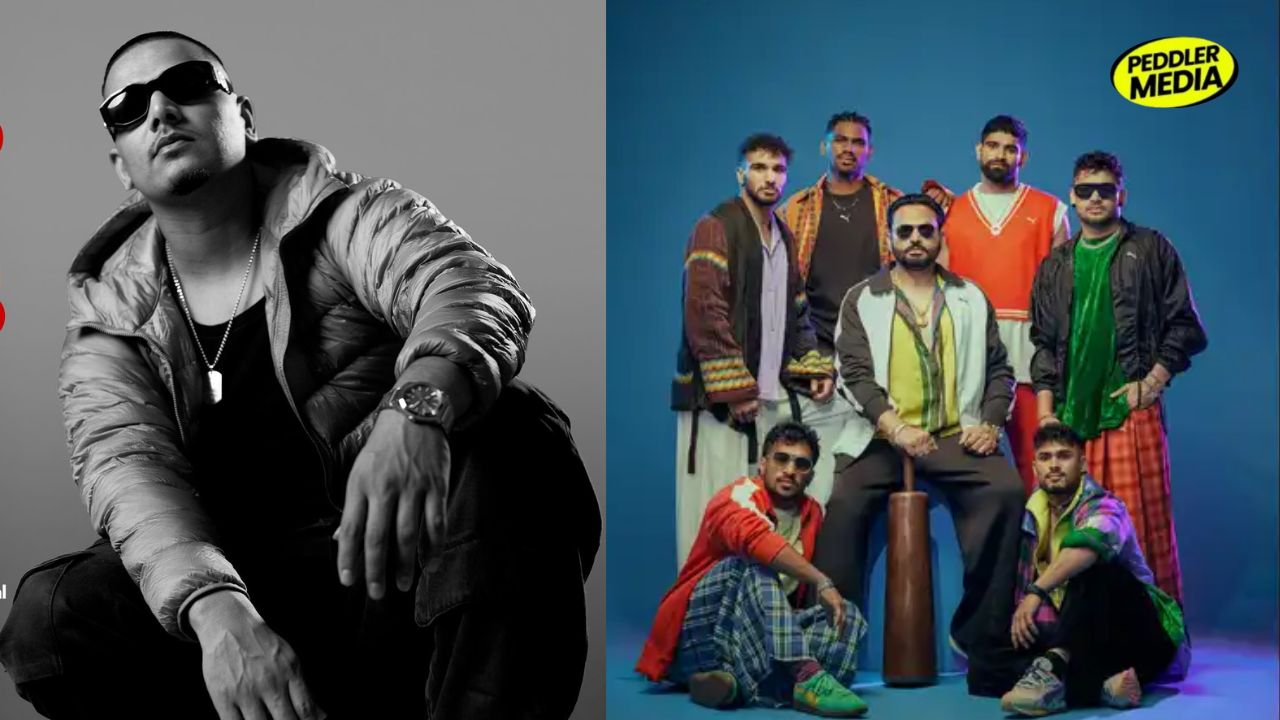
Let’s be honest. For the longest time, mainstream media looked at Haryana through a very lazy, filtered lens. It was all about high-end modified Thars, loud slow-mo reels, and flashy music videos shot in village courtyards. But if you think Haryanvi pop culture is just a passing internet trend, you are missing the entire picture.
The cultural landscape of Northern India is undergoing a massive, loud seismic shift. From the rugged arterial highways of Rohtak and Jhajjar to the global viral charts of Spotify, Haryana has officially shattered its regional glass ceiling. It has mutated into a multi-million-dollar mainstream powerhouse that dictates India’s music, fashion, and internet trends.
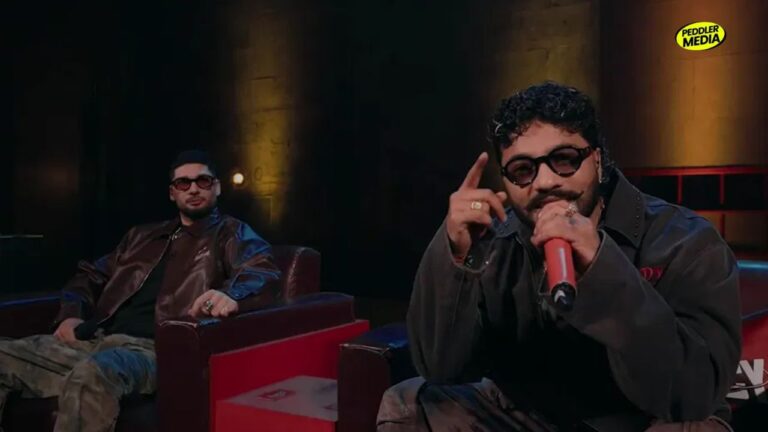
However, at Peddler Media, through our flagship podcast “For Haryanvi, By Haryanvi,” —which spanned 15 episodes and featured 16 absolute industry heavyweights—we sat down with the scene’s biggest insiders.
We talked to everyone from Senior Journalist Mandeep Punia to hit Music Producer Sunil Balhara (the brain behind Dhanda Nyoliwala’s iconic track Maruti) and Lyricist Divesh Khatana to get the real, unfiltered story behind this culture.
What we uncovered is a complex ecosystem of massive monetization, underlying psychological patterns, studio cartels, and an unprecedented cinematic renaissance. Here is the definitive, unfiltered analysis of the Haryanvi Wave.
1. The Monetization Shift: Paid Subscriptions & The Delhi-NCR Internet Capital
For years, the financial backbone of Haryanvi music was purely horizontal—relying heavily on free YouTube views and physical local events. Today, the industry has transitioned into a highly structured, vertically integrated multi-crore business. Between February 2023 and February 2026, Haryanvi audio streaming on platforms like Spotify and JioSaavn witnessed a staggering 7x growth.
This structural shift is driven by two primary macroeconomic factors:
- The Premium User Density: While internet penetration is uniform across India, the high-paying consumer demographic is heavily concentrated in the Haryana-Delhi-NCR belt. The modern generation of Haryanvi listeners is aggressively moving away from ad-supported free tiers. They are actively paying for premium app subscriptions, directly inflating the per-stream payout (Royalty) for independent artists.
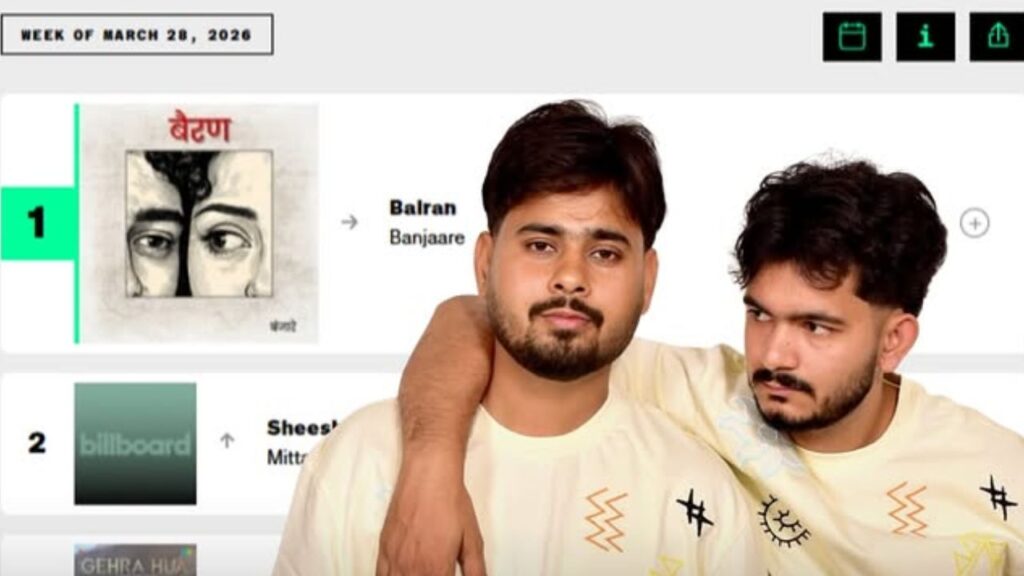
- The Global Diaspora Factor: Tracks like the Banjaare duo’s ‘Bairan’ and Mitta Ror-Swara Verma’s ‘Sheesha’ didn’t reach the top spots on the Global Daily Viral Songs chart by fluke or Bollywood backing. They climbed the charts because of massive outward migration. Students, blue-collar workers, and young professionals from Haryana have relocated globally (to Australia, Canada, and the UK), carrying their hyper-local playlists with them.
2. The Psychology of ‘Self-Glorification’: Bhaichara vs Badmashi
One cannot dissect Haryanvi lyrics—whether it’s Dhanda Nyoliwala’s Black Ride or Masoom Sharma’s gritty anthems—without confronting the hyper-masculine themes of Bhaichara (brotherhood), Zimidari (agrarian pride), and Badmashi (attitude).
Speaking exclusively on our podcast, Senior Journalist Mandeep Punia provided a stellar psychological breakdown of this phenomenon, defining it as “Self-Glorification.”
“Consider a young boy whom society or the academic system has labeled a failure or ‘Nalayak.’ When that same boy breaks through via digital media and scores a hit, his immediate psychological response is self-glorification. His lyrics become his armor. He tells the world: ‘Look at my caravan of 50 guys, look at my luxury cars, look at where I vacation.’ From Dhanda to Masoom, the underlying structural pattern remains the same—it is a raw, defensive assertion of identity by an underdog who was once rejected by the mainstream.”
While critics argue this glorifies a culture of confrontation, insiders view it as a raw form of youth empowerment—giving a loud, unapologetic voice to a demographic that traditional media ignored.
3. Behind-the-Scenes: The Rise of Studio Cartels and Labels
As the financial stakes have grown, the Haryanvi music industry has shed its informal, “friendly” skin. It is rapidly mimicking the camp-politics and corporate rivalries of the older Punjabi music industry.
During For Haryanvi By Haryanvi (Season 1), hit music producer Sunil Balhara and lyricist Divesh Khatana pulled back the curtain on internal industry gatekeeping:
- The Lobby System: When a rising singer collaborates with a specific music producer, an insular lobby begins to form. Groupism dictates who gets access to top-tier beats and poetry.
- Passive Gatekeeping: If an independent artist tries to break out of a specific circle, the established camps use passive-aggressive tactics. A producer might unofficially block an artist by quoting astronomical, unaffordable fees. Alternatively, they might put an artist’s track on an infinite loop—accepting the project but delaying the final recording and mixing indefinitely while prioritizing their own camp members.
4. The Gender Dynamic: Beyond the ‘Women Card’ to Radical Inclusion
The evolution of female artists in Haryana reflects a deep, ongoing cultural negotiation. The era was long dominated by the singular, massive shadow of Sapna Choudhary. However, as insiders note, Sapna operated in a highly insular, defensive ecosystem of her own—often relying on a fiercely independent worldview where she vocalized that female artists rarely receive genuine systemic support.
Today, the landscape is expanding rapidly past the “women card” narrative. A highly diverse, competitive wave of female vocalists and creators has emerged:
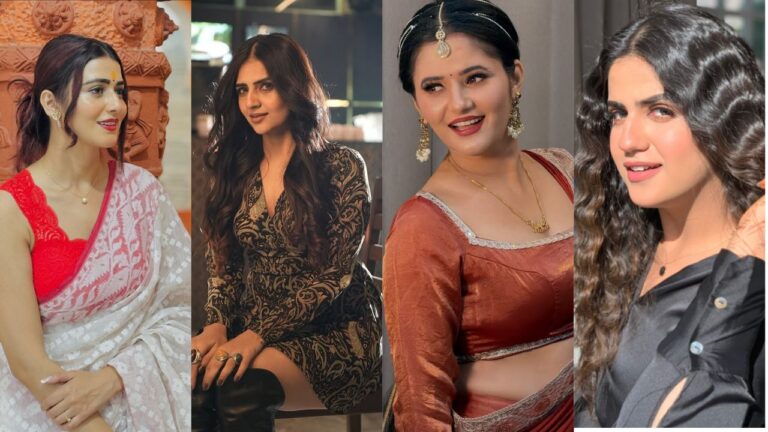
- The Mainstream Shifters: Artists like Renuka Panwar, Ruchika Jangid, Shiva Choudhary, Swara Verma, Ashu Twinkle, and Jay Rohila are completely redefining the sonic template. They are no longer just backing vocalists; they are driving multi-million-view tracks independently.
- The Underground & Global Wave: From underground independent female writers within Haryana to NRIs contributing from Australia, the structural growth of the industry is actively unearthing hidden female talent that refuses to be boxed into traditional rural stereotypes.
5. The Cinematic Renaissance: From Web Series to Global Theater Screens
A common misconception is that Haryanvi pop culture is limited to 3-minute music videos or 30-second Instagram Reels. In reality, Harywood (Haryanvi Cinema) has officially entered the mainstream theater space.
- The Theatrical Breakthrough: April 2026 marked a historic milestone with the wide theatrical release of the Haryanvi crime-drama film ‘Licence‘, written and directed by Ranjeet Chauhan. Starring music maestro Masoom Sharma alongside the legendary Yashpal Sharma, the movie secured the widest theatrical footprint in the history of Haryanvi cinema, running multiple successful shows across multiplexes like PVR INOX in Gurugram, Chandigarh, and deeper pockets like Tohana.
- The OTT Backbone: Platforms like STAGE App, which caters to over 4.4 million paid subscribers, have commercialized long-form storytelling. Acclaimed projects have proven that regional audiences are willing to pay upfront for gritty, authentic, mobile-first web series and short films. Simultaneously, legacy networks like Sonotek Dehati continue to dominate YouTube with hyper-local nataks and comedy series.
The Bottom Line
The Haryanvi pop wave is no longer an underdog story. It is a highly aggressive, self-sustaining commercial ecosystem that didn’t dilute its heavy dialect to fit metropolitan standards; instead, it forced global streaming algorithms to bow to its rhythm. As structural monetization matures and theatrical cinema takes flight, Haryana isn’t just participating in Indian pop culture—it is defining it
Peddler Media is the first formal digital portal in the country documenting Haryanvi pop culture completely unfiltered. If you are an underground artist, have a viral story, or got a raw news scoop, head straight to our Submit a Tip page and drop the details with us.
Follow Peddler Media For More Updates | Instagram | Facebook | Youtube | Pinterest