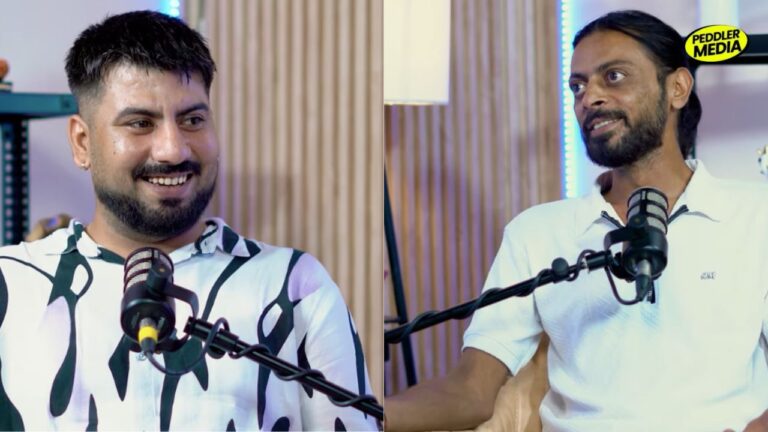
Sunil Balhara on Haryanvi Music Industry and Studio Culture
From learning music with limited resources to building his own studio in Hisar, singer, music producer and director Sunil Balhara opens up about the struggle, creativity and reality behind Haryana’s growing music industry.
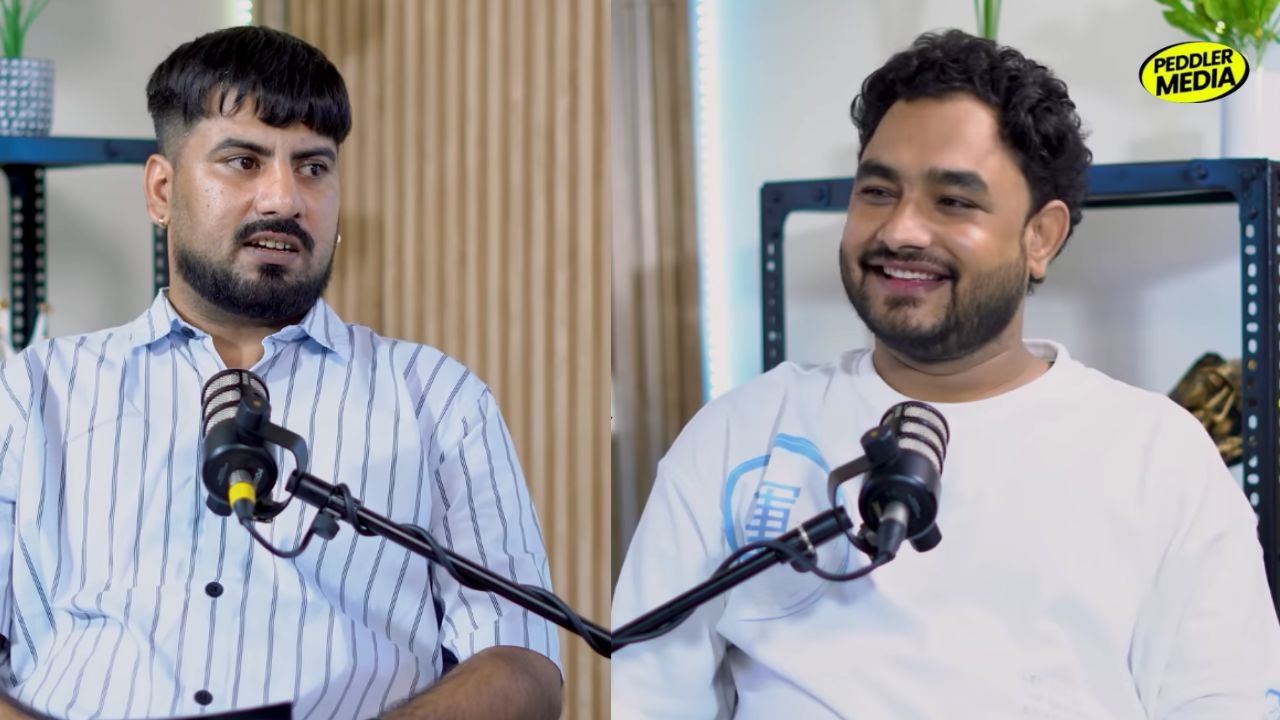
Haryanvi music industry is often seen through its singers, viral songs and music videos. But behind every successful track is a team of musicians, producers, composers, engineers and creators whose work rarely gets the same attention.
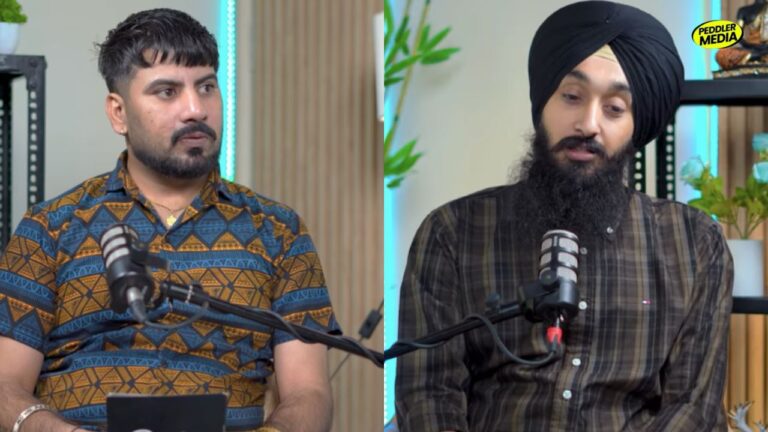
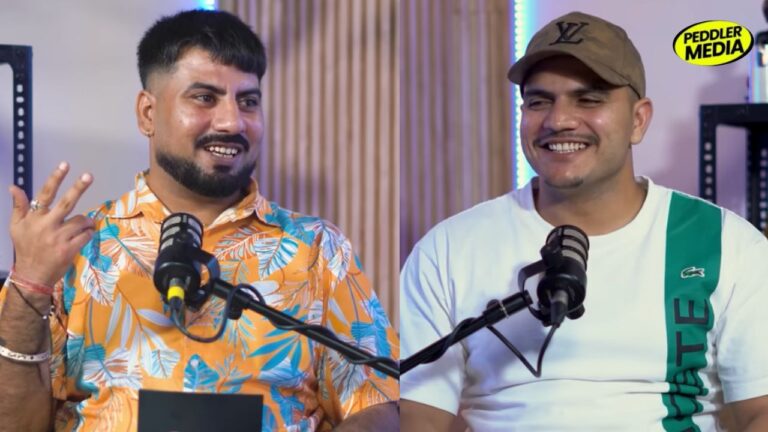
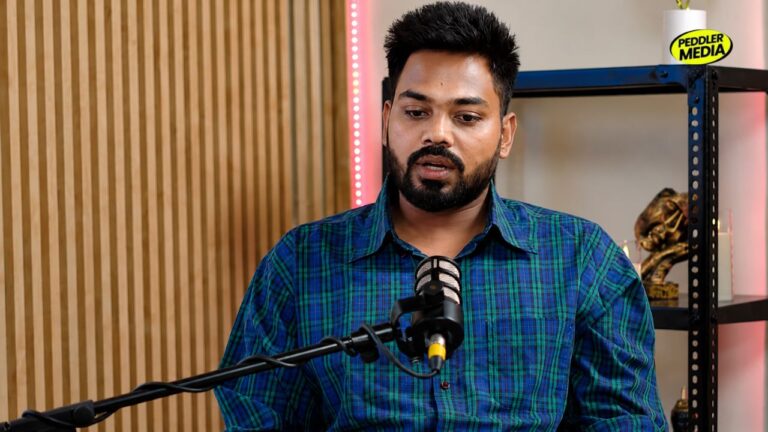
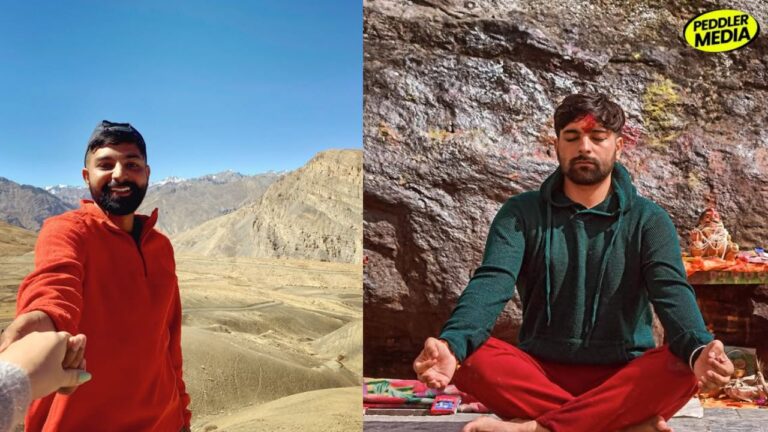
In a recent conversation with Peddler Media, singer, music producer and director Sunil Balhara spoke openly about that world — from his early struggles and family support to studio culture, creative freedom, folk music and the challenges faced by artists working behind the scenes.
Balhara currently works from his studio in Hisar, choosing to build his work from the place where he was born rather than moving completely to bigger music hubs.
Sunil Balhara From a Struggling Musician to a Producer
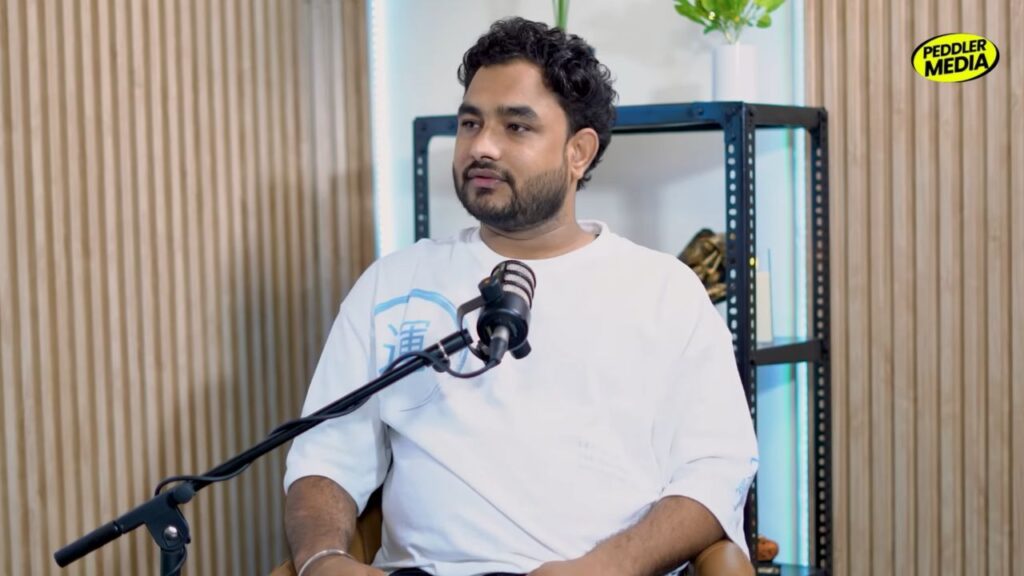
Balhara’s journey into music production was not planned from the beginning. He initially wanted to become a singer. His interest in music production developed gradually as he realised that if he wanted a particular sound, he needed to understand how to create it himself.
He recalled his college days, when performances by singers made him curious about the music playing behind the vocals. He began experimenting with whatever resources were available to him, including using a laptop and headphones to understand music and vocals.
One of the biggest turning points came when he accompanied a friend to a recording session. What started as helping someone else with a recording eventually opened the door for Balhara himself to work in a studio.
Read More On Peddler Media
- Everything You Need To Know About Diljit’s Aura India Tour 2026
- This Panchkula vendor is selling India’s most unique pineapple burger since 2015
- These 7 Pro Products You Must Add For Your Content Journey
His early years were about learning by doing. He says the biggest lesson from that period was simple: he never stopped working.
People came and went, projects changed and circumstances were difficult, but he continued making music. That constant work eventually helped him develop his own understanding of sound and production.
“I Wanted to Be a Singer”
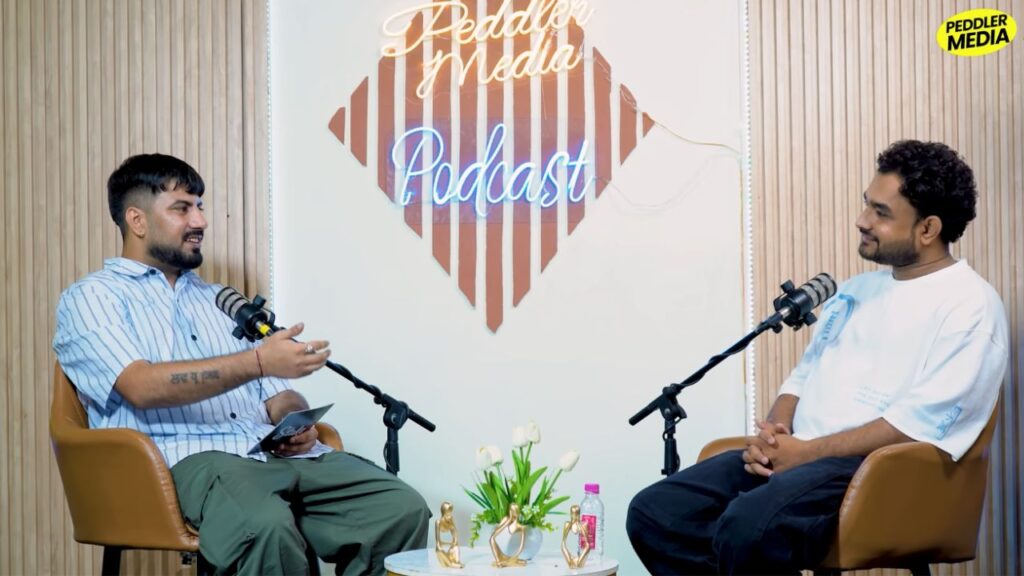
Balhara admits that becoming a music producer was not the original plan. He wanted to be a singer, but as he continued working with music, production became a natural part of his journey. At one point, he felt stuck between going back and moving forward. But by then, he had understood the process of making music.
That understanding became his strength. Instead of seeing other artists and producers only as competition, Balhara says he tries to learn from them. For him, every person and every sound can offer something new. That mindset also shapes the way he approaches music production.
According to Balhara, a producer should not enter the creative process with everything already fixed in their head. If the producer decides beforehand exactly what a song must sound like, the creative possibilities become limited.
Also Read:- Meet 5 Haryanvi Creators Before They Get Famous
The Reality of “Studio Gang Culture”
One of the more direct parts of the conversation was Balhara’s discussion of what he describes as “studio gang culture.”
According to him, groups can form within the music industry, with certain artists or creators being favoured while others may be deliberately ignored.
He believes this can affect the creative process itself. If a producer starts working on a song while already thinking about which artist they do or do not want to work with, the music can suffer.
Balhara also spoke about credit. He said there have been occasions when music he worked on became popular but his contribution was not properly recognised.
His approach today is more professional. He says credits and responsibilities should be discussed clearly before the work begins rather than becoming an argument after a song succeeds.
What Actually Makes a Song Go Viral?
Who decides whether a song will become a hit? Balhara’s answer is straightforward: ultimately, the public does.
Promotion can push a song, but he believes the content itself needs to have strength. A song cannot depend entirely on promotion if the music does not connect with listeners.
For him, the producer’s job is not to predict virality but to make the strongest piece of music possible.
Watch Now:- Sunil Balhara: Music Producer Journey, Industry Growth & Career Tips
Folk Music Is More Than a DJ Beat
Balhara also offered his perspective on the changing meaning of folk music in Haryana. He believes Haryanvi folk should not simply be reduced to a particular DJ sound. Traditional instruments and sounds can be combined with modern production to create something cinematic without losing the character of the original culture.
He mentioned instruments such as tarang, matka and khartal, explaining that bringing these traditional elements together can take considerably more time than producing a straightforward modern track.
For Balhara, that process is important because modern production does not necessarily mean abandoning traditional sounds.
Why He Is So Particular About Singers
One thing becomes clear throughout the conversation: Balhara is extremely particular about vocals.
He says that if a singer delivers a performance properly, the production process can become much easier. But when the vocals are not right, even a technically strong production cannot completely solve the problem.
He believes singers need to spend enough time getting the performance right before moving into mixing and mastering. That is also why he says he has become more selective about the artists he works with.
He is willing to work with newcomers who genuinely want to learn, but he looks for patience, willingness to improve and an ability to take feedback.
Read More Here
- Everything You Need To Know About Diljit’s Aura India Tour 2026

- This Panchkula vendor is selling India’s most unique pineapple burger since 2015
- These 7 Pro Products You Must Add For Your Content Journey



Family Support Came Slowly
Like many people entering unconventional careers, Balhara did not initially receive unquestioned support from his family. At the beginning, his family worried that music might waste his time or lead him into an unstable career.
But as they began to see his commitment, their attitude changed. Balhara says his family eventually gave him an important kind of support: they stopped trying to control his career and allowed him to continue doing what he believed in.
For someone whose work often involves unpredictable schedules, late nights and long studio sessions, that trust became an important part of his journey.
The Man Behind the Music
Perhaps the biggest takeaway from Balhara’s conversation is that the music industry looks very different from behind the studio door. There are no fixed schedules, no guaranteed hits and no simple formula for success.
There is experimentation, rejection, long sessions, technical learning, creative disagreements and sometimes a lack of recognition.
Yet Balhara continues to work from Hisar, building his sound while remaining connected to the local ecosystem.
His story is ultimately less about overnight success and more about staying with the work long enough to understand it.
For a music industry increasingly driven by viral reels and quick hits, Balhara’s perspective offers a reminder that behind those few seconds of music are years of experimentation, learning and people whose names may never appear on the screen.
Watch the full conversation with Sunil Balhara on Peddler Media’s YouTube Channel.
Follow Peddler Media For More Updates | Instagram | Facebook | Youtube | Pinterest