Click Here and Add Peddler Media As a Preferred Source On Google

Inside This Haryana Village Where Turtles Are Treated Like Family Elders!
Imagine a village where young men patrol a 5-acre pond at night and 100-year-old turtles are treated like family elders. Welcome to Kajalheri, Haryana's secret 200-year-old sanctuary where nature conservation is a beautiful way of life.
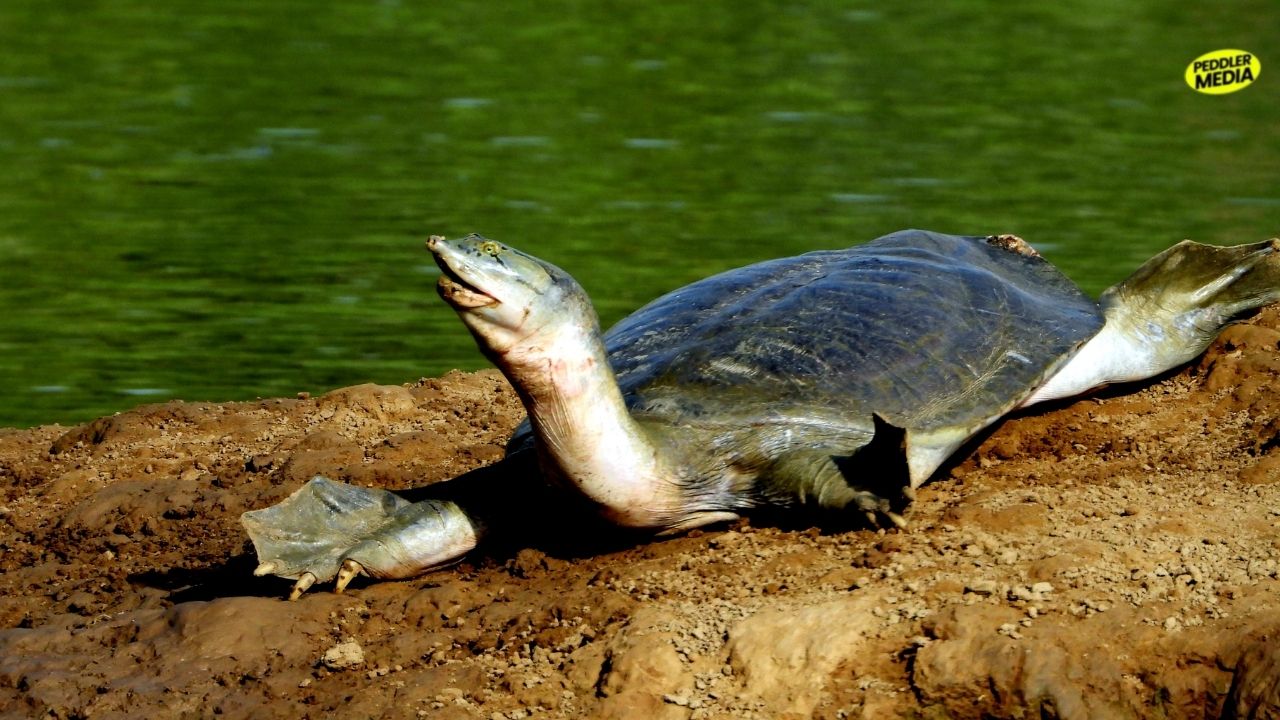
Imagine a tiny village in Haryana where young men don’t guard houses at night—they guard turtles. Where an 8-year-old kid doesn’t want a new smartphone, he wants to become a protector of the village pond.

This is Kajalheri village in Fatehabad. For 200 years, the people here have protected a 5-acre pond and the turtles living in it. For them, these turtles are not wild animals. They are family.
Why Are These Turtles So Important?
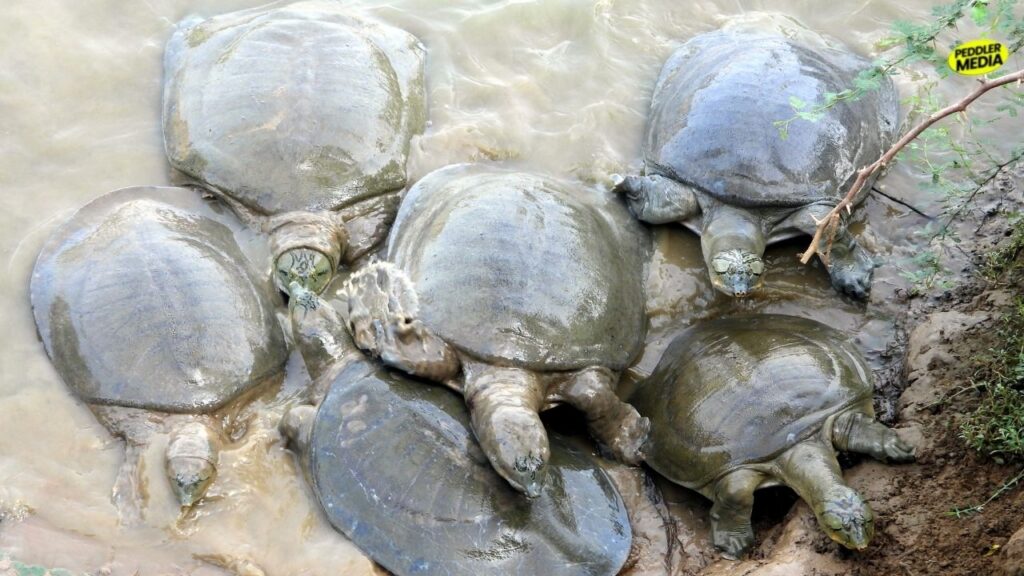
The turtles are Indian softshell turtles, also known as Ganges softshell turtles. They are endangered and protected under Schedule I of the Wildlife (Protection) Act, 1972. Poaching and habitat loss are among their major threats. But in Kajalheri, the biggest protection comes from the villagers themselves. They do not farm or sell the turtles. Instead, they feed them, protect them and make sure outsiders do not harm them.
When the sun goes down, the pond becomes quiet. But some young men from the village begin their duty. They patrol the pond at night with torches and sticks because poachers may target turtles for meat, shells, traditional medicine or the exotic pet trade. village has also used social pressure against people who violate its rules. For generations, protecting the turtles has become a community responsibility.
When The Pond Started Drying
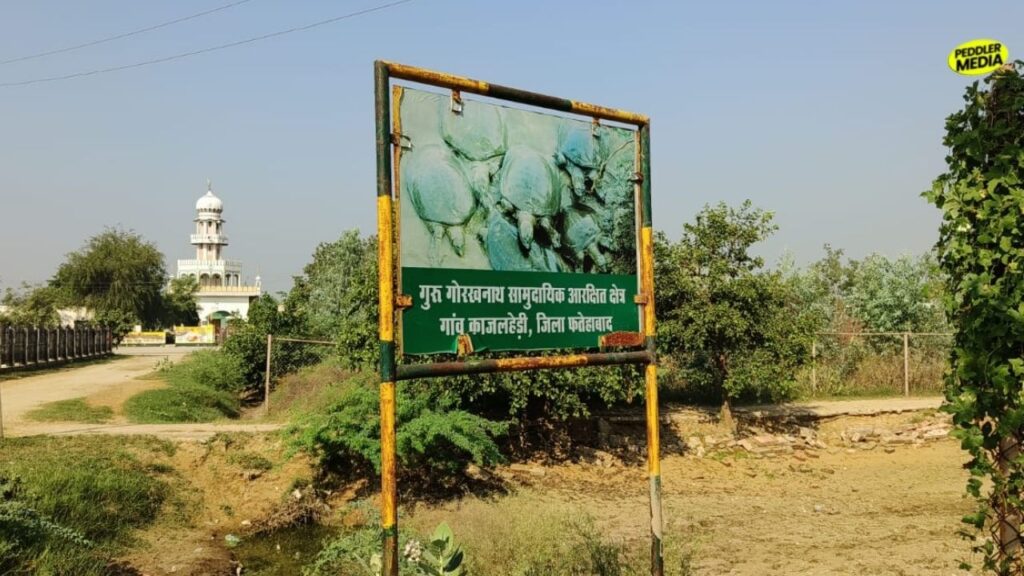
Kajalheri is a Bishnoi-dominated village. Bishnoi community is known for its strong tradition of protecting nature and wildlife, rooted in the teachings of Guru Jambheshwar. In Kajalheri, that belief has become part of everyday life. Villagers see protecting the turtles as protecting their own identity. and that attitude has helped preserve both the turtles and the pond for generations.
The village has faced serious challenges too. During a severe drought in the late 1970s, the pond began drying up. Instead of waiting for outside help, villagers pooled their own money and deepened the pond. During monsoon floods, turtles sometimes leave the pond and enter nearby fields. Villagers find them and bring them safely back. For them, these small acts are simply part of village life.
Child Who Wants To Protect Kajalheri Matters
Across Haryana, many village ponds have dried up, been encroached upon or turned into dumping grounds. Kajalheri offers a very different picture. Its pond survived because the community treated conservation as a responsibility rather than a government project. village shows that protecting nature does not always begin with a big scheme or a large budget. Sometimes, it begins with people deciding that something belongs to everyone—and everyone must protect it.

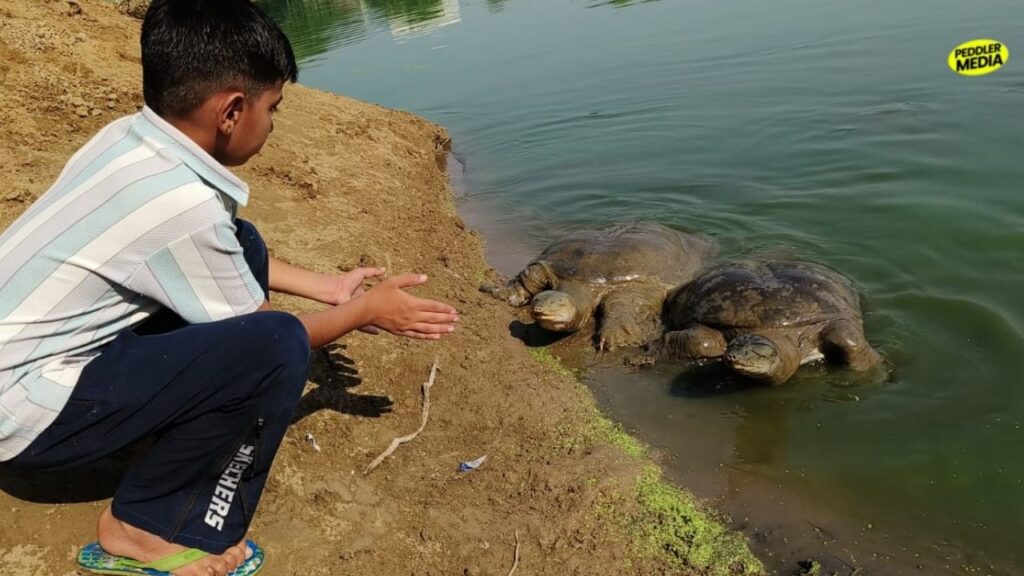
Powerful part of Kajalheri’s story is its youngest generation. eight-year-old Vinod visits the pond and feeds the turtles with the village women. When asked what he wants to do when he grows up, his answer is simple: He wants to become their protector. and that may be the real secret behind Kajalheri. The turtles survived for generations because the village didn’t just protect them. It taught its children to care for them.
Turtles Pond That Brings Everyone Together
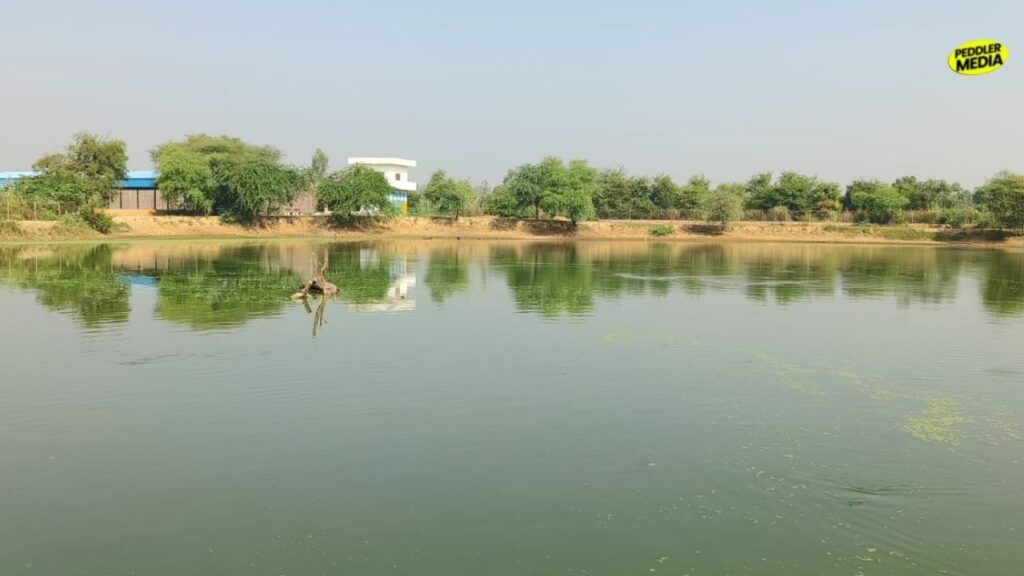
The pond is also a social space. Women participate in feeding the turtles, young people help guard the pond and children grow up watching the tradition. Villagers say caste differences disappear around the pond, where everyone comes together. One generation teaches the next that the turtles are not something to be exploited. They are something to be protected.
Do you have an inspiring story to tell, or do you know someone whose journey deserves to be featured? Click on ‘Submit a Tip’ and share it with Peddler Media today!
Follow Peddler Media For More Updates | Instagram | Facebook | Youtube | Pinterest