
These Haryana Women Turned Waste Into ₹8 Crore Business empire!
Two women from Ghoranwali, Sirsa, turned crop waste into a successful business under the AIF scheme. Read how Sanjana and Sonika built an ₹8 crore turnover company from parali.
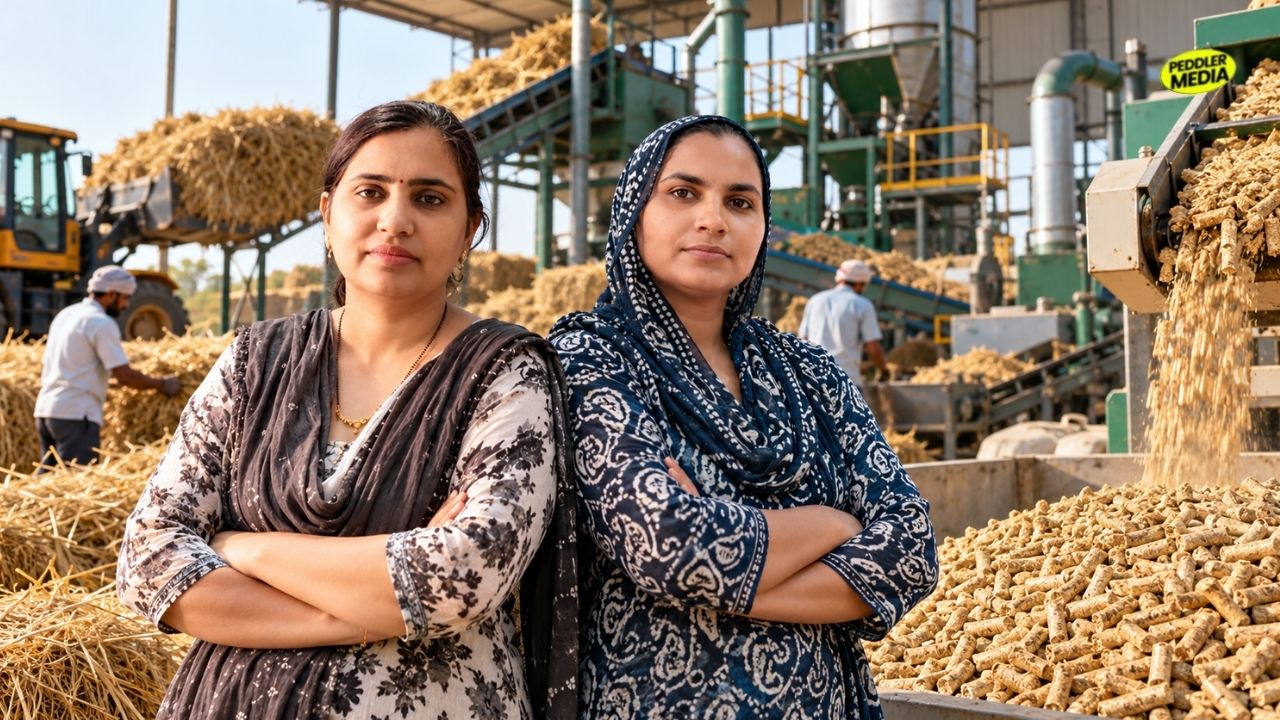
Let me tell you a great story about two Haryana women who did something amazing. Every year when winter comes, North India faces a huge problem. Fields get covered in thick smoke because farmers burn Parali (paddy stubble) after harvest. Everyone looks at this crop waste as a headache and a big cause of pollution.

But two women from a small village in Sirsa decided to look at this smoke in a completely different way. Where others saw useless garbage, they saw a chance to make money. They started collecting the stubble and turning it into fuel blocks. Today, this simple idea has grown into a big business making ₹7–8 crore a year.
Who are Sanjana and Sonika?
Sanjana is a graduate from Sirsa in Haryana, and her close friend Sonika comes from Bhadra in neighbouring Rajasthan. They are not from rich business families. They did not study in big city schools. They are just regular village people who saw how much local farmers struggle every year during harvest time.
The idea came directly to Sonika after witnessing the thick smoke that covered the sky every single season. She was deeply concerned about how stubble burning hurts the environment and public health. Together, the two friends decided to find a productive way to use crop residue, aiming to protect the environment while building a viable company.
Usually, when women start a business in small towns, people think they will only do small things at home like stitching clothes or making pickles. But Sanjana and Sonika changed this old thinking completely. They chose a very tough line of work. They started running a big factory, managing workers, and selling goods to large companies. Today, their story is a famous Haryana women success story, proving that women can run heavy factories just like anyone else
How Haryana Women built there factory
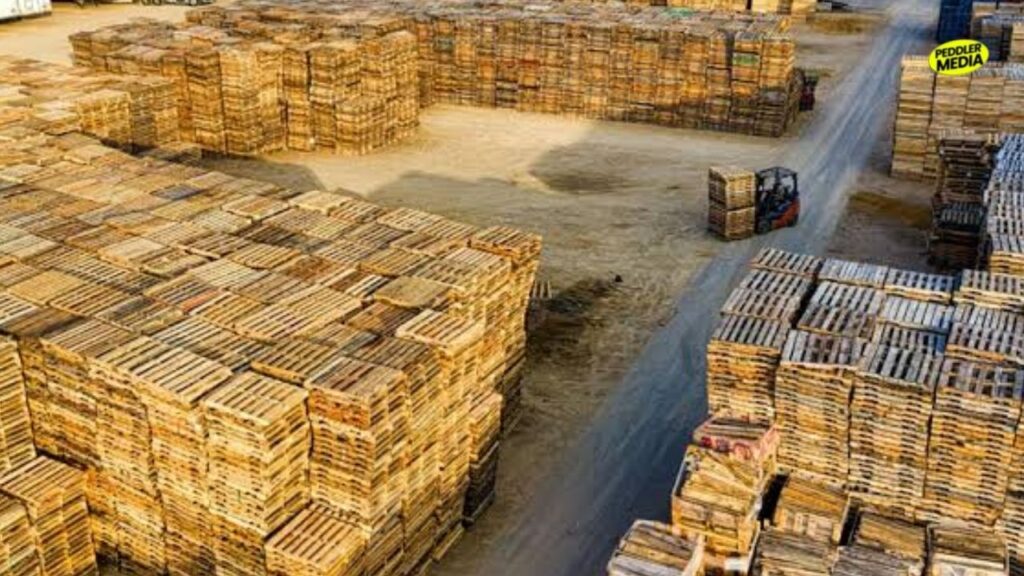
Sanjana and Sonika officially started working in 2024. Setting it up was a very big job that required a total investment of around ₹2.5 crore under the government’s Agriculture Infrastructure Fund (AIF) scheme. Government policies and efforts to promote stubble management also helped them move forward smoothly.
Their daily work runs on a simple three-step system where they coordinate with local baler operators to collect loose straw from different fields. They bring this stored crop residue straight to their factory in Ghoranwali village, where machines process it into hard fuel blocks. The operation uses around 1 lakh to 1.5 lakh quintals of paddy stubble every single year.

This massive amount of raw material is collected during the harvesting season and stored carefully. This storage plan ensures that the factory has enough straw to keep production running smoothly throughout the whole year. Today, this setup helps them make ₹7-8 crore a year while giving steady jobs to over 20 village youth.
Also Read:- This Panchkula vendor is selling India’s most unique pineapple burger since 2015
Haryana Women Turning Dry Garbage Into Eco-Friendly
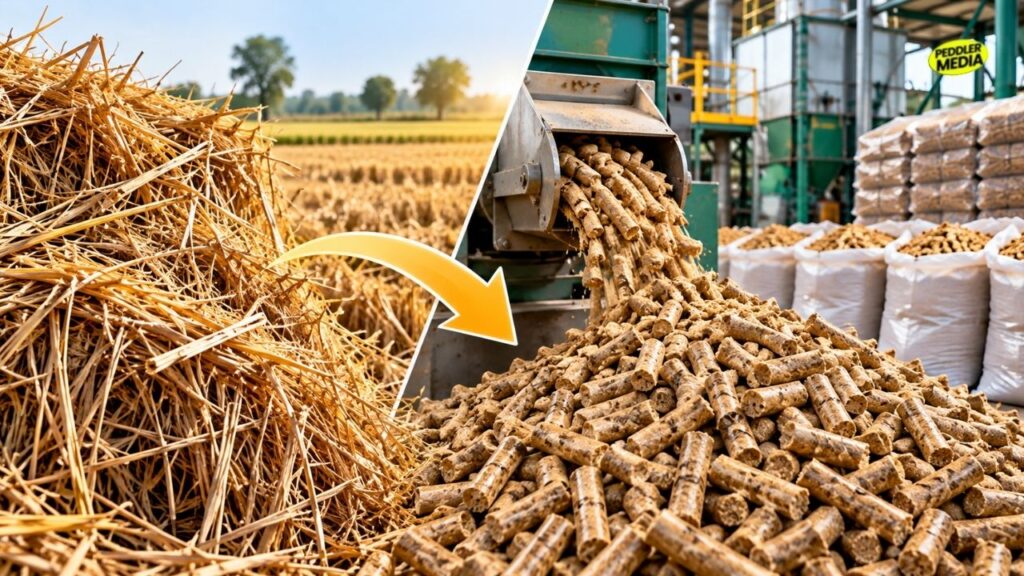
Their factory takes dry, loose paddy straw and turns it into hard, tight blocks called bio-fuel pellets. Inside the factory, big machines crush the straw and press it together very hard until it looks like small wooden logs. Large factories and power plants buy these blocks directly to burn them instead of normal coal.
This simple idea fixes two huge problems at the same time. First, it stops farmers from burning crop waste, which immediately cleans the air during winter. Second, big companies get a cheaper, eco-friendly fuel and reduce bad smoke.
It also brings a lot of money into the local village economy. Farmers get their fields cleaned completely free of cost without paying for extra labor or worrying about government fines. At the same time, local village boys get steady, good jobs inside the factory. This Haryana women story proves that true innovation can start right inside a small village field using everyday farm waste.
Also Read:- Meet Dr Sonia Dahiya: “Mushroom Lady of Haryana”
Reality of Rural Wealth Today
Right now, the factory is working non-stop because the seasonal demand for bio-fuel pellets is peaking across India. Sanjana and Sonika stay on their toes daily, managing bulk orders, truck schedules, and factory production. Their local brand has become a trusted name for alternative energy suppliers.
They are easily hitting their yearly target turnover of ₹7–8 crore. But for both founders, the real victory is seeing other young rural minds visit their plant to learn the business model.
Biggest lesson from their success is clear: You do not need to invent something completely brand new to start a successful business. You just need to look at an old, exhausting problem with a fresh set of eyes.
Next time you see parali smoke on your feed, don’t just scroll past—remember that someone made a ₹8 crore empire out of that exact same waste!
Do you have an inspiring story to tell, or do you know someone whose journey deserves to be featured? Click on ‘Submit a Tip’ and share it with Peddler Media today!
(Disclaimer: This story has been created for Peddler Media’s ‘Spotlight’ section based on facts, data, and information available on the internet.)
Follow Peddler Media For More Updates | Instagram | Facebook | Youtube | Pinterest