
Hunger Strikes, Funeral Pyres, Burning Forests — India Is Protesting on 3 Fronts Right Now
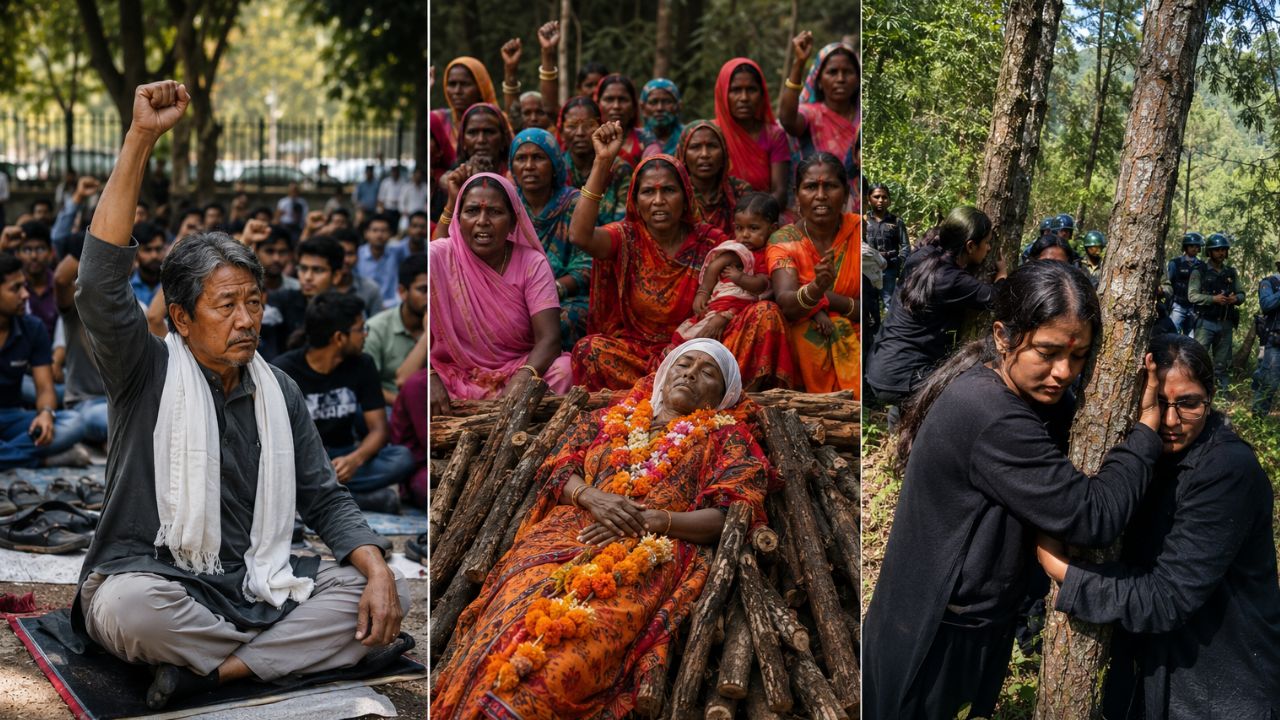
3 Major Protests happening in India right now, and each one is telling something different about the system. A hunger strike at Jantar Mantar Delhi, tribal families on funeral pyres in Madhya Pradesh, and a forest fight in Uttarakhand that actually made government pause.
Three states, three causes, one same demand — government needs to listen before things get bigger.
3 Major Protests Demanding Accountability From Government
Three different states, three different causes, but one same demand running through all of them — the government needs to start listening and show real accountability. Together, these 3 Major Protests are painting a bigger picture of a country demanding to be heard.
Why is Sonam Wangchuk on hunger strike in Delhi?

At Jantar Mantar in New Delhi, climate activist Sonam Wangchuk and youth groups from the Cockroach Janta Party are running a prolonged hunger strike. The protest began over repeated NEET 2026 paper leaks and has grown into a wider demand for systemic exam reform and government accountability.
Wangchuk’s involvement changed the scale of this protest overnight. He is not just a student ally, he is one of India’s most recognised education and climate voices, and his hunger strike has pulled national attention onto an issue that usually fades after one news cycle.
Also Read:- When Bollywood Chose Silence, This Haryanvi Artist Support Sonam Wangchuk and Stood for Truth
What is the Ken-Betwa Chita Andolan protest?
In the Chhatarpur and Panna districts of Madhya Pradesh, tribal villagers are protesting the Ken-Betwa river-linking project through a movement called “Chita Andolan,” or funeral pyre protest.
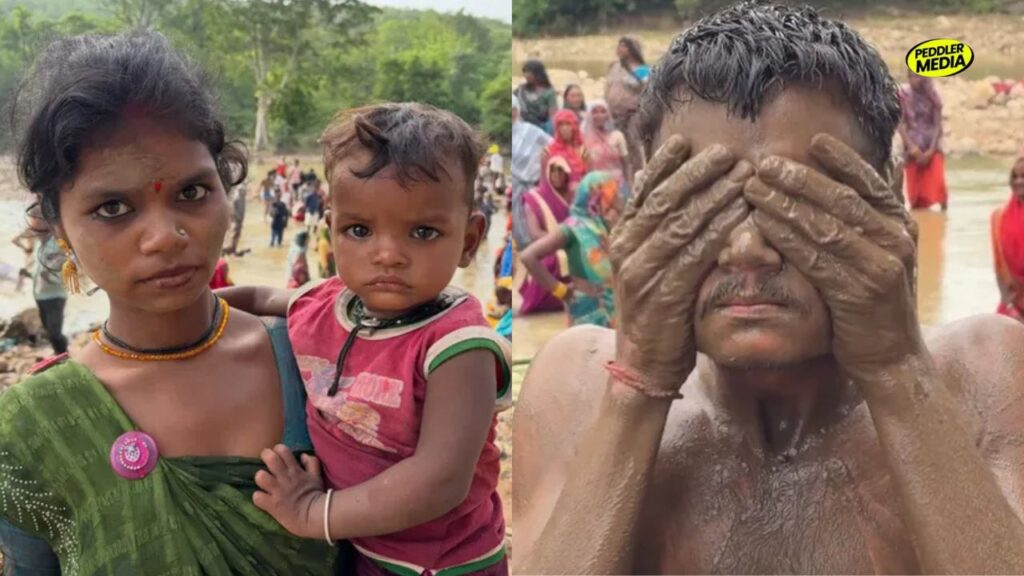
Families have laid on mock funeral pyres for over a week, saying displacement without proper compensation feels the same as death for their community. Tribal women, some carrying infants, occupied mock pyres to protest the construction of the Daudhan Dam. Their core demands are inadequate rehabilitation, unclear compensation, and growing ecological damage to the region.
The state government has offered an extra rehabilitation package, but protesters say it does not address their real fears, and the agitation continues.
Also Read:- Journalist Mandeep Punia Speaks Straight — On Media, Gangsters, and Haryana’s Reality
What is the Black Harela Protest in Uttarakhand?
The most dramatic environmental standoff of the three is unfolding in Dehradun. The National Highways Authority of India planned to fell 4,369 trees at “Saat Mod,” on the Bhaniyawala–Jolly Grant–Rishikesh highway-widening stretch, with 754 trees to be transplanted and 3,605 to be cut for a Rs 743 crore project.
The forest sits inside a sensitive Shivalik stretch that forms an elephant corridor linked to Rajaji National Park. Locals warned that once this corridor is broken, it cannot be rebuilt, and centuries-old sal trees cannot simply be replaced by fresh saplings.
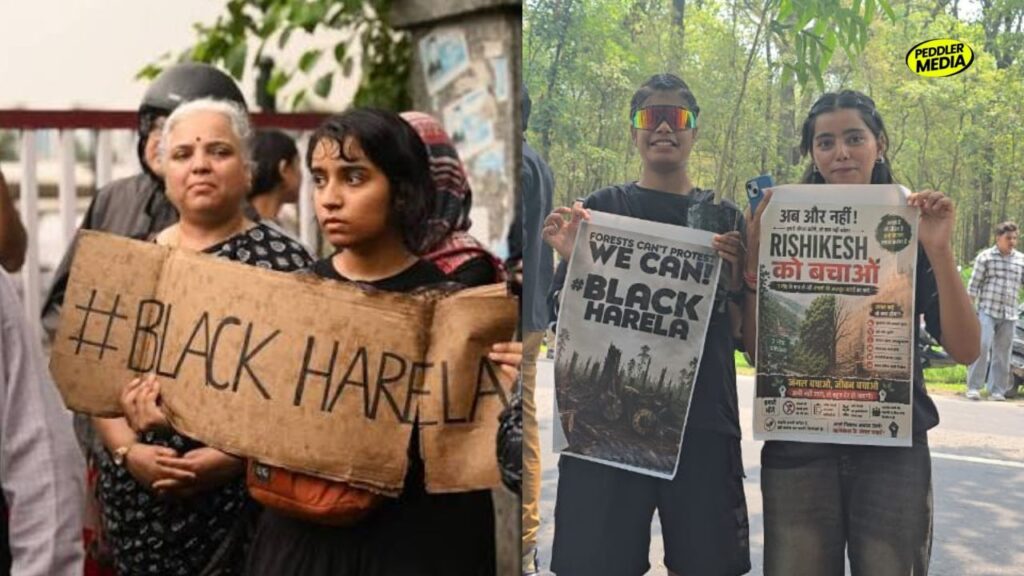
The protest turned symbolic on July 15, when environmental groups called on people across Uttarakhand to observe ‘Kala Harela,’ or Black Harela, transforming the state’s traditional Harela festival, which celebrates nature and tree planting, into a day of protest. Protesters wore black, gathered near the forest, and argued it was contradictory to celebrate greenery while mature trees were being cut down nearby.
The pressure worked, at least for now. Uttarakhand Chief Minister Pushkar Singh Dhami halted tree-felling at the Saat Mod forest stretch, saying no work will proceed until a consensus is reached with all stakeholders. This is one of the rare recent cases where public protest forced an immediate government pause, and it is exactly the kind of accountability the other two movements are still fighting for.
Also Read:- This Village In Haryana Is Forced To Drink Dirty Water
Why Government Should Act On All Three
Three different regions, three different grounds, one identical message. Students want honesty in exams. Tribal families want fair compensation for their land. Citizens and environmentalists want their forests protected, not traded for concrete.
Peddler Media’s take is simple. Uttarakhand’s tree-felling pause proves that when the government listens early, it can defuse a crisis before it grows. Delhi and Chhatarpur are still waiting for that same response.
History Repeats If The Government Stays Silent
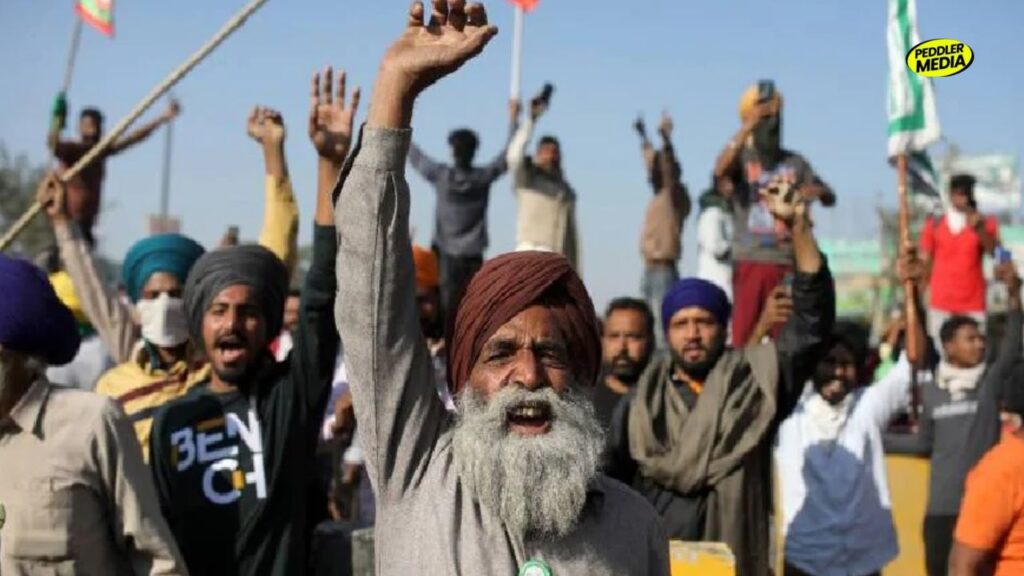
India has seen this pattern before. In 2020, the government ignored farmer protests against the new farm laws for months. What started as a regional protest grew into a year-long movement that shut down highways around Delhi and eventually forced a full repeal of the laws in 2021.
The lesson is simple. Small protests do not stay small when nobody listens. They grow, they attract more groups, and they end up costing the government far more than an early conversation would have.
Our’s opinion
We have said it before and we will say it again. Uttarakhand’s tree-felling pause is proof that early listening works. Delhi and Chhatarpur are proof of what happens when it does not.
Also Read:- Diana Pundole Becomes First Indian Woman To Race A Ferrari Internationally
Students are not asking for favours, they are asking for honest exams. Tribal families are not asking for charity, they are asking for their land and dignity. Neither demand is unreasonable, and neither should need a hunger strike or a funeral pyre to be heard.
What do you think? Should the government step in now, or should these movements grow the way the 2020 farmer protest did before anyone listened? Tell us in the comments.
Peddler Media covers pop culture, entertainment, and the stories that actually deserve more attention. If we wrote about it, it probably made us feel something. Got a tip, a story, or something the internet needs to know about? Tell Us Here
Follow Peddler Media For More Updates | Instagram | Facebook | Youtube | Pinterest